
Three ways organizations are taking real climate action
SDG 13 aims to take urgent action to combat climate change and its impacts, by 2030. Looking across 4,757 real projects tracked on this platform, three distinct approaches keep recurring.
Climate action isn’t one lever. It’s displacing fossil generation, decarbonizing the sectors that are hardest to electrify, and building the resilience to withstand the warming that’s already locked in. Looking at real organizations instead of policy language, three approaches keep showing up.
1 Displace fossil generation with something that actually competes
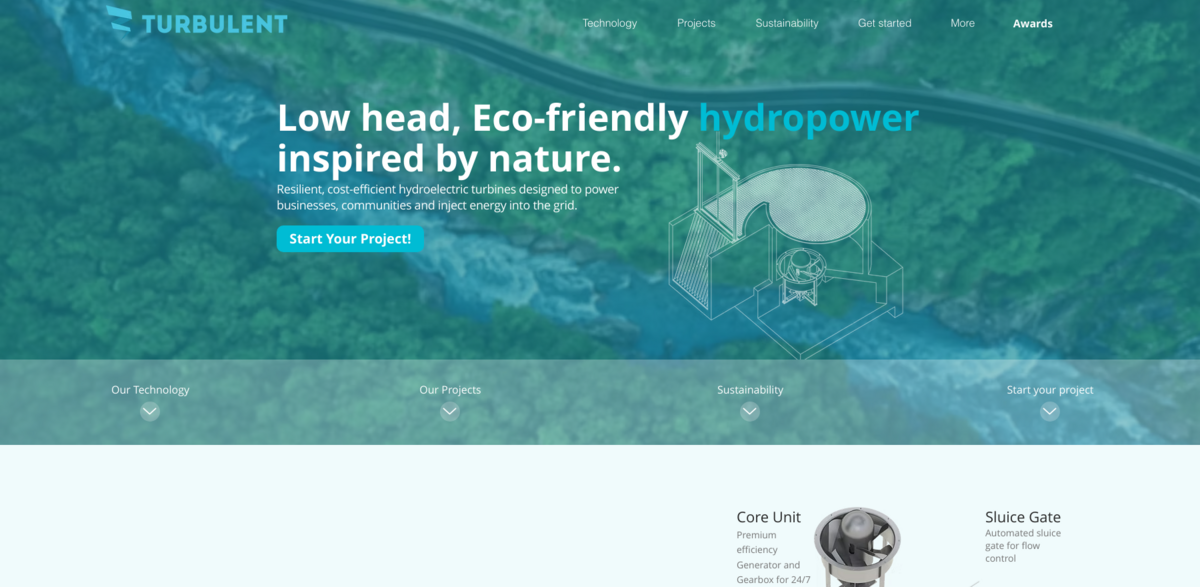
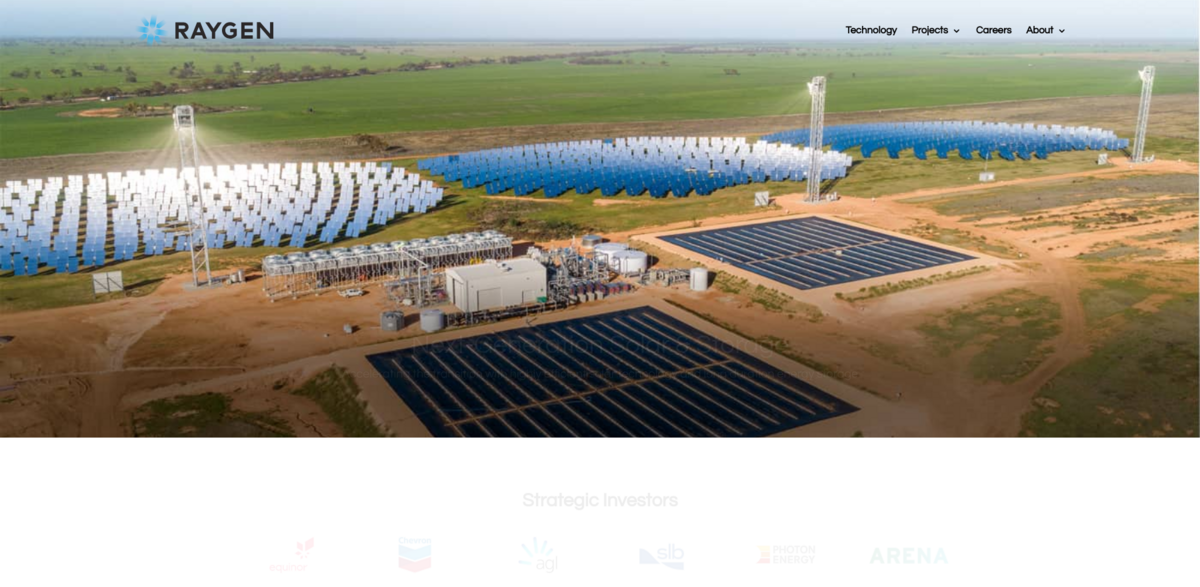
The most direct lever on emissions is generating power without carbon in the first place. But only if the alternative is genuinely competitive on cost and reliability, not just cleaner in theory. Hydroelectric and solar-storage technologies engineered to match fossil-fuel economics are what target 13.2’s push to integrate climate measures into real infrastructure planning looks like.

2 Decarbonize the sectors electrification hasn't reached yet
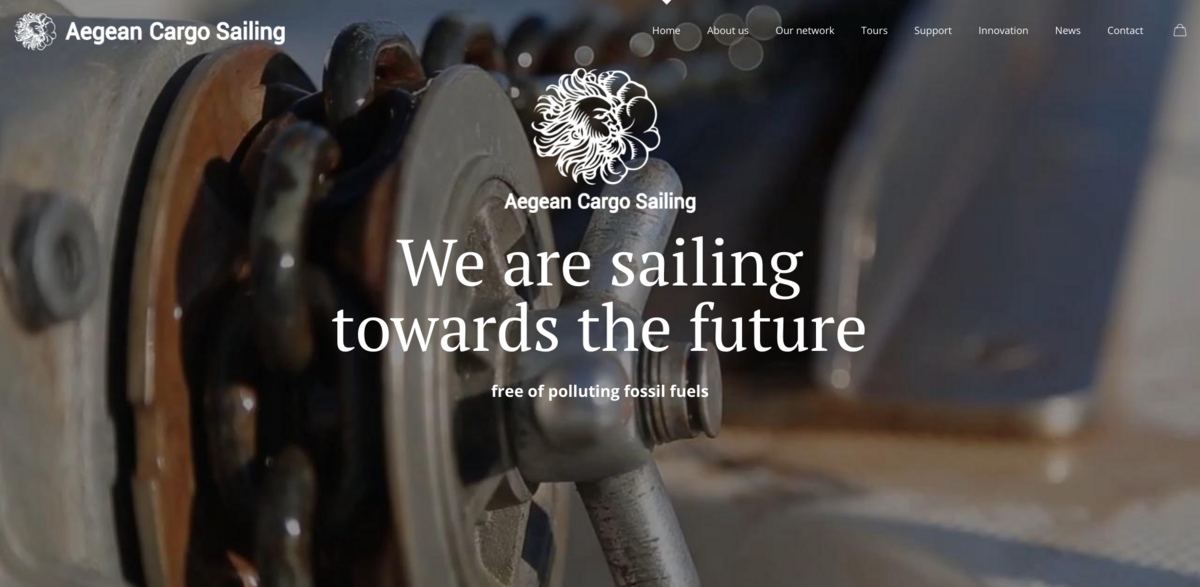
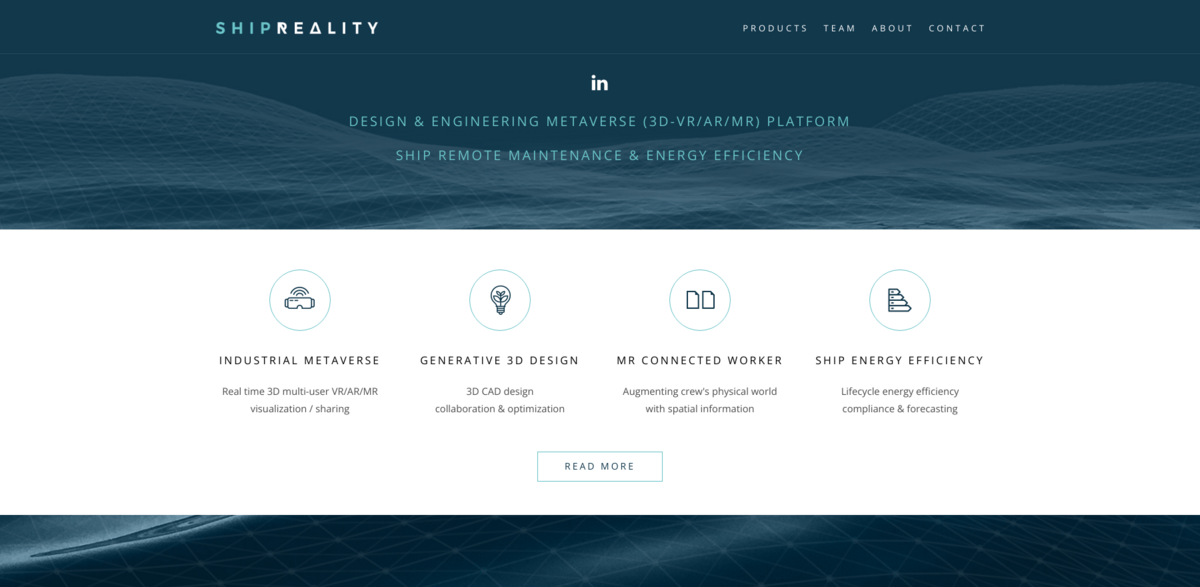
Shipping and heavy industry remain some of the hardest sectors to decarbonize. They can’t simply plug into a cleaner grid the way a home or office can. Organizations rebuilding these specific operations around wind, solar, or digital efficiency directly address a share of emissions that electrification alone can’t touch. That’s in line with target 13.2’s economy-wide scope.

3 Build resilience for the warming that's already locked in
Even in the best-case emissions scenario, some climate impact is already unavoidable. That’s why target 13.1’s resilience mandate matters as much as mitigation. Organizations building climate-adaptation capacity and research infrastructure prepare communities and institutions for the impacts that are coming regardless of how fast emissions fall.


What the UN’s own targets actually require
- 13.1 — Strengthen resilience and adaptive capacity to climate-related hazards
- 13.2 — Integrate climate change measures into national policies, strategies, and planning
- 13.3 — Improve education, awareness, and capacity on climate mitigation and adaptation
- 13.5 — Enhance developing countries' capacity to meet climate change challenges
- 13.a — Implement the commitment to the UN Framework Convention on Climate Change (UNFCCC)
Frequently asked questions about SDG 13
What is SDG 13?
SDG 13: Climate Action is the thirteenth of the United Nations’ Sustainable Development Goals under Agenda 2030. It aims to combat climate change by reducing greenhouse gas emissions and increasing global efforts to adapt to climate impacts.
Why is SDG 13 important?
Climate change affects ecosystems, human health, agriculture, and global economies. Achieving SDG 13 helps mitigate these effects, protect vulnerable communities, and ensure a stable climate for future generations.
What are the key targets of SDG 13?
Strengthening resilience to climate-related hazards; integrating climate measures into national policy; improving climate education and awareness. Also enhancing developing countries’ adaptation capacity, and implementing the UNFCCC commitment.
How does SDG 13 relate to Agenda 2030?
SDG 13 is integral to Agenda 2030. Climate change affects poverty reduction (SDG 1), clean energy (SDG 7), decent work (SDG 8), and sustainable cities (SDG 11) alike.
What are the biggest challenges to achieving SDG 13?
Continued reliance on fossil fuels, insufficient government action, and disparities in climate adaptation capacity between developed and developing countries. Also resistance to change in high-carbon industries.
How can governments help achieve SDG 13?
Governments can implement strict climate regulations, incentivize green technology, support adaptation measures, invest in renewable energy, and promote climate education.
What role do businesses play in SDG 13?
Businesses can adopt low-carbon production methods, invest in renewable energy, commit to emissions-reduction targets, and promote sustainability across supply chains. The three approaches above are what that looks like in practice.
How can individuals contribute to SDG 13?
Reduce personal carbon footprint through transport and consumption choices, and support green businesses. Also participate in environmental initiatives, and raise awareness in their communities.
How is progress on SDG 13 measured?
Progress is tracked using global greenhouse gas emissions levels and energy efficiency improvements. Also adaptation and resilience measures in vulnerable regions, and implementation of climate policy.
Can SDG 13 be achieved by 2030?
Progress is being made. But achieving SDG 13 by 2030 requires rapid acceleration in climate action, strong policy frameworks, and global cooperation to significantly cut emissions.
Related goals
Every organization above is one of 4,757 real, catalogued SDG 13 projects on this platform.
Explore the full list →Sourced from Keys for Tomorrow’s project catalog and the UN Sustainable Development Goals framework (sdgs.un.org).