Three ways organizations are closing the poverty gap
SDG 1 aims to end poverty in all its forms, everywhere, by 2030. Looking across 402 real projects tracked on this platform, three distinct approaches keep recurring.
Poverty is rarely a single problem with a single fix. It’s the goal every other goal quietly depends on. You can’t fix education, health, or climate resilience for someone who can’t afford to eat this week. Looking at real organizations instead of policy language, three approaches keep showing up.
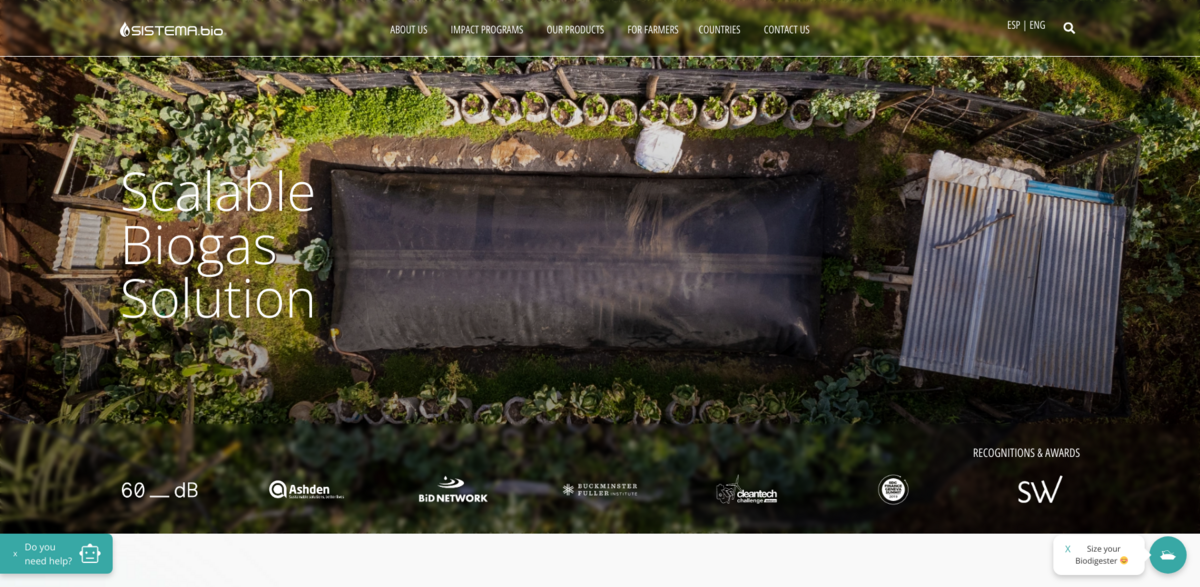
1 Fix the input, not the income
The oldest instinct in poverty work is to hand someone money or a job. A quieter, more durable approach fixes the input that’s keeping income low in the first place — energy, fertilizer, clean water — and lets income follow on its own. This maps most directly to UN targets 1.1 and 1.5. It doesn’t just move someone above the poverty line for a month; it removes a recurring cost that would otherwise pull them back down after the next bad harvest or dry season.


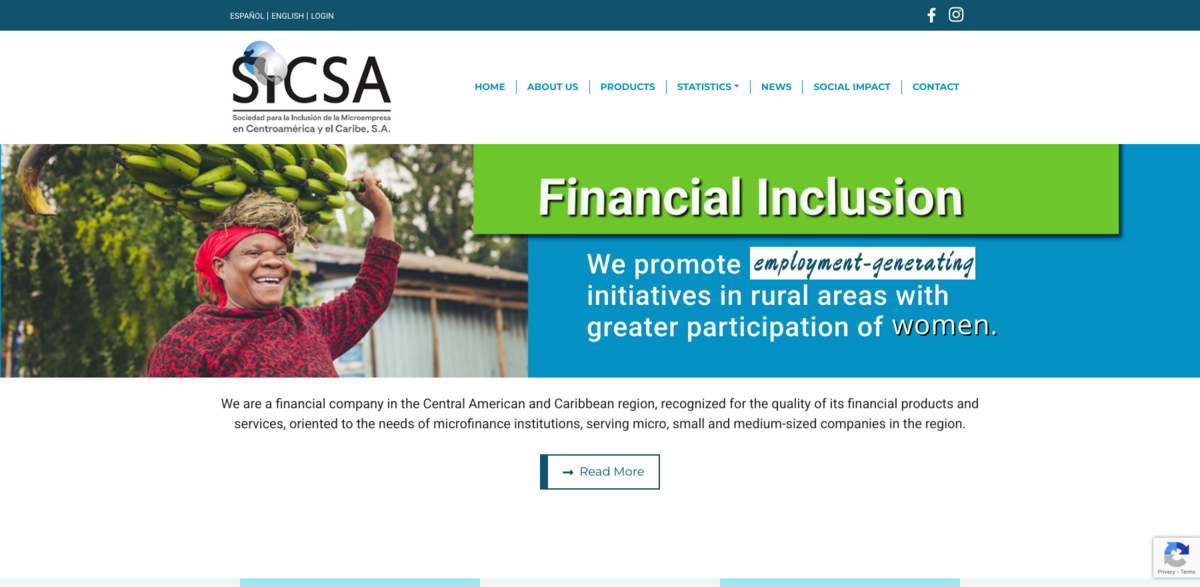
2 Build the financial plumbing that's missing
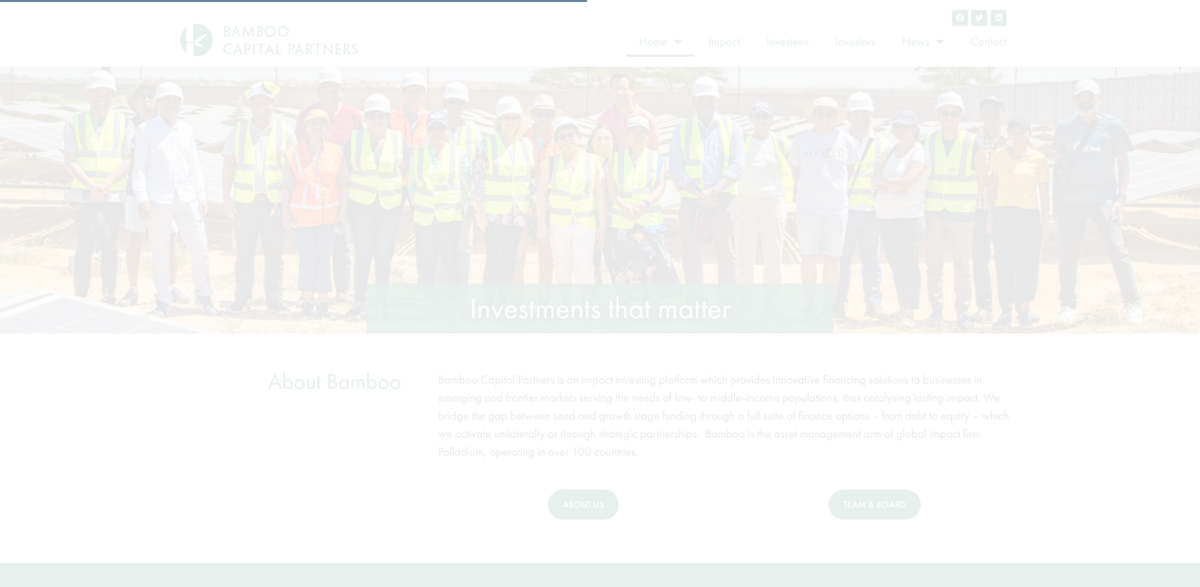
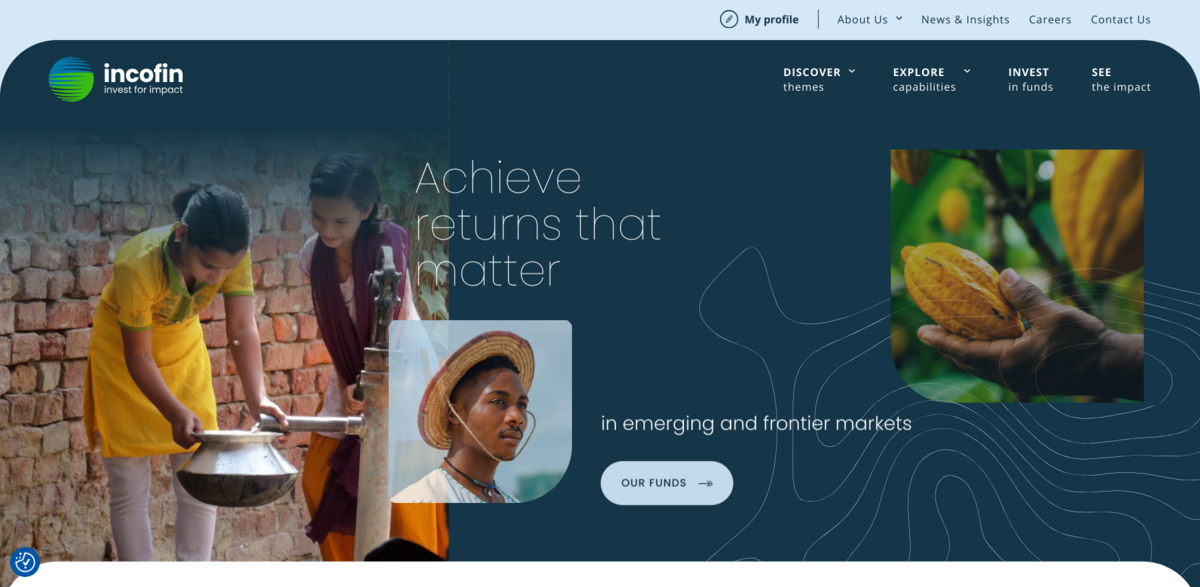
A huge share of global poverty isn’t a lack of economic activity — it’s economic activity with no formal financial system to plug into. A farmer selling produce at a local market, or a small workshop with steady orders, often can’t get a loan, insurance, or a savings account. A single bad month can undo years of progress. Microfinance and impact-investing organizations exist specifically to build that missing plumbing, directly addressing target 1.4’s call for access to economic resources and financial services, not just income itself.
3 Make the mission fund itself
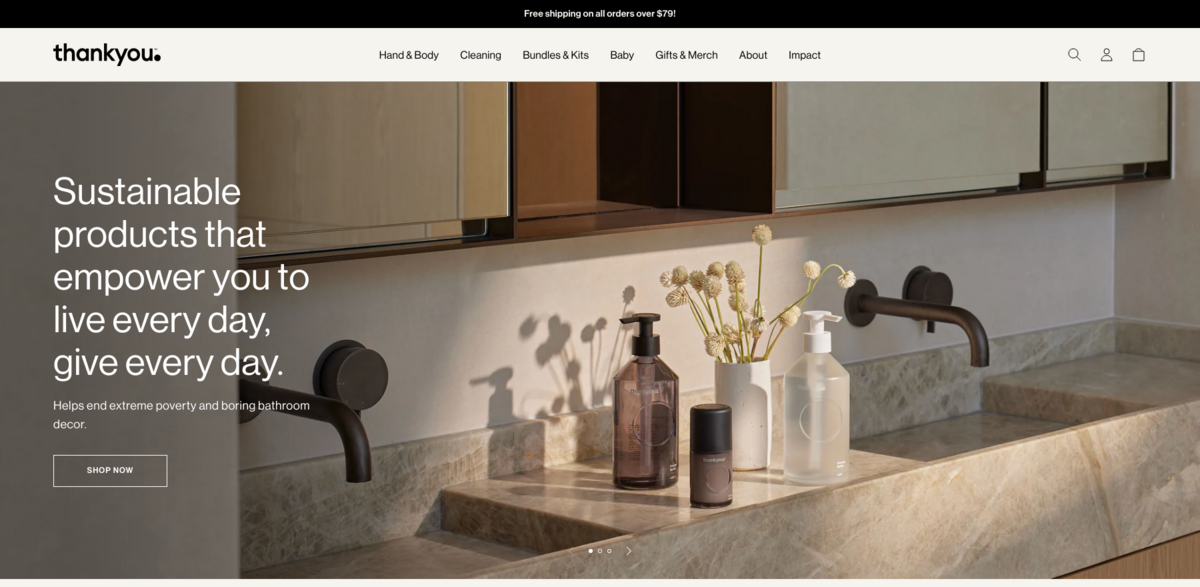
The hardest pattern to build, and the most durable once it exists: a genuinely commercial business whose ordinary operations — not a charitable side-project bolted onto a “normal” company — are the poverty intervention. These organizations have to win customers on quality and price first. The impact isn’t optional or fundable-away in a bad quarter, because it’s structurally part of how the business makes money at all. It’s also the pattern least dependent on grant cycles or donor sentiment, which matters for target 1.5’s emphasis on resilience.
What the UN’s own targets actually require
- 1.1 — Eradicate extreme poverty (under $2.15/day)
- 1.2 — Reduce poverty in all its dimensions by at least 50%
- 1.3 — Implement social protection systems for all
- 1.4 — Ensure access to economic resources, basic services, and property rights
- 1.5 — Build resilience to climate-related and economic shocks
Frequently asked questions about SDG 1
What is SDG 1?
SDG 1 is the first of the United Nations’ Sustainable Development Goals. It aims to end poverty in all its forms everywhere by 2030, as part of the broader Agenda 2030 framework.
Why is SDG 1 considered the foundation of the other 16 goals?
Poverty limits access to food, healthcare, education, and decent work simultaneously. The same underlying constraint shows up as the root cause behind gaps in nearly every other SDG. Progress on SDG 1 tends to unlock progress elsewhere; the reverse is much harder.
What are the key targets of SDG 1?
Eradicate extreme poverty (under $2.15/day), reduce poverty in all dimensions by at least 50%, and implement universal social protection. Also: ensure access to economic resources and property rights, and build resilience to climate and economic shocks.
How does SDG 1 relate to Agenda 2030?
SDG 1 is a core component of Agenda 2030, which envisions a world where no one is left behind. It’s interconnected with other SDGs, including zero hunger (SDG 2), quality education (SDG 4), and decent work (SDG 8).
What's the biggest obstacle to hitting the 2030 target?
Economic instability, climate-related disasters, conflict, and weak social protection systems compound each other. A household that recovers from one shock often has no buffer left for the next one. The UN’s own progress reports point to this compounding effect as the reason global progress has slowed since 2020.
How can governments help achieve SDG 1?
Governments can implement social safety nets, invest in education and job creation, and ensure fair wages. They can also support rural development and strengthen climate resilience to protect vulnerable populations.
What role do businesses play in achieving SDG 1?
Businesses can contribute by providing fair wages and decent work, investing in sustainable economic development, supporting social entrepreneurship, and ensuring ethical supply chains. The three approaches above are what that looks like in practice.
How can individuals contribute to SDG 1?
Support fair trade and ethical businesses, and donate to or volunteer with poverty-alleviation programs. Advocate for policies that reduce inequality, and reduce overconsumption to help balance global resource use.
How is progress on SDG 1 actually measured?
Primarily through poverty-rate tracking against the $2.15/day line, social-protection coverage rates, and resilience indicators tied to economic and climate shocks. It’s published in the UN’s annual SDG Progress Report.
Will the world achieve SDG 1 by 2030?
Progress has been made, but economic crises, pandemics, and conflict have slowed momentum. The UN says urgent, accelerated action is needed at every level to stay on track.
Related goals
Every organization above is one of 402 real, catalogued SDG 1 projects on this platform.
Explore the full list →Sourced from Keys for Tomorrow’s project catalog and the UN Sustainable Development Goals framework (sdgs.un.org).