
Three ways organizations are building more sustainable industry
SDG 9 aims to build resilient infrastructure and promote sustainable, inclusive industrialization and innovation, by 2030. Looking across 1,042 real projects tracked on this platform, three distinct approaches keep recurring.
Industry doesn’t get more sustainable by accident. It takes rethinking the process itself, connecting infrastructure that’s currently disconnected, and getting capital to the innovation that needs it to scale. Looking at real organizations instead of policy language, three approaches keep showing up.
1 Rebuild the industrial process itself
The most direct path to sustainable industry is changing what happens inside the factory or process line — turning waste streams into inputs, cutting resource use per unit of output. This maps to target 9.4’s mandate to upgrade industries for greater resource efficiency and cleaner technology. It applies at the level of the actual production process, not just its packaging.


2 Digitize the infrastructure that's still running blind
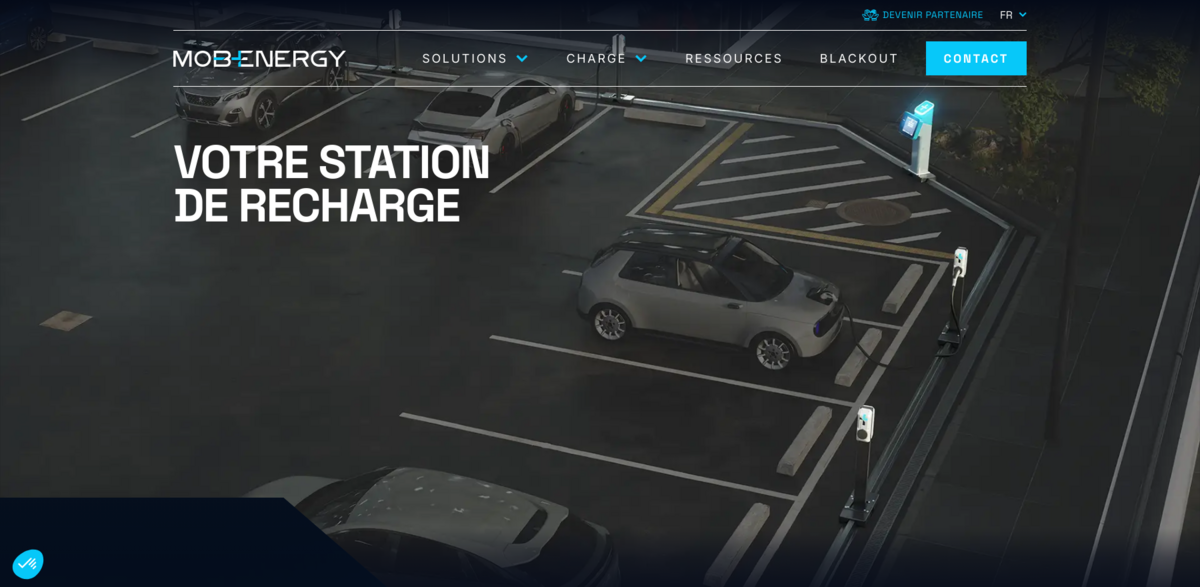
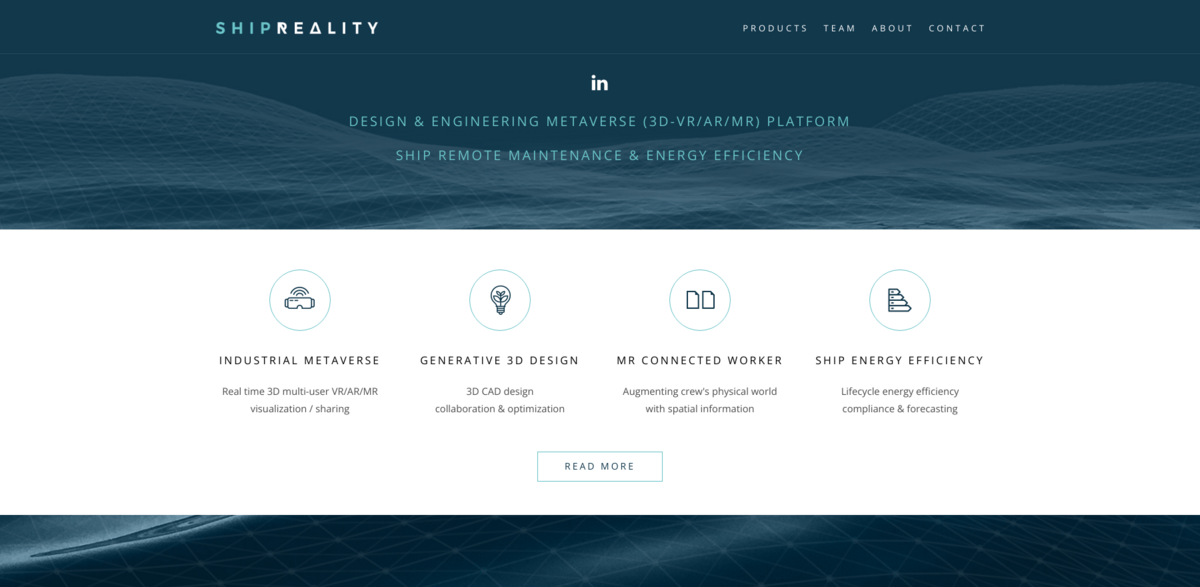
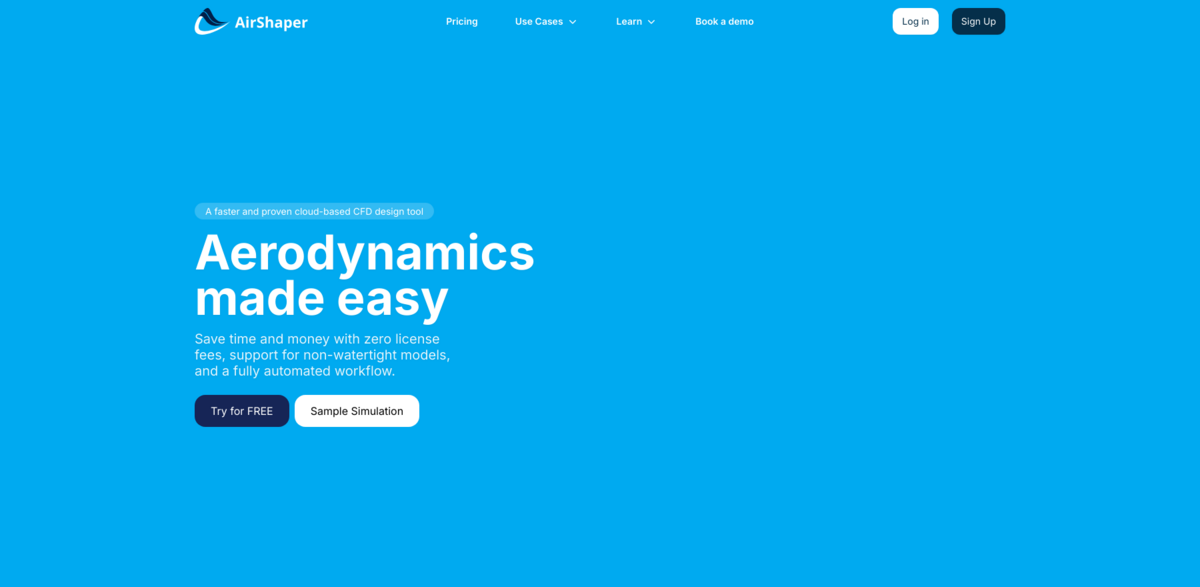
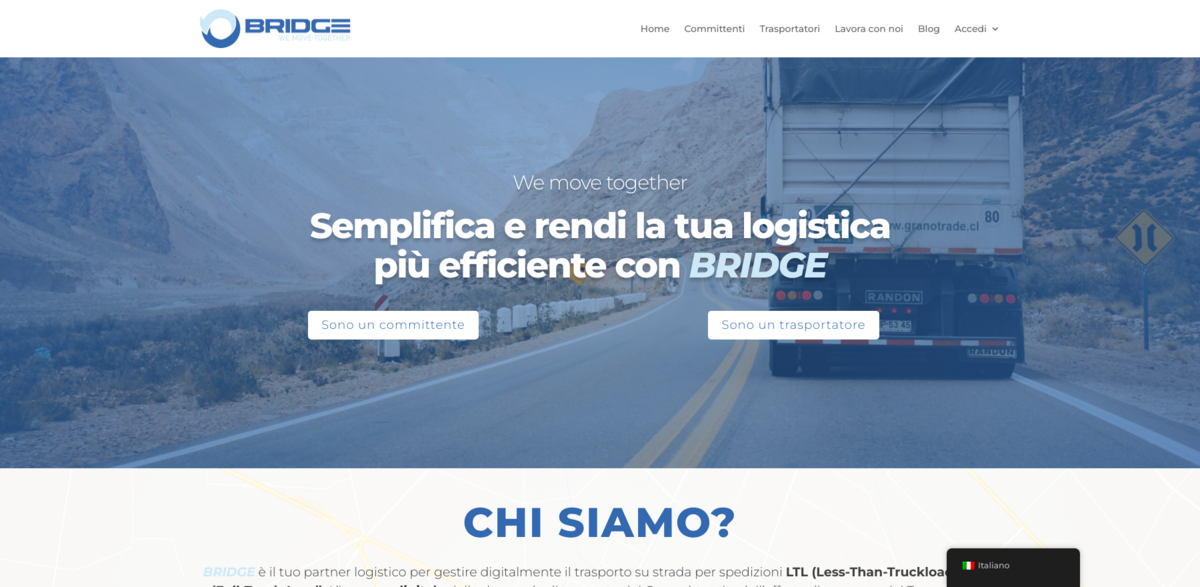
A huge amount of physical infrastructure — shipping, freight, aerodynamic design — still runs on legacy processes with no real-time data behind them. Adding a digital layer on top is often cheaper and faster than replacing the infrastructure entirely. It’s what target 9.c’s push for expanded ICT access looks like applied to industry rather than to consumers.
3 Get capital to the innovation that needs it to scale
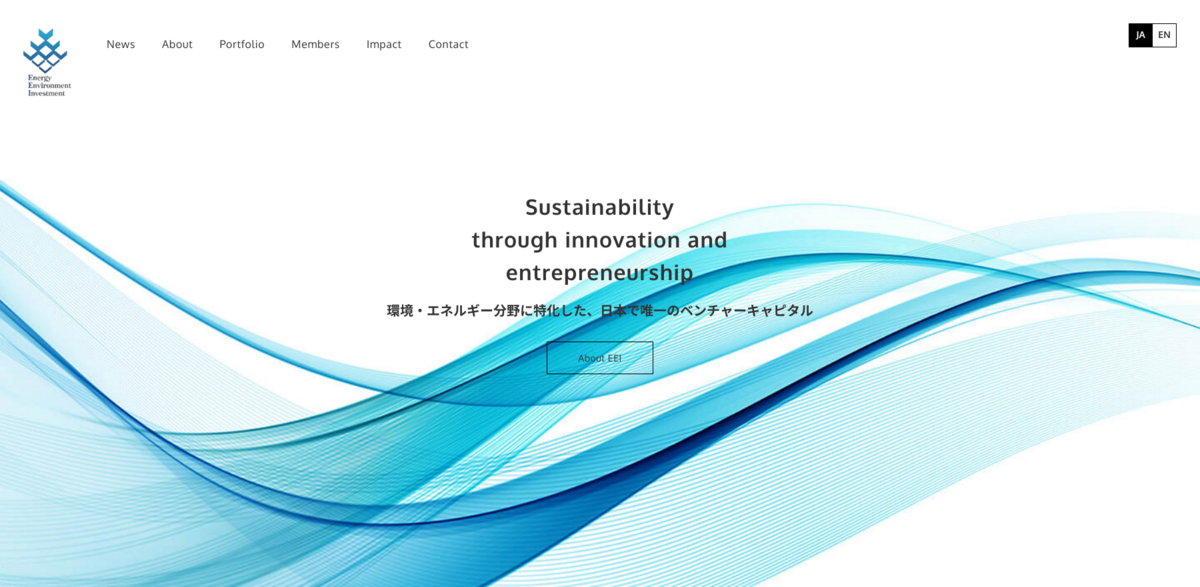
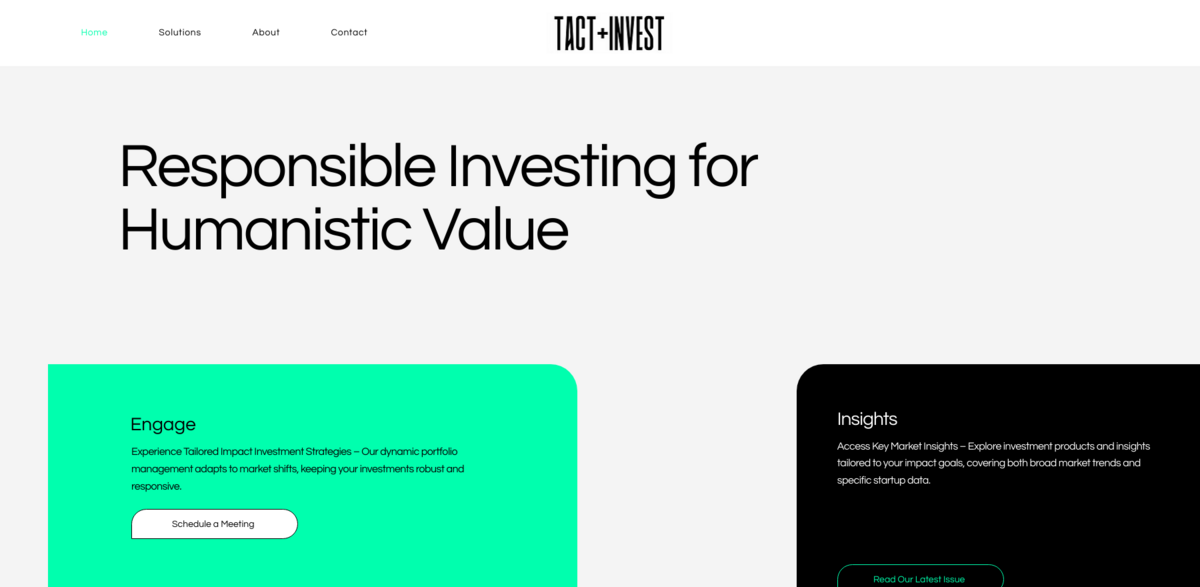
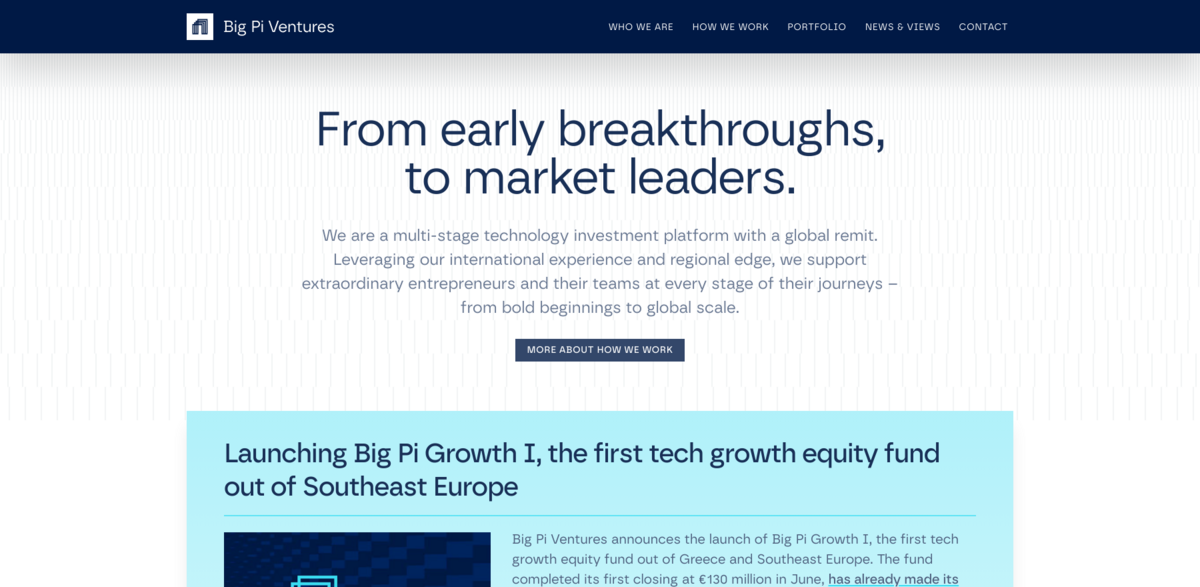
Good industrial technology dies in the lab without funding to reach production scale. Venture and investment firms focused specifically on environment, energy, and sustainable innovation directly serve target 9.3’s mandate. That mandate is to increase small and medium enterprises’ access to financial services and value chains.
What the UN’s own targets actually require
- 9.1 — Develop reliable, sustainable, and resilient infrastructure
- 9.2 — Promote inclusive and sustainable industrialization
- 9.3 — Increase SME access to financial services
- 9.4 — Upgrade industries to be more sustainable and resource-efficient
- 9.c — Expand access to information and communication technology (ICT)
Frequently asked questions about SDG 9
What is SDG 9?
SDG 9: Industry, Innovation, and Infrastructure is the ninth of the United Nations’ Sustainable Development Goals under Agenda 2030. It focuses on developing sustainable industries, fostering innovation, and improving infrastructure for economic and social progress.
Why is SDG 9 important?
Industrialization and innovation drive economic growth, job creation, and social development. Without sustainable infrastructure and technological advancement, communities and businesses struggle to thrive in a rapidly evolving world.
What are the key targets of SDG 9?
Reliable and resilient infrastructure; inclusive and sustainable industrialization; and increased SME access to financial services. Also: upgrading industries for resource efficiency, supporting R&D for technological progress, and expanding ICT access.
How does SDG 9 relate to Agenda 2030?
SDG 9 is closely linked to economic growth (SDG 8), clean energy (SDG 7), and climate action (SDG 13). Sustainable industrialization and infrastructure contribute to job creation, environmental protection, and digital transformation.
What are the biggest challenges to achieving SDG 9?
Lack of infrastructure in developing regions, and limited access to technology and digital connectivity. Also: high costs of sustainable industrialization, and slow adoption of green manufacturing practices.
How can governments help achieve SDG 9?
Governments can invest in transportation, energy, and digital infrastructure, and support R&D and innovation. They can also implement policies encouraging sustainable industrialization, and ensure SME financial access.
What role do businesses play in SDG 9?
Businesses can develop eco-friendly, resource-efficient industries, invest in R&D and digital transformation, promote responsible supply chains, and collaborate with governments on infrastructure. The three approaches above are what that looks like in practice.
How can individuals contribute to SDG 9?
Support companies that prioritize sustainable innovation, and advocate for local infrastructure improvements. Encourage government investment in digital and green technology, and adopt efficient technologies in daily life.
How is progress on SDG 9 measured?
The UN tracks investment in R&D, and the percentage of the population with internet access. It also tracks growth of sustainable industries and green technologies, and infrastructure development in rural and urban areas.
Will the world achieve SDG 9 by 2030?
Significant progress is being made, but digital divides, infrastructure gaps, and industrial inefficiencies remain major obstacles. Achieving SDG 9 requires greater investment in innovation and stronger public-private partnerships.
Related goals
Every organization above is one of 1,042 real, catalogued SDG 9 projects on this platform.
Explore the full list →Sourced from Keys for Tomorrow’s project catalog and the UN Sustainable Development Goals framework (sdgs.un.org).