
Three ways organizations are closing the health access gap
SDG 3 aims to ensure healthy lives and promote well-being for all, at every age, by 2030. Looking across 1,120 real projects tracked on this platform, three distinct approaches keep recurring.
Health outcomes aren’t decided only in hospitals. They’re shaped just as much by whether care is reachable, whether daily habits support wellbeing before illness starts, and whether the systems around care (insurance, staffing, safety) actually function. Looking at real organizations instead of policy language, three approaches keep showing up.
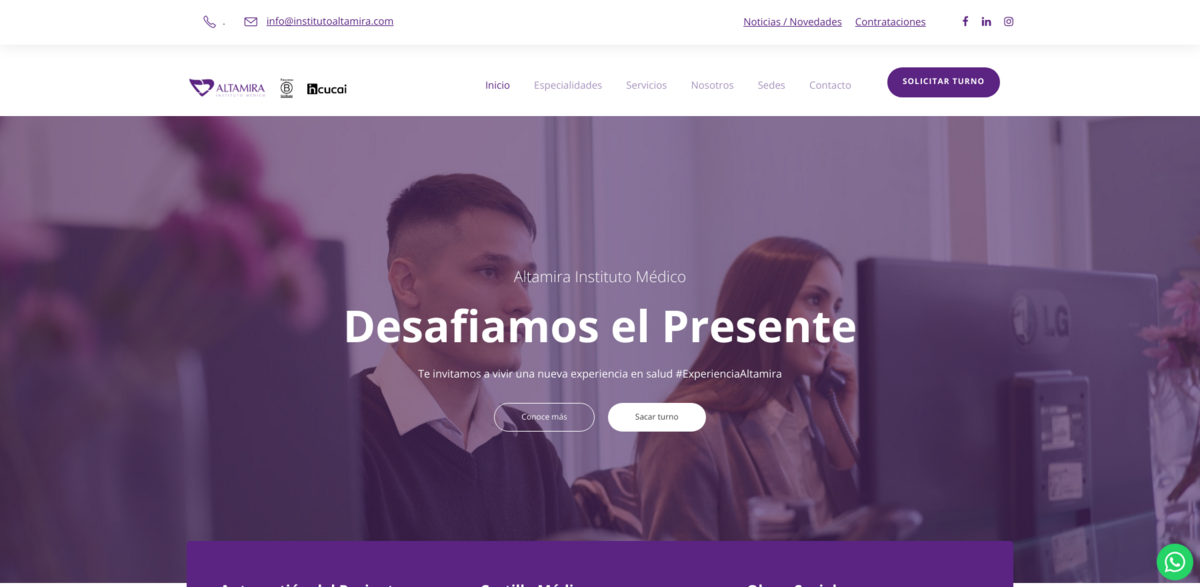
1 Put direct care where it's currently missing
The most visible gap in global health is simple: in a lot of places, qualified care is either too far away or too short-staffed to reach people in time. Organizations that close this gap directly — clinics, staffing pipelines, evaluation services that make care programs actually work — map straight onto targets 3.1, 3.2, and 3.8’s push for universal coverage. It’s unglamorous work. But it’s the layer everything else in health depends on.

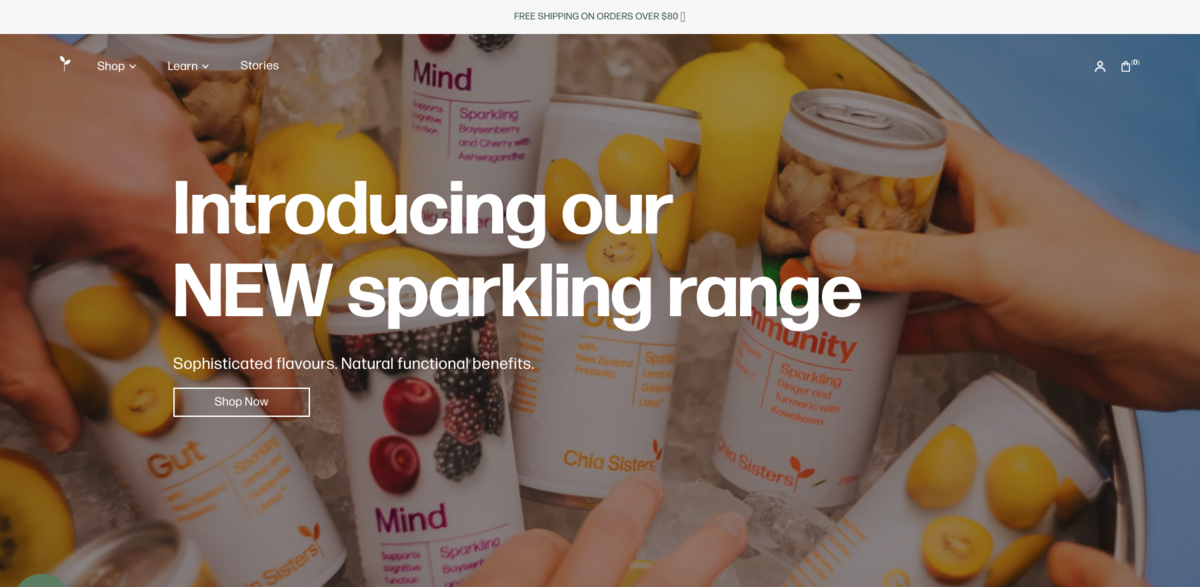
2 Build prevention into products people already buy
A large share of the non-communicable disease burden — heart disease, diabetes, and related conditions named directly in target 3.4 — is downstream of everyday nutrition. Businesses that build real health into a snack, a drink, or a meal someone was buying anyway shift prevention upstream of the doctor’s office. They do it without asking anyone to change their behavior first.
3 Fix the systems that decide whether care is affordable
Even where doctors and medicine exist, health outcomes often come down to whether care is financially reachable and whether the underlying infrastructure — power for medical equipment, insurance that actually pays out — holds up. This is the least visible of the three patterns. But it decides whether targets 3.1 through 3.4 translate into real outcomes or stay aspirational.
What the UN’s own targets actually require
- 3.1 — Reduce maternal mortality
- 3.2 — End preventable child deaths
- 3.3 — End epidemics of major infectious diseases (HIV/AIDS, tuberculosis, malaria)
- 3.4 — Reduce deaths from non-communicable diseases (heart disease, diabetes, cancer)
- 3.8 — Achieve universal health coverage
Frequently asked questions about SDG 3
What is SDG 3?
SDG 3: Good Health and Well-being is the third of the United Nations’ Sustainable Development Goals under Agenda 2030. It aims to ensure healthy lives and promote well-being for all, reducing preventable diseases and increasing access to medical care.
Why is SDG 3 important?
Health is crucial for economic growth, social stability, and quality of life. Without access to healthcare, clean water, and proper nutrition, millions face early death, disability, and financial hardship. SDG 3 helps build stronger societies and economies.
What are the key targets of SDG 3?
Reduce maternal mortality; end preventable child deaths; end epidemics of major infectious diseases (HIV/AIDS, tuberculosis, malaria); and reduce deaths from non-communicable diseases. Also: strengthen mental health and substance abuse treatment; reduce road traffic deaths; and achieve universal health coverage.
How does SDG 3 relate to Agenda 2030?
SDG 3 connects with poverty reduction (SDG 1), clean water (SDG 6), and climate action (SDG 13). A healthy population is key to sustainable development, economic stability, and resilience to global crises.
What are the biggest challenges to achieving SDG 3?
Limited access to healthcare in low-income areas, high costs of medical treatment, and rising mental health disorders with a lack of support. Also: global health crises including pandemics, and environmental factors like pollution and climate change.
How can governments help achieve SDG 3?
Governments can expand universal healthcare coverage and fund vaccination and disease prevention programs. They can also invest in clean water and sanitation infrastructure, and strengthen mental health services.
What role do businesses play in SDG 3?
Businesses can develop affordable medicines and vaccines, invest in employee well-being programs, promote mental health awareness at work, and support telemedicine and AI-driven healthcare. The three approaches above are what that looks like in practice.
How can individuals contribute to SDG 3?
Adopt healthy lifestyles around nutrition, exercise, and mental wellbeing; and advocate for better healthcare policy. Support NGOs and health-related charities, and educate themselves on public health issues.
How is progress on SDG 3 measured?
The UN tracks child mortality and maternal health improvements, and infectious disease control and vaccination coverage. It also tracks healthcare access and affordability, and mental health support availability.
Will the world achieve SDG 3 by 2030?
Progress has been made, but pandemics, healthcare inequality, and climate-related health risks threaten the target. More investment in universal healthcare, disease prevention, and mental health services is needed to stay on track.
Related goals
Every organization above is one of 1,120 real, catalogued SDG 3 projects on this platform.
Explore the full list →Sourced from Keys for Tomorrow’s project catalog and the UN Sustainable Development Goals framework (sdgs.un.org).