
Three ways organizations are closing the gender equality gap
SDG 5 aims to achieve gender equality and empower all women and girls, by 2030. Looking across 519 real projects tracked on this platform, three distinct approaches keep recurring.
Gender equality shows up unevenly across a career and a life. Who gets promoted, who gets funded, who gets a service designed with them in mind by default. Looking at real organizations instead of policy language, three approaches keep showing up.
1 Put women in the room where decisions get made
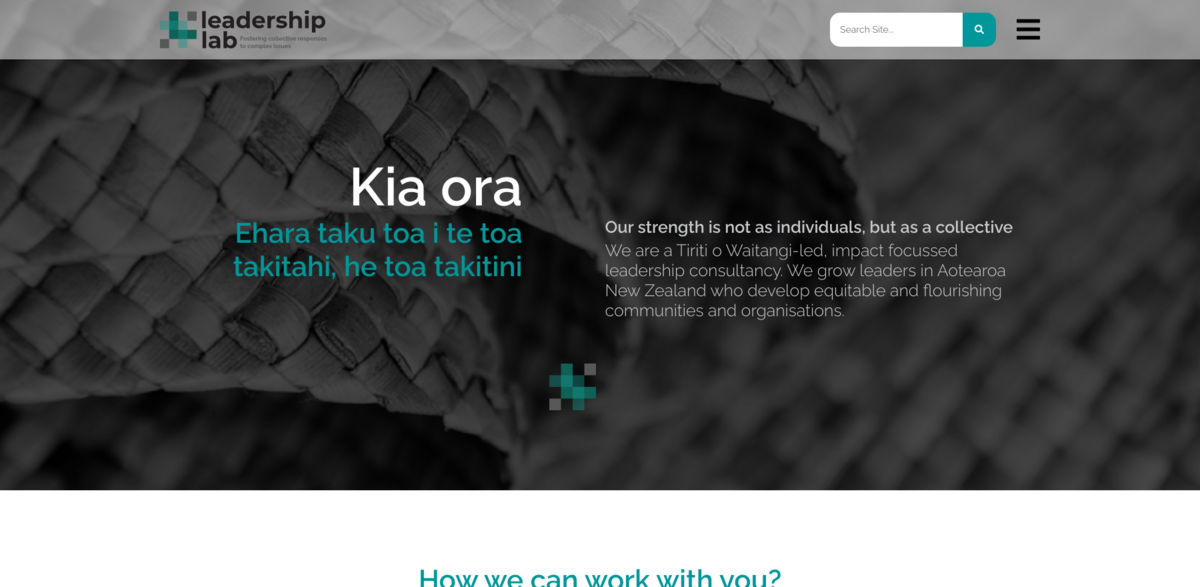
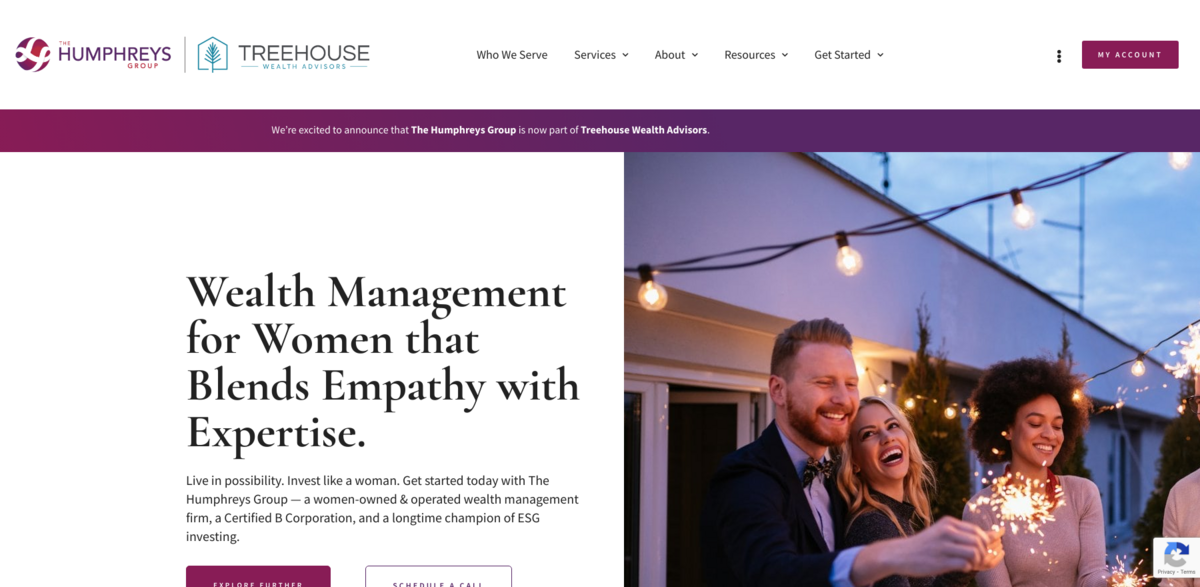
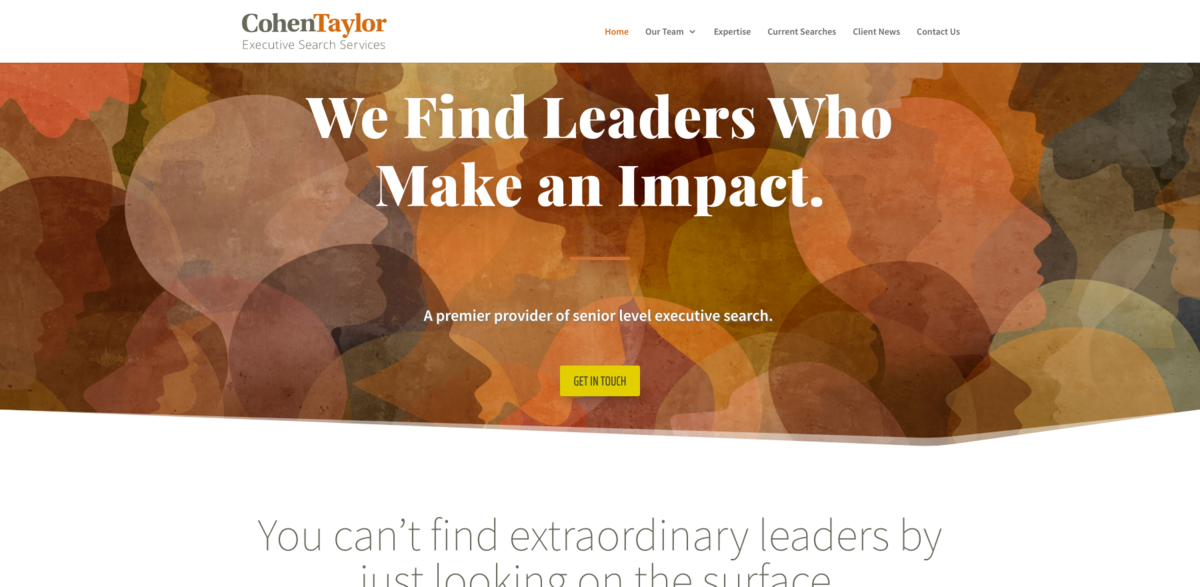
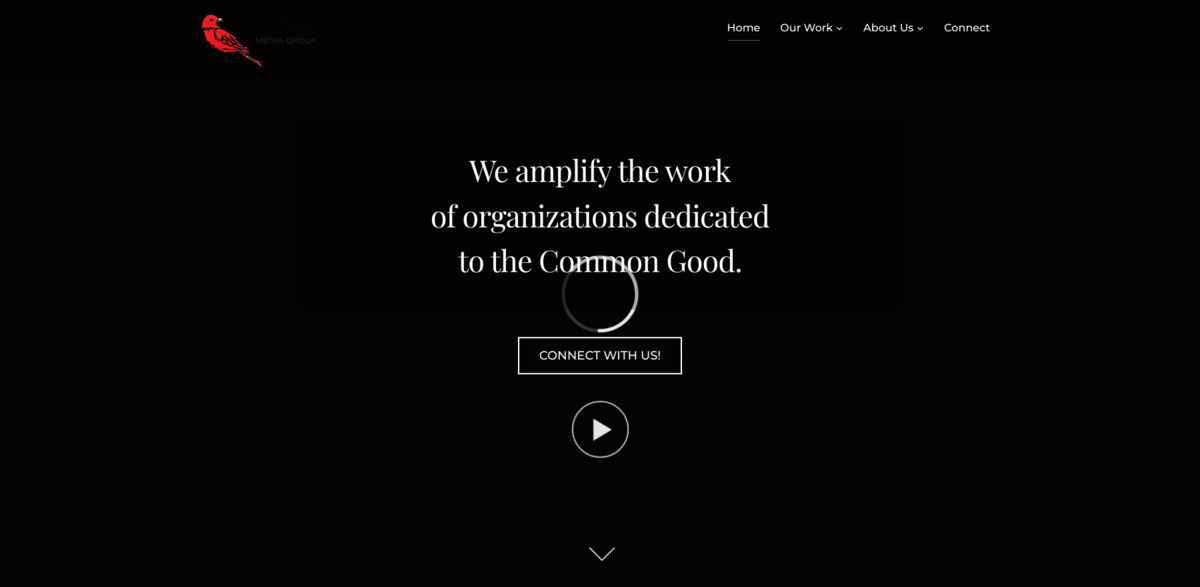
Representation in leadership isn’t symbolic. Decisions made without women in the room tend to stay structurally biased, no matter how well-intentioned. Organizations building leadership pipelines, executive search, and financial planning specifically for women directly serve target 5.5’s call for full participation in leadership and decision-making.
2 Back women-owned businesses directly
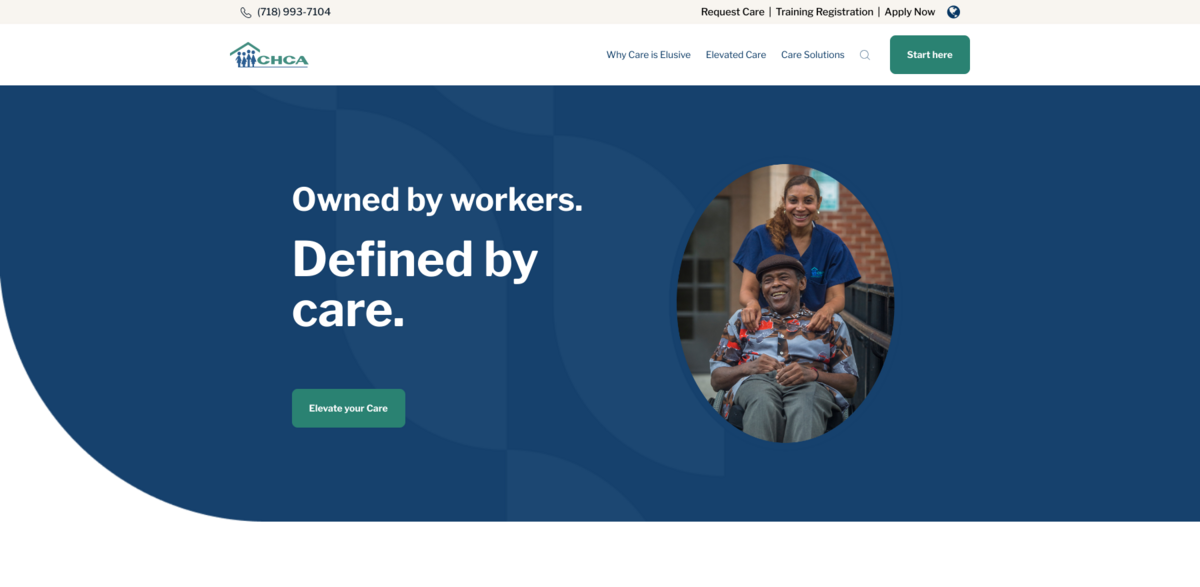
Economic independence is one of the clearest levers on gender equality. A woman running a commercially viable business isn’t dependent on a system that may still be structurally biased against her. These enterprises have to succeed on the same terms as any other business. That’s exactly what makes the model durable and scalable, not charity-dependent.


3 Fix the systems that quietly encode bias
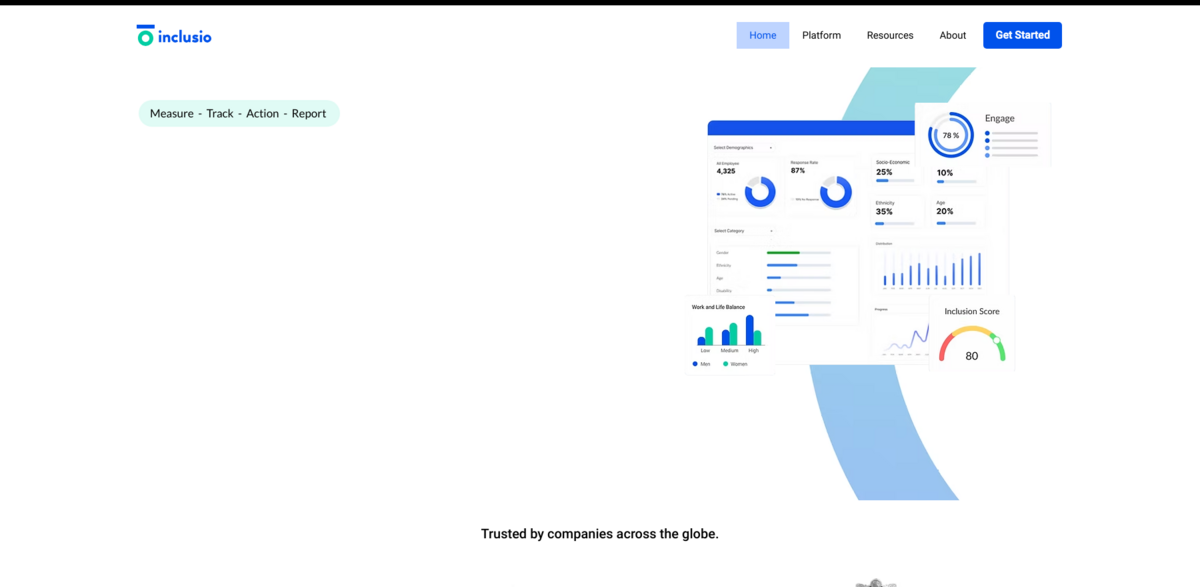
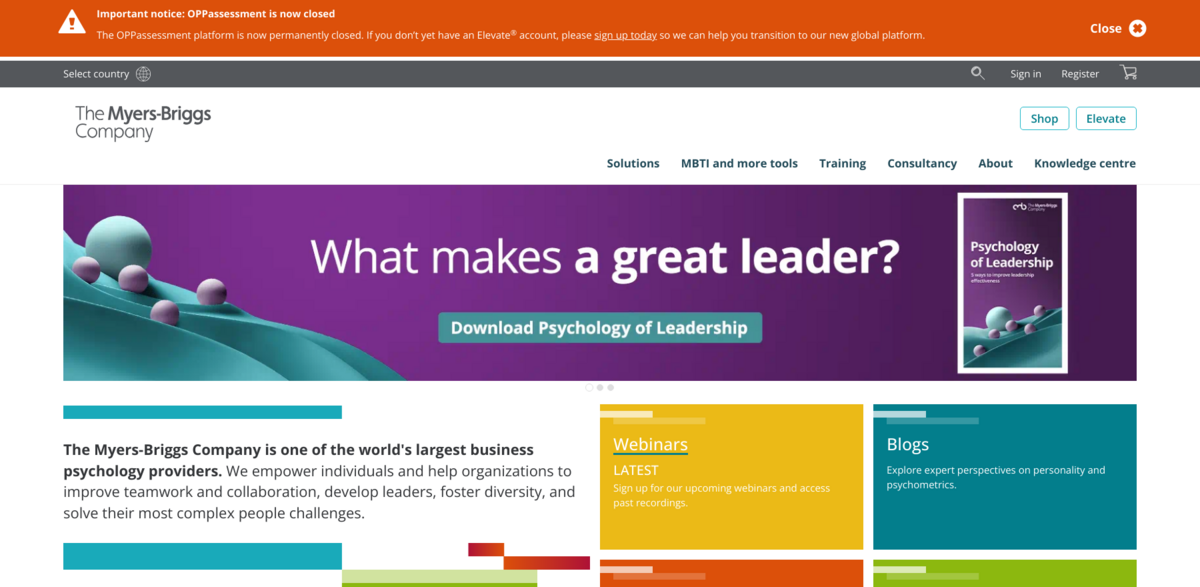
Some of the most durable gender gaps live inside systems that look neutral on paper — hiring data, workplace tools, care work that’s unpaid and invisible in most economic measurement. Fixing the system itself, not just adding a policy on top of it, is what target 5.4’s recognition of unpaid care work actually requires operationally. The same goes for target 5.1’s anti-discrimination push.
What the UN’s own targets actually require
- 5.1 — End all forms of discrimination against women and girls
- 5.2 — Eliminate violence, including trafficking and exploitation
- 5.4 — Recognize and value unpaid care and domestic work
- 5.5 — Ensure full participation in leadership and decision-making
- 5.6 — Ensure universal access to sexual and reproductive health rights
Frequently asked questions about SDG 5
What is SDG 5?
SDG 5: Gender Equality is the fifth of the United Nations’ Sustainable Development Goals under Agenda 2030. It aims to eliminate discrimination, violence, and inequality faced by women and girls worldwide.
Why is SDG 5 important?
Gender equality promotes economic growth, social stability, and human rights. Societies that empower women experience higher GDP, lower poverty rates, and improved well-being for everyone.
What are the key targets of SDG 5?
End all forms of discrimination against women and girls; eliminate violence including trafficking and exploitation; and end child marriage and FGM. Also: recognize unpaid care and domestic work; ensure full participation in leadership; and ensure universal access to sexual and reproductive health rights.
How does SDG 5 relate to Agenda 2030?
Gender equality is linked to reducing poverty (SDG 1), improving education (SDG 4), and economic growth (SDG 8). A gender-equal society benefits everyone, not only women.
What are the biggest challenges to achieving SDG 5?
Cultural and legal barriers to women’s rights, and the gender pay gap and workplace discrimination. Also: lack of access to education and healthcare, and high rates of gender-based violence.
How can governments help achieve SDG 5?
Governments can enforce laws protecting women’s rights, and invest in education and health programs for women. They can also support equal pay and parental leave policies, and increase women’s representation in politics.
What role do businesses play in SDG 5?
Businesses can ensure equal pay and workplace diversity, support women in leadership, implement harassment-free policies, and offer mentorship programs. The three approaches above are what that looks like in practice.
How can individuals contribute to SDG 5?
Challenge gender stereotypes and biases, and support women-owned businesses. Advocate for policies promoting gender equality, and educate themselves and others about women’s rights.
How is progress on SDG 5 measured?
The UN tracks women’s representation in leadership roles, and legal protections against discrimination. It also tracks rates of gender-based violence, and access to education and healthcare for women and girls.
Will the world achieve SDG 5 by 2030?
Progress has been made, but gender inequality remains a major challenge. Achieving SDG 5 requires legal reform, social awareness, and sustained investment in women’s empowerment programs.
Related goals
Every organization above is one of 519 real, catalogued SDG 5 projects on this platform.
Explore the full list →Sourced from Keys for Tomorrow’s project catalog and the UN Sustainable Development Goals framework (sdgs.un.org).