What Is the Cotton Africa Project?
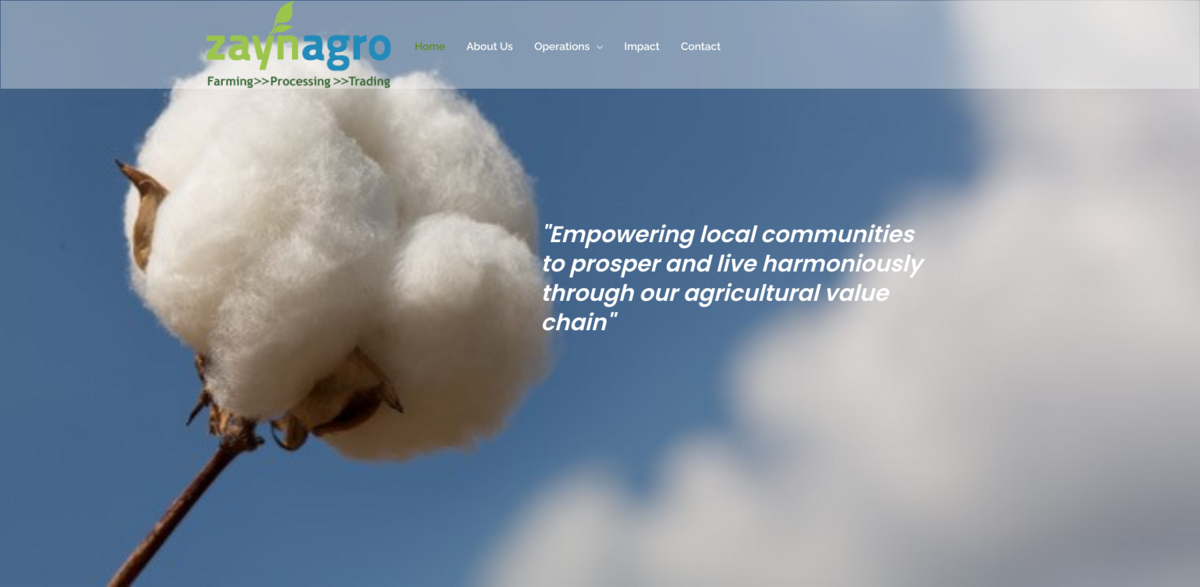
At its core, the Cotton Africa project is all about empowering local communities to prosper and live harmoniously through an agricultural value chain. It’s not just about cotton; it’s about creating a ripple effect that benefits everyone involved—from farmers to traders, and beyond. The project operates with a clear mission: to build sustainable agricultural practices that uplift communities, foster economic growth, and promote environmental stewardship. Interested in learning more? Their main hub is here, where you can dive deeper into their story and operations.
Main Benefits of the Project
So, what makes Cotton Africa stand out? Here are some key highlights that showcase the impact and scope of their work:
- Empowerment of local farmers through sustainable cotton ginning processes.
- Operation of an oil mill that adds value and creates additional income streams.
- Robust trading operations that connect producers with wider markets.
- A strong commitment to sustainability, ensuring long-term environmental and social benefits.
- Direct positive impact on community livelihoods and economic resilience.
Cotton Ginning Operation
The cotton ginning operation is a vital part of the project’s value chain. This process separates cotton fibers from seeds, making the raw material ready for textile production. But it’s not just about efficiency; it’s about doing it right—ensuring quality, reducing waste, and supporting farmers with fair practices. More details on this can be found here.
Oil Mill: Adding Value Beyond Cotton
Beyond cotton ginning, the project runs an oil mill that processes cotton seeds into valuable oil products. This diversification means more opportunities for local communities to generate income and reduces reliance on a single product. It’s a smart move that strengthens the entire agricultural ecosystem. Curious? Check out the oil mill operation here.
Trading Operations: Connecting Markets
Trading is where the rubber meets the road. Cotton Africa’s trading operations link producers with buyers, both locally and internationally. This connection ensures fair prices and market access, which are crucial for sustaining the livelihoods of everyone involved. It’s a dynamic part of the project that keeps the value chain moving smoothly. More on this can be found here.
Project Impact and Sustainable Development Goals
- SDG 1: No Poverty – By empowering farmers and communities economically.
- SDG 2: Zero Hunger – Supporting agricultural productivity and food security.
- SDG 8: Decent Work and Economic Growth – Creating jobs and sustainable livelihoods.
- SDG 12: Responsible Consumption and Production – Promoting sustainable agricultural practices.
- SDG 15: Life on Land – Encouraging environmental stewardship and biodiversity.
Commitment to Sustainability
Sustainability isn’t just a buzzword here—it’s woven into every part of the project. From reducing environmental impact to fostering social equity, Cotton Africa’s approach ensures that their work benefits not only today’s communities but also future generations. Their sustainability efforts are detailed here, highlighting initiatives that protect natural resources while boosting economic opportunities.
What Cotton Africa actually does
Cotton Africa (ZaynAgro) is a vertically integrated agricultural processing company based in Kitui Town, Kenya, established in 1935 as a family-owned business. It runs cotton ginning, oil milling, and bio-diesel production, alongside agricultural trading, and works through a network of small-scale contract farmers rather than large industrial farms.
Where the operation shows up
- Cotton ginning: processing raw cotton sourced from thousands of contract smallholder farmers.
- Oil milling: processing agricultural byproducts into oil products.
- Bio-diesel production: running since 2011, turning agricultural inputs into renewable fuel.
Proof, not just claims
Cotton Africa has supplied clients including the UN in Nairobi and eco-lodges, and has run its bio-diesel operation since 2011.
Why this belongs on a sustainability directory
Cotton Africa connects to SDG 1 (no poverty) and SDG 8 (decent work and economic growth) by giving 7,000 small-scale farmers a stable contract market for their cotton, and SDG 2 (zero hunger) by integrating agricultural processing with local farming livelihoods in Kitui County.
Frequently asked questions
Where is Cotton Africa based, and who uses it?
Cotton Africa (ZaynAgro) is based in Kitui Town, Kenya, established in 1935. It works with 7,000 small-scale contract cotton farmers and supplies clients including the UN in Nairobi and eco-lodges.
Which SDGs does Cotton Africa support, and how?
Cotton Africa supports SDG 1 (no poverty) and SDG 8 (decent work and economic growth) by giving thousands of small-scale farmers a contract market for cotton, and SDG 2 (zero hunger) by integrating processing with local agricultural livelihoods.
How is Cotton Africa verified as a sustainability project?
Cotton Africa holds Solar Impulse Efficient Solution certification.
Looking for similar Agriculture & food projects?
See Agriculture & food projects, or browse all Food & Beverage projects.