What Circular Industries Is All About
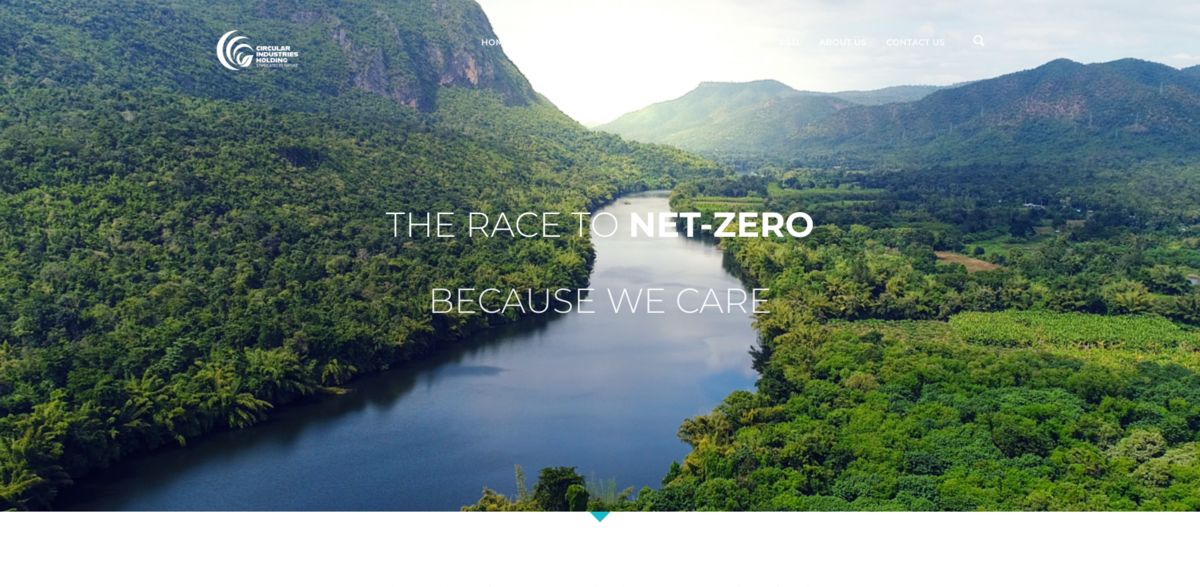
Circular Industries is on a mission to change the game in sustainability by harnessing the power of nature and cutting-edge biotechnology. Their approach? Turning abundant waste materials into high-value, CO2-neutral bio-substances that replace traditional petroleum-based chemicals. It’s not just about being green—it’s about being smart, effective, and innovative. By collaborating with credible partners across technology, energy, and chemical sectors, they deliver carbon-negative and carbon-neutral solutions that are both economically viable and genuinely sustainable. The company’s vision is clear: partner with nature and drive a circular economy inspired by millions of years of evolution.
Main Benefits and Key Figures
The impact of Circular Industries’ work is impressive, with tangible benefits that speak volumes:
- 20 Million Tons/Year of Carbon Dioxide Removal
- 5.8 Million Tons/Year of 2G Bio Ethanol production
- 3 Million Tons/Year of Sustainable Aviation Fuel (SAF)
- 1 Million Tons/Year of Green Ammonia
These numbers highlight a serious commitment to reducing greenhouse gases while producing valuable, sustainable energy carriers and specialty chemicals. It’s a win-win for the planet and the industries that rely on these materials.
Reinventing Supply Chains with Local Focus
One of the standout ideas Circular Industries champions is the reinvention of supply chains through nearshoring. Traditionally, chemicals like Isopropanol and Acetone are produced in large, centralized hubs. But with today’s geopolitical tensions, pandemic disruptions, and logistical headaches, these supply chains have become unreliable and overly complex. Circular Industries flips the script by decentralizing production, focusing on local niche markets and regional customization. This means shorter, cheaper, greener, and more reliable supply chains—exactly what industries need in a fast-changing world.
Smart Systems and Sustainable Sourcing
Smart systems play a crucial role in Circular Industries’ strategy. They use cloud-based platforms to streamline waste raw material collection, making the process user-friendly and efficient. This “thinking outside the box” approach boosts collection volumes and cuts down environmental impact. Plus, they prioritize smart sourcing—choosing materials that minimize environmental harm and reducing energy and water use wherever possible. It’s all about being thoughtful and intentional with resources.
Innovation Meets Nature
Innovation at Circular Industries isn’t just a buzzword—it’s embedded in everything they do. From using Artificial Intelligence (AI), machine learning, and the Internet of Things (IoT) to big data analytics, technology drives their biotech processes from start to finish. Their scientists have even trained yeast to metabolize waste more efficiently than ever imagined, turning natural fermentation into a powerful tool for creating bio substrates that replace petrochemical processes. This blend of biology and technology is a game changer, delivering solutions that are both environmentally sound and commercially viable.
Project Impact on Sustainable Development Goals (SDGs)
- SDG 7: Affordable and Clean Energy
- SDG 9: Industry, Innovation, and Infrastructure
- SDG 12: Responsible Consumption and Production
- SDG 13: Climate Action
- SDG 15: Life on Land
Commitment to Environmental Excellence
Circular Industries takes environmental responsibility seriously. They strive to maintain a safe and healthy work environment while minimizing their ecological footprint. Compliance with environmental laws and best practices is a given. The company embraces the 3R principles—Reduce, Reuse, and Recycle—in every aspect of their operations, from products and services to waste management. Their approach is holistic, ensuring that every action considers its environmental impact. By focusing on sustainability, smart sourcing, and resource efficiency, Circular Industries is not just imagining a better future—they’re building it.