What is Rude Health?
Rude Health is all about good food and drink that truly rocks your world. It’s the kind of stuff that tantalises your taste buds and puts a spring in your step. Starting back in 2005 at a humble kitchen table with the Ultimate Muesli, and later launching gobsmacking dairy-free drinks in 2013, the brand has stayed true to its roots. Today, the range has grown way beyond that first muesli, but the approach remains the same: creating crave-worthy food and drinks using only the tastiest kitchen cupboard ingredients. Nothing artificial. Just pure, delicious goodness that makes the healthy choice easy and enjoyable.
Main Benefits of Rude Health
Here’s why Rude Health stands out:
- 23 Great Taste Awards proving the flavour is spot on
- Established since 2005, blending tradition with innovation
- Focus on dairy-free drinks that are versatile – pour on cereal, bake with them, or add a lovely cloud to your tea or coffee
- Granola that’s high in fibre and whole grain, packing a whole lotta goodness
- Only natural, kitchen cupboard ingredients – no artificial nonsense
- B Corp score of 120.7, reflecting a strong commitment to social and environmental performance
Flavour is the Mantra
At the heart of Rude Health is flavour. Bright, bold, and unapologetically delicious. They make food for people who fill their bowls to the brim and want every bite to count. It’s about turning simple kitchen cupboard ingredients into something crave-worthy. No bland breakfasts here – just vibrant, tasty food that wakes you up and keeps you going.
Quality is the Mission
Quality isn’t just a buzzword for Rude Health; it’s a mission. They look to nature first, sourcing ingredients from where they grow best. Why make food in labs when you can grow organic almonds in groves? This commitment to natural sourcing means every product is packed with the best nature has to offer, ensuring that what lands on your plate is wholesome, nutritious, and bursting with flavour.
Championing a Brighter Way
Rude Health believes in a brighter way of doing business. It’s not just about profit – it’s about balancing people, planet, and profit. This means making choices that support sustainability, ethical sourcing, and social responsibility. It’s a business model that looks beyond the bottom line to create positive impact for communities and the environment alike.
Project Impact and Sustainable Development Goals (SDGs)
- SDG 2: Zero Hunger – promoting nutritious, wholesome food options
- SDG 3: Good Health and Well-being – encouraging healthy eating habits
- SDG 12: Responsible Consumption and Production – using natural ingredients and sustainable sourcing
- SDG 13: Climate Action – supporting environmentally friendly farming practices
- SDG 15: Life on Land – sourcing from organic farms and groves
Where to Find Rude Health
Rude Health products are easy to find across many popular retailers, making it simple to bring their delicious, healthy food and drinks into your home. Whether you shop at Waitrose, Tesco, Sainsbury’s, Morrisons, Ocado, Holland & Barrett, or Abel & Cole, you’re never far from a bowl full of goodness. Plus, their social media channels keep fans connected and inspired with fresh ideas and updates.
What Rude Health actually does
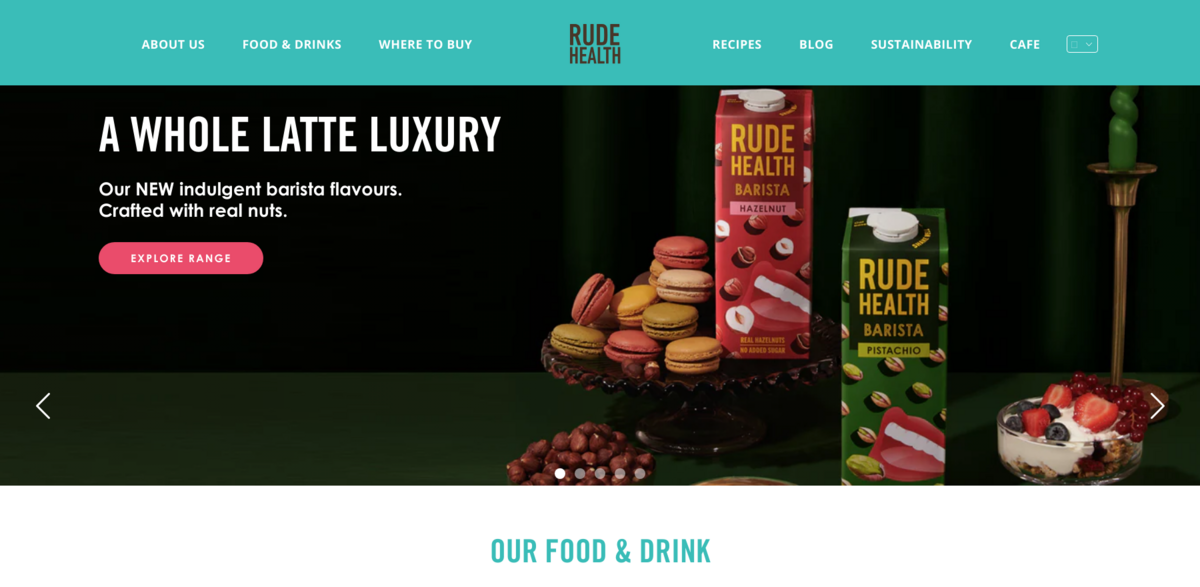
Rude Health makes organic breakfast foods and dairy-free drinks from kitchen-cupboard ingredients, with nothing artificial. Founders Camilla and Nick Barnard started mixing muesli at their kitchen table in 2005, and the range now covers granola, porridge, plant-based drinks and a barista range made with real nuts, including a new Organic Coconut Barista.
The company sources ingredients from where they grow best, such as organic almonds grown in Sicily and organic oats from home-grown fields, and backs its supply chain with organic farm-to-bowl certification. It describes sustainability as doing right by people, planet, product and purpose, and runs as a zero waste to landfill business.
Where Rude Health shows up
- Supermarket shoppers: organic granola, porridge and plant-based drinks stocked by major UK grocers.
- Coffee drinkers and cafes: dairy-free barista drinks designed to foam and taste right in coffee.
- Health food retail: a dairy-free, wholegrain, high-fibre range for people avoiding artificial ingredients.
- Food redistribution: surplus stock donated to charities that feed people in need.
Proof, not just claims
Rude Health reports these figures on its own sustainability page, alongside 100% recyclable drinks cartons and a shelf life extension for its drinks from 5 to 7 days to cut waste. It has also committed to auditing suppliers on food waste and agreeing reduction targets with them.
Trusted by
TescoUK grocery retailer
Sainsbury’sUK grocery retailer
OcadoOnline grocer
Holland & BarrettHealth food retailer
FareShareFood redistribution charity
Why this belongs on a sustainability directory
Rude Health’s organic sourcing avoids chemical pest control inputs, which supports more sustainable food production under SDG 2 (Zero Hunger), and its surplus food donations to FareShare and The Felix Project put 250,000 meals in front of people in need. Its zero waste to landfill operations, 71% waste cut, recyclable cartons and supplier food waste audits address responsible production and consumption under SDG 12.
Frequently asked questions
Where is Rude Health based, and who uses it?
Rude Health is a London based food and drink brand founded in 2005. Its organic granola, porridge and dairy-free drinks are sold through UK retailers including Waitrose, Tesco, Sainsbury’s, Morrisons, Ocado, Holland & Barrett and Abel & Cole, and its barista range is used by coffee drinkers at home and in cafes.
Which SDGs does Rude Health support, and how?
Rude Health supports SDG 2 (Zero Hunger) through organic sourcing and surplus food donations equal to 250,000 meals via FareShare and The Felix Project. It supports SDG 12 (Responsible Consumption and Production) as a zero waste to landfill business that cut waste by 71% in 2023 and uses 100% recyclable drinks cartons.
How is Rude Health verified as a sustainability project?
Rude Health is a certified B Corp, which required a B Impact Assessment score of 80 or higher plus a separate risk review by B Lab. Its products also carry organic certification, and it publishes an annual Impact Report on its website.
Looking for similar Agriculture & food projects?
See Agriculture & food projects, or browse all Food & Beverage projects on Keys for Tomorrow.