What is Foodprint?
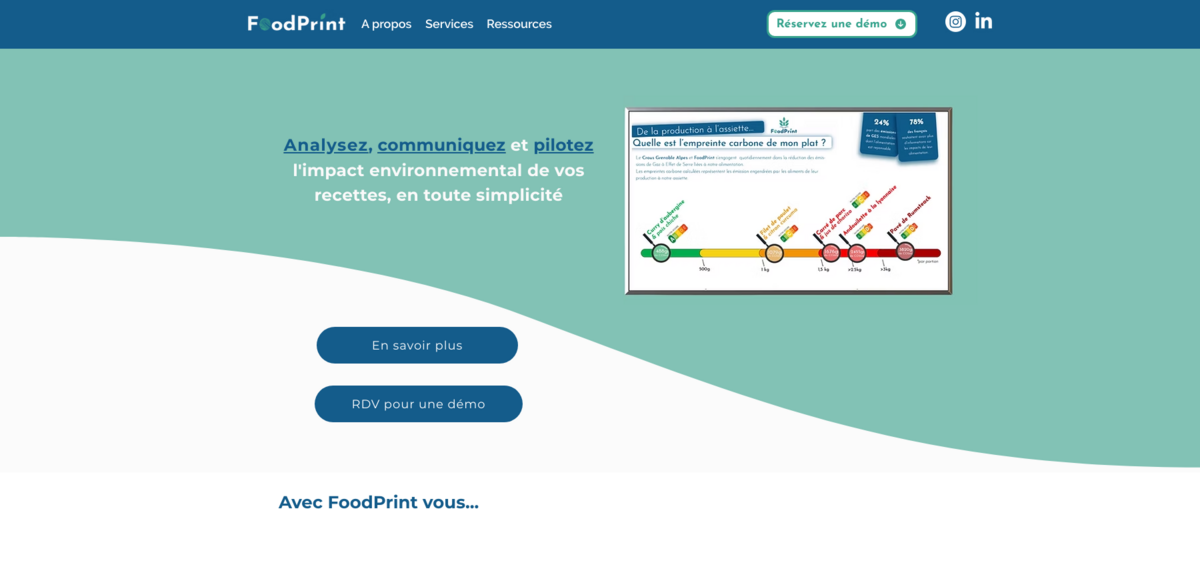
Foodprint is all about analyzing, communicating, and managing the environmental impact of your recipes—simple as that. It’s a tool that lets you integrate real-time analysis to measure both the environmental and nutritional footprint of your dishes. Whether you’re looking to develop new skills around food waste or aiming to create sustainable eating habits, Foodprint has got you covered. Plus, it offers advice on crafting low-carbon menus that make a real difference.
The Main Benefit of Foodprint
Here’s what makes Foodprint stand out:
- Real-time measurement of environmental and nutritional impacts
- Personalized support to help restaurants transition ecologically
- Turnkey service for calculating and displaying carbon footprints in collective catering
- Training for food service pros on sustainable and healthy eating
- Helps reduce greenhouse gas emissions significantly
- Promotes healthier, more sustainable food consumption
Foodprint for RSE Managers
For RSE (Corporate Social Responsibility) managers, Foodprint is a game-changer. It allows you to measure and showcase the carbon footprint of your menus, keeping diners informed and engaged. Tracking the positive impact of your sustainability actions becomes straightforward. Plus, it simplifies gathering data on food emissions, making it easier to plug into your overall carbon balance. It’s all about making sustainability transparent and manageable.
Raising Awareness for Everyone
Foodprint isn’t just for professionals—it’s for everyone. Through events organized in partnership with Foodprint, people get a chance to learn about environmental issues related to food. These events spark conversations and raise awareness, helping communities understand the importance of sustainable eating. It’s a way to connect, educate, and inspire change on a broader scale.
Personalized and Turnkey Support
One of Foodprint’s strengths lies in its personalized, turnkey support service. This makes the ecological transition of restaurants smoother and more accessible. By providing a ready-to-use system for calculating and displaying the carbon footprint of dishes, Foodprint helps collective catering services inform and raise awareness among diners. Beyond that, it supports clients in designing low-carbon menu options and offers training on the links between environmental health and public health. It’s a comprehensive approach that benefits both the planet and people.
Foodprint’s Impact on Sustainable Development Goals (SDGs)
- SDG 2: Zero Hunger – promoting sustainable food systems
- SDG 3: Good Health and Well-being – encouraging healthier eating habits
- SDG 12: Responsible Consumption and Production – reducing food waste and emissions
- SDG 13: Climate Action – lowering greenhouse gas emissions through informed choices
- SDG 17: Partnerships for the Goals – collaborating with companies and institutions like Crous
Where Foodprint Makes a Difference
Foodprint’s impact is felt in companies, at Crous (the French student catering service), and in everyday life. It’s not just a tool—it’s a movement towards more sustainable food consumption. By helping organizations and individuals understand and reduce their environmental footprint, Foodprint contributes to a healthier planet and a more conscious society. It’s about making sustainability part of daily routines, one recipe at a time.