
Three ways fashion brands are cutting the industry’s footprint
Fashion is a major category on Keys for Tomorrow, with 606 tracked projects. Looking across the catalog, three distinct approaches keep recurring.
Fashion’s sustainability problem is usually framed as one issue. But the real solutions split into distinct layers — how clothes are made, how long they last, and how buyers can tell the difference. Looking at real brands instead of category labels, three approaches keep showing up.
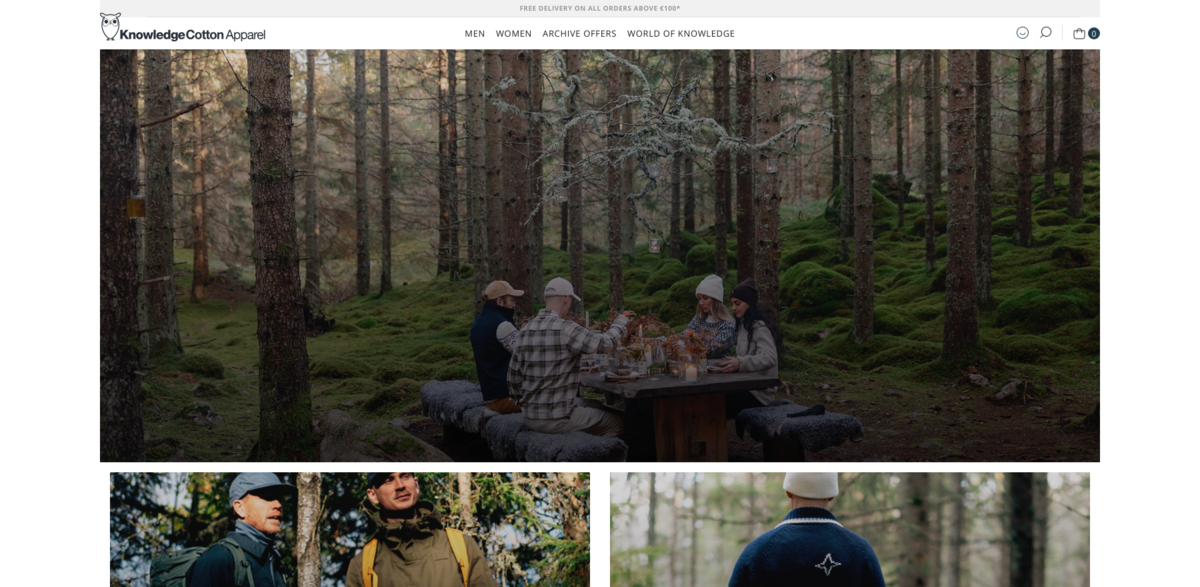
1 Manufacture apparel with a lighter footprint
The most direct approach is changing how clothes get made — ethical manufacturing, traceable supply chains, and organic materials. Built in from the first stitch rather than bolted on afterward.


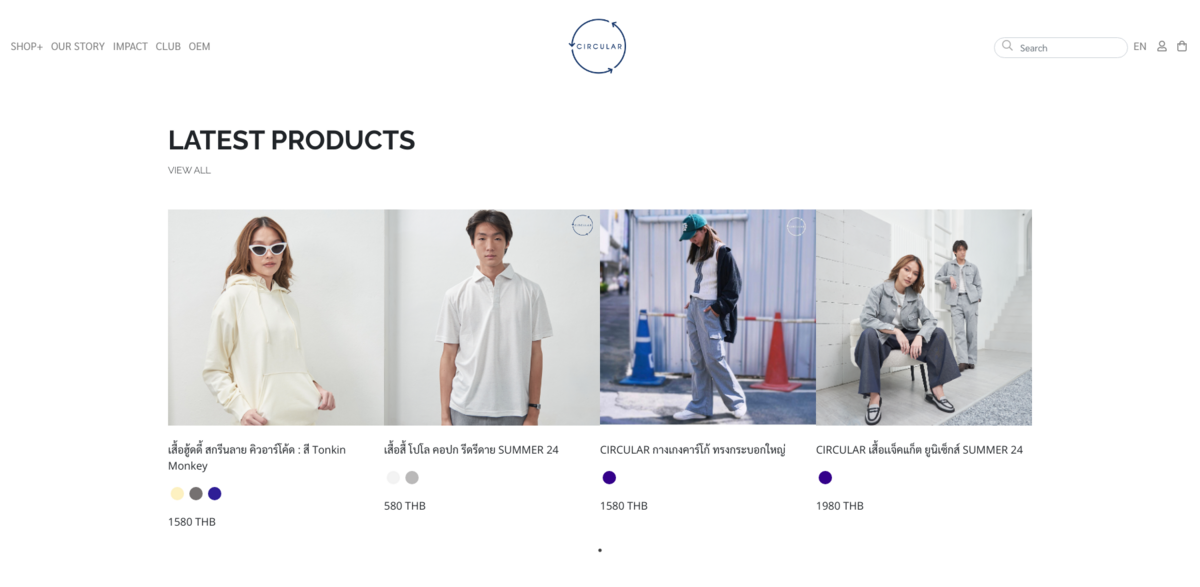
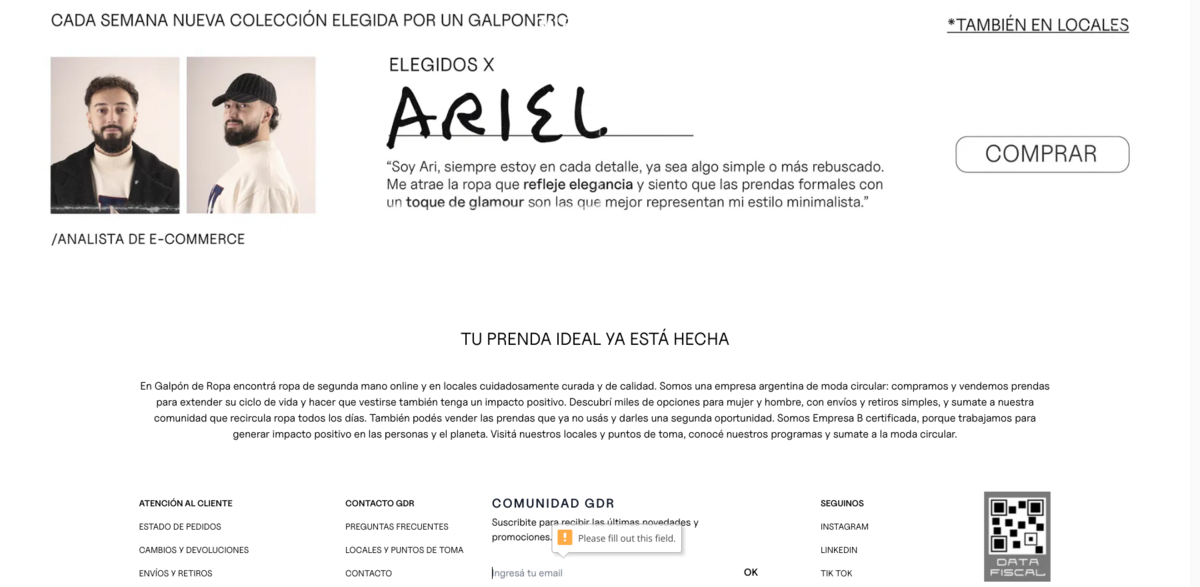
2 Give existing garments a second life
A second group skips new production altogether — circular resale and repair platforms that keep clothing in use longer. This cuts demand for virgin materials.

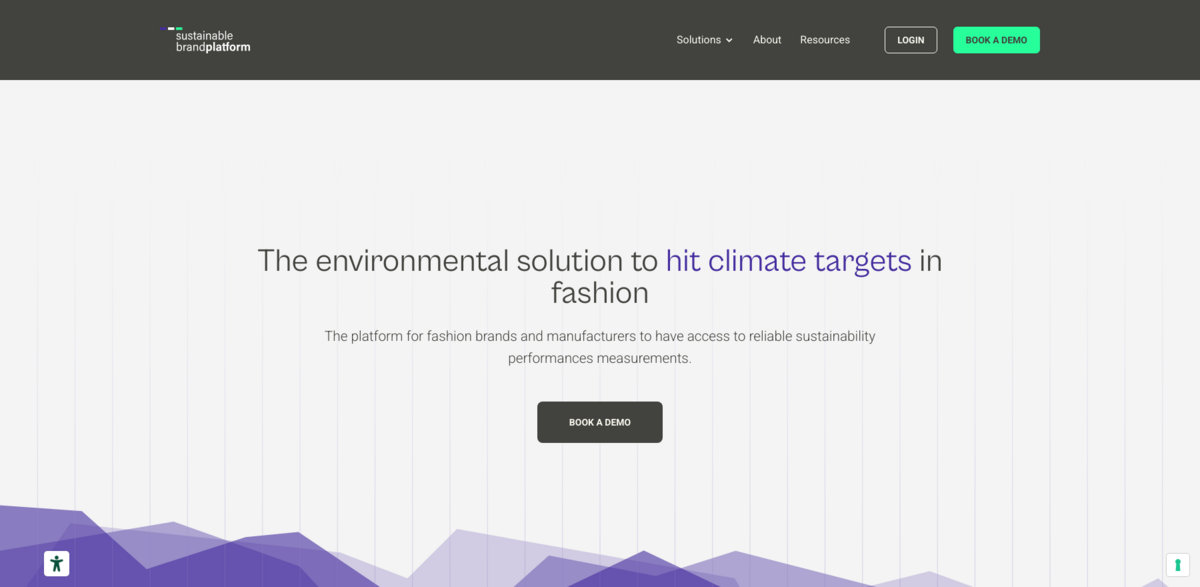
3 Build the standards buyers can trust
The third pattern is infrastructure, not clothing at all — certification schemes and data platforms that let brands prove sustainability claims. These same tools let shoppers tell real progress from marketing.

Frequently asked questions about Sustainable Fashion Projects
What counts as a sustainable fashion project on Keys for Tomorrow?
Apparel brands, resale platforms, and industry infrastructure (certification, data tools) working to reduce fashion’s environmental or labor impact. Not conventional fast-fashion retailers.
How many sustainable fashion projects are listed?
606 as of this writing, a major category on the platform.
How do I find a specific type of fashion project?
Use the Fashion archive to browse all listings. Or the Categories hub to compare against related sectors like Health & Well-being or Waste & Recycling.
Related categories & goals
Every organization above is one of 606 real, catalogued Fashion projects on this platform.
Explore the full list →Sourced from Keys for Tomorrow’s project catalog, verified live 2026-08-09.