What is Slow Food?
Slow Food is more than just a movement; it’s a global, grassroots organization dedicated to promoting good, clean, and fair food for everyone. Born from a passion to protect food biodiversity and support local food producers, Slow Food champions a world where food is not just fuel but a source of culture, community, and sustainability. It’s about savoring the moment, respecting nature, and ensuring that the food on our plates tells a story worth sharing.
Main Benefits of Slow Food
Slow Food’s impact is wide-reaching and deeply meaningful. Here are some key figures and facts that highlight its scope:
- Over 1 million activists worldwide
- More than 10,000 projects in 160 countries
- Dedicated to protecting food biodiversity and supporting local producers
- Engages communities through educational initiatives like Slow Food Gardens
- Organizes events such as Slow Beans and Slow Grains to celebrate and preserve traditional crops
Exploring Slow Food’s Key Activities
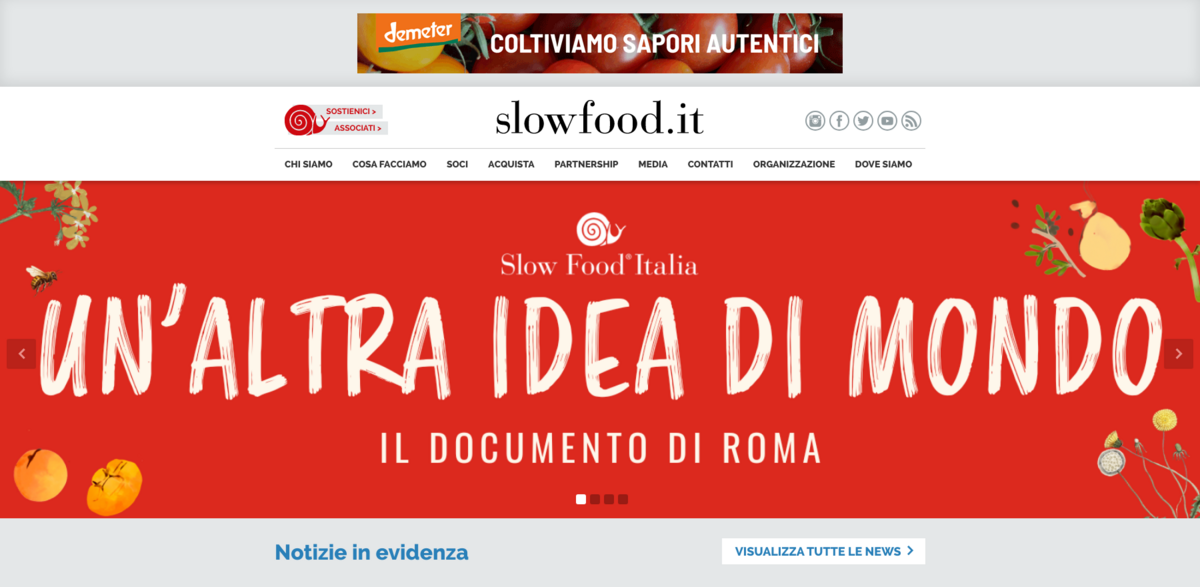
Slow Food offers a rich variety of activities that invite everyone to get involved. Curious about who they are and what they do? Check out their “Chi siamo” and “Cosa facciamo” pages. Members, or “Soci,” play a vital role in driving the mission forward, while the “Acquista” section lets supporters purchase products that align with Slow Food’s values. Partnerships also help amplify their impact, creating a network of like-minded organizations working toward a fairer food system.
Media and Communication Channels
Keeping the community informed and engaged is a priority. Slow Food’s media presence includes a dynamic news section, regular press releases, and a vibrant gallery showcasing moments from events and initiatives. For those who prefer audio and video, there’s a YouTube channel and a podcast series that dive into stories about food, culture, and sustainability. It’s a treasure trove of content that keeps the conversation alive and buzzing.
Regional Activities: Local Flavor, Global Vision
Slow Food’s strength lies in its local roots. Across Italy, regional branches bring the movement to life with tailored activities and events. From Abruzzo to Umbria, each region offers unique opportunities to connect with local food traditions and producers. Whether it’s through social media pages or dedicated websites, these regional groups foster community spirit and encourage participation in the Slow Food ethos right where people live.
Slow Food’s Impact on Sustainable Development Goals (SDGs)
- SDG 2: Zero Hunger – promoting food security and sustainable agriculture
- SDG 12: Responsible Consumption and Production – encouraging sustainable food systems
- SDG 13: Climate Action – advocating for climate-friendly food production
- SDG 15: Life on Land – protecting biodiversity and traditional crops
- SDG 17: Partnerships for the Goals – building networks for sustainable development
Highlighted News and Upcoming Events
Slow Food is always buzzing with exciting news and events. Recently, COP30 kicked off in Belém, right in the heart of the Amazon, spotlighting the urgent need for action on the climate crisis. Slow Food Italia emphasized that it’s time to move beyond promises and start making real changes. Meanwhile, Italy celebrated Slow Food Gardens with thousands of students and activists coming together to enjoy healthy eating through fun and creative activities. Looking ahead, events like Slow Beans in Capannori and Slow Grains in Reggio Calabria are set to celebrate biodiversity and traditional cereal cultivation, bringing together producers, institutions, and citizens to shape the future of food.
What Slow Food actually does
Slow Food is an international movement founded in Italy in 1986, built around the principle of good, clean, and fair food for all. Its 1987 Manifesto formalized a commitment to food production that respects ecosystems and local traditions. The movement runs the Presidia program, supporting endangered food products and traditional production methods, and the Ark of Taste, a catalog preserving at-risk culinary heritage, connecting producers with chefs through its Chef’s Alliance network.
Where the movement shows up
- Presidia: projects protecting endangered traditional food products and the small producers who make them.
- Ark of Taste: a living catalog documenting culinary heritage at risk of disappearing.
- University of Gastronomic Sciences: founded in 2004 in Piedmont, alongside a Wine Bank and Agency Hotel in Pollenzo.
Proof, not just claims
Slow Food operates 244 territorial groups across Italy alone, alongside its global network of local chapters.
Why this belongs on a sustainability directory
Slow Food connects to SDG 2 (zero hunger) and SDG 12 (responsible consumption and production) through its Presidia and Ark of Taste programs, which protect small-scale, traditional food producers and biodiversity, and to SDG 13 (climate action) through its emphasis on ecosystem-respecting food production over industrial agriculture.
Frequently asked questions
Where is Slow Food based, and who uses it?
Slow Food was founded in Italy in 1986 and now operates in 160 countries with about 1 million members and activists worldwide.
Which SDGs does Slow Food support, and how?
Slow Food supports SDG 2 (zero hunger) and SDG 12 (responsible consumption and production) through its Presidia and Ark of Taste programs protecting traditional food producers and biodiversity, and SDG 13 (climate action) through ecosystem-respecting food production.
How is Slow Food verified as a sustainability project?
Slow Food has completed over 10,000 projects across 160 countries since 1986, and founded the University of Gastronomic Sciences in 2004.
Looking for similar Agriculture & food projects?
See Agriculture & food projects, or browse all Food & Beverage projects.