14 Projects Advancing SDG 6: Clean Water and Sanitation
Clean water access is not one problem, it’s a stack of them: leaks that waste treated water before it reaches a tap, wastewater that goes untreated instead of reused, aging municipal infrastructure, and the roughly two billion people worldwide who still lack safely managed drinking water at home. The 14 organizations below work on different layers of that stack, from AI-driven leak detection in European utility networks to a Chilean company putting purification dispensers directly into homes to a nonprofit financing water access loans across the developing world. Together they show what SDG 6, Clean Water and Sanitation, looks like when it’s being built rather than just discussed.
Leak Detection & Water Loss
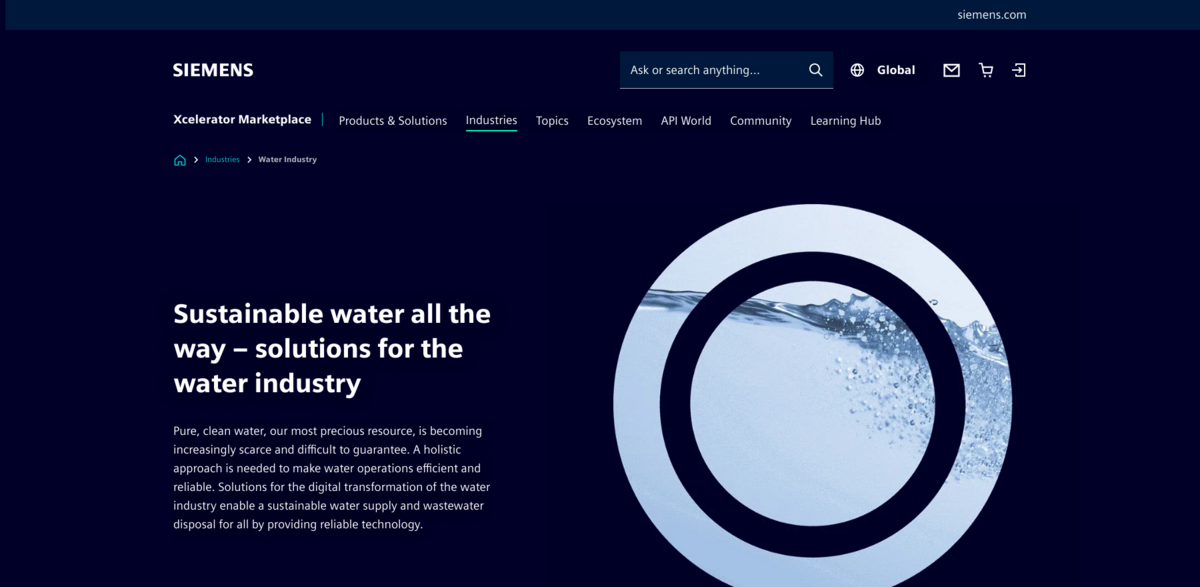
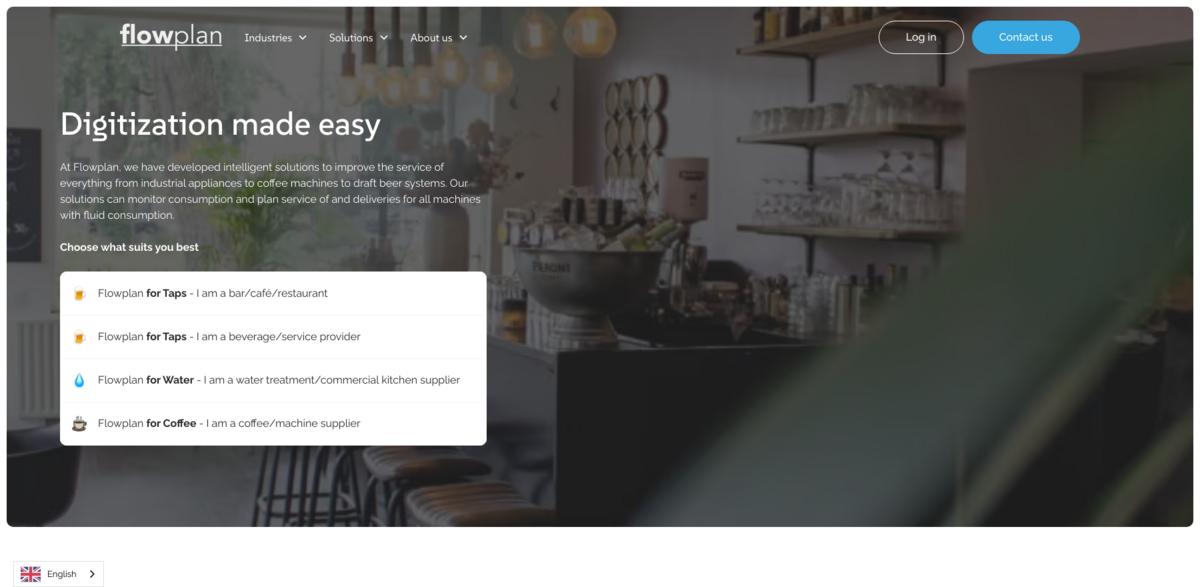
A significant share of treated water never reaches a customer, it leaks out of aging pipe networks first. Three projects in this group attack that loss directly. BuntBrain, developed in San Sebastian, Spain and acquired by Siemens in 2023, runs AI-driven leak detection precise enough to catch leaks as small as 0.25 liters per second, already deployed by utilities including FACSA in Spain and VA Syd in Sweden. Flowplan, based near Copenhagen, builds battery-powered IoT sensors (no WiFi required, up to 5 years of battery life) that monitor water and liquid consumption for hospitality businesses like PLK and Copenhagen Coffee Lab, with over 7,000 sensors installed and 180 million+ data packages analyzed. Novamem, an ETH Zurich spin-off founded in 2013, makes PFAS-free porous polymer membranes for liquid filtration under its SLASH Technology brand, avoiding the “forever chemicals” used in some conventional filtration materials.
Treatment & Reuse
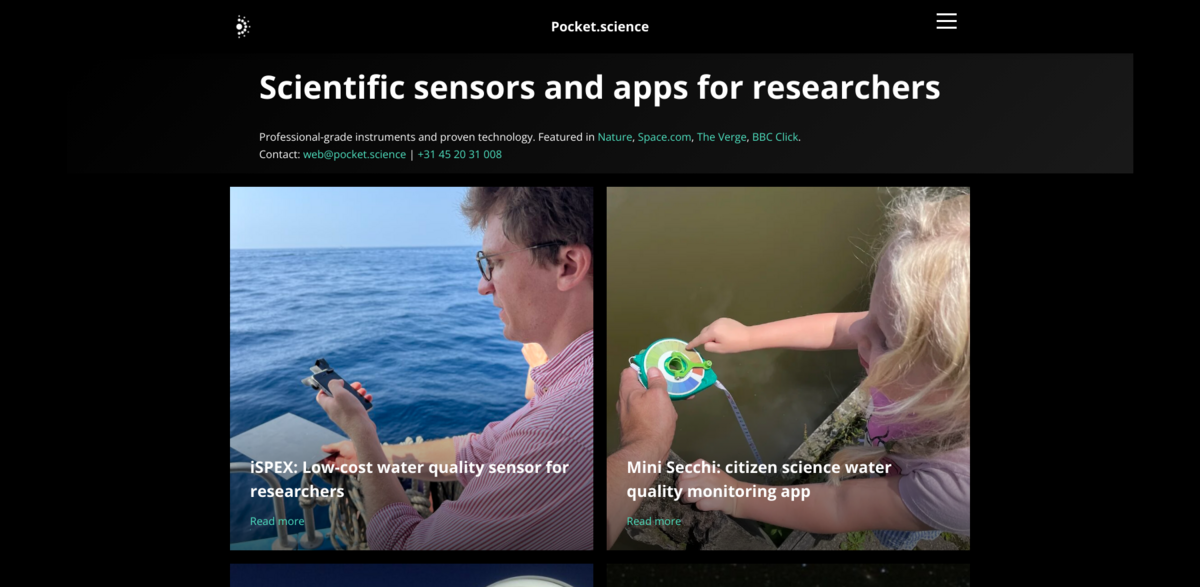
Rather than treating wastewater as a disposal problem, these projects treat it as a resource. Glanua (formerly BHSL), based in Ireland, designs, builds, and operates water and wastewater infrastructure across the UK and Ireland for municipal and industrial clients, delivering decarbonised engineering solutions. APATEQ, based in Luxembourg, develops oil-water separation systems for on- and offshore oilfields, engineered for 100% water reuse with little to no chemical input, turning difficult-to-treat wastewater back into a usable resource. Pocket Science, a Netherlands-based spin-off of Leiden University’s citizen-science research, built iSPEX2, a smartphone tool that turns a phone into a research-grade water-reflectance sensor, validated by Plymouth Marine Laboratory researchers in 2025 field campaigns.
Utilities & Advocacy
Water.org, a global nonprofit co-founded by Gary White and Matt Damon, has spent over three decades closing the financing gap for water access, using small, affordable loans to help households in poverty turn on a tap or install a toilet, working through a network of partners worldwide. On the advocacy side, Extinction Rebellion‘s UK chapter runs direct-action campaigns including “Don’t Pay for Dirty Water,” pushing utilities and regulators to address sewage pollution in UK waterways.

Access & Consumer Products
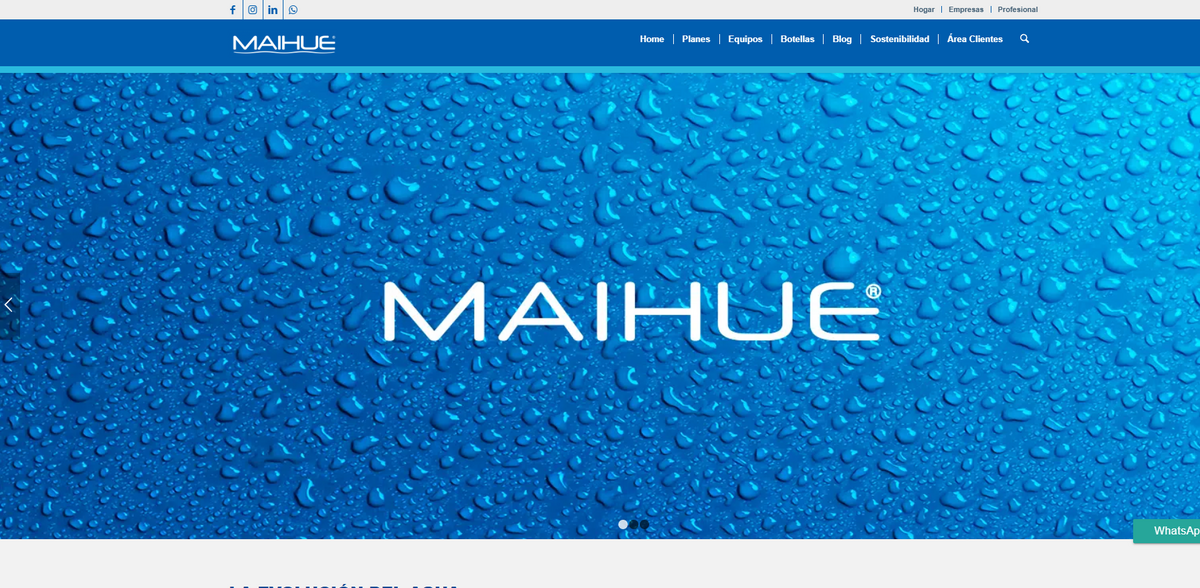
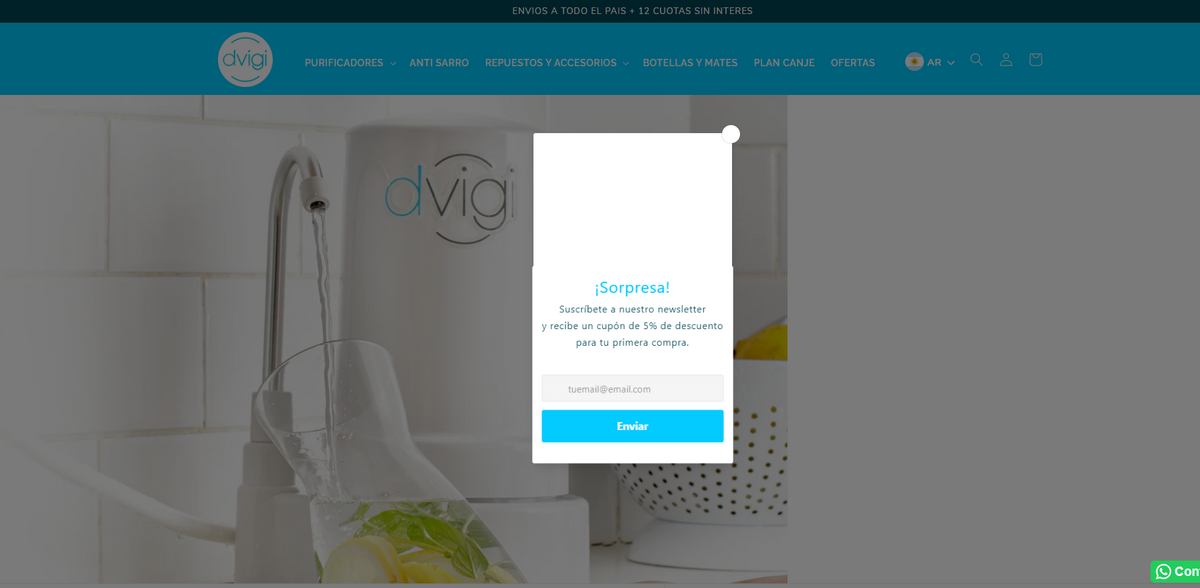
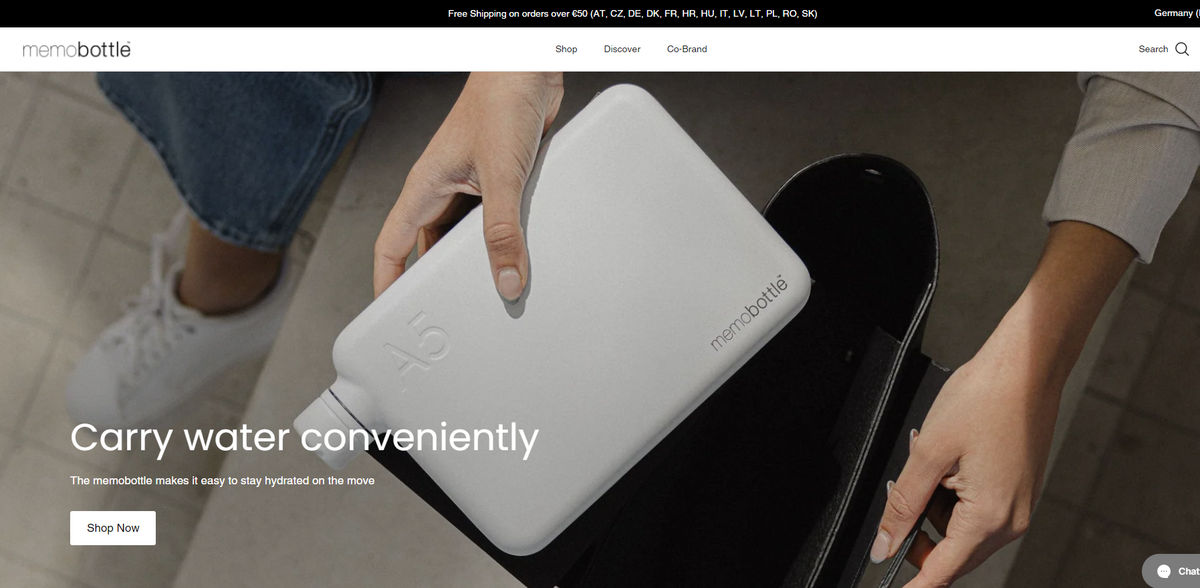
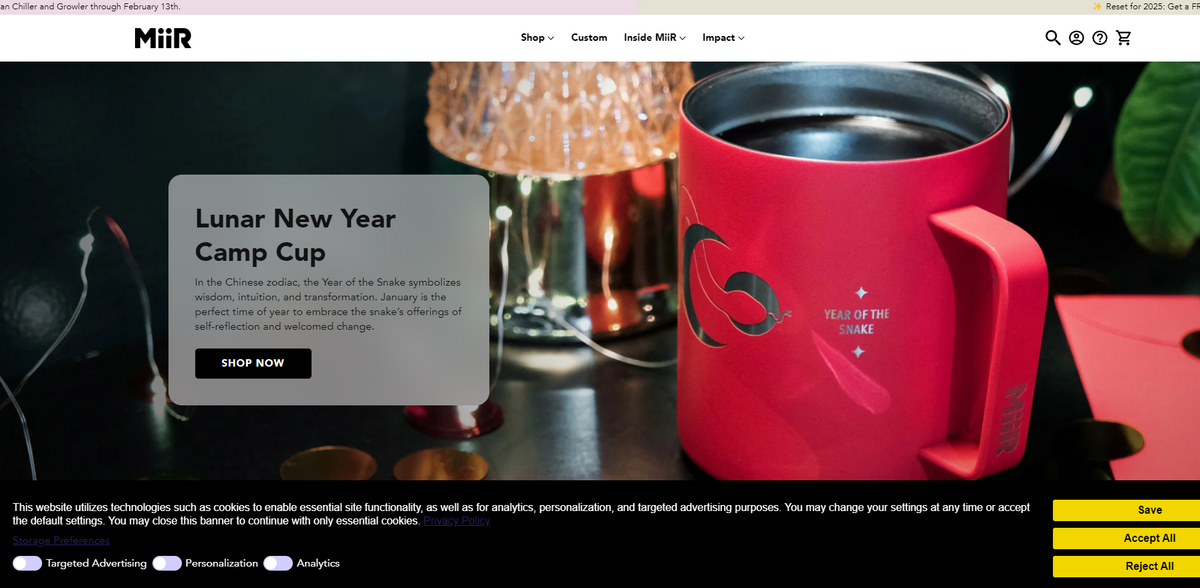
The remaining projects put clean water access directly in people’s hands. Maihue, based in Santiago, Chile, plumbs purification dispensers directly into a building’s existing water network, eliminating the need for refillable bottles at home, in offices, and in restaurants. DVIGI, an Argentine company founded in 1989 and 90% women-owned and led, makes residential water purification systems covering chlorine, arsenic, hardness, and bacteria/virus removal. memobottle, founded in Melbourne in 2014, makes slim reusable bottles and donates $1 per order to Water.org, funding over 50 million days of safe water to date. MiiR, a Seattle drinkware brand founded in 2010, has donated over $5.6 million through its “Give Code” model, including a decade-long partnership with One Day’s Wages that has funded 45+ water projects. JUST Goods sells sustainably packaged bubbly and still water as a lower-footprint alternative to conventional bottled water. PSA, operating under parent company Industrias Pugliese in Argentina since 1990, is a Certified B Corporation selling water and air purification products through a network of independent distributors.
All 14 Projects
Frequently asked questions
What is SDG 6?
SDG 6, Clean Water and Sanitation, is one of the United Nations’ 17 Sustainable Development Goals. It targets universal, safe, and affordable drinking water, adequate sanitation and hygiene, and improved water quality and use efficiency by 2030.
Why does water loss from leaks matter for sustainability?
Treated, potable water that leaks out of aging pipe networks before reaching a customer represents wasted energy and treatment resources, not just wasted water. Utilities in this roundup, including BuntBrain and Flowplan, use sensors and AI to catch leaks that would otherwise go undetected for months.
How do consumer water bottle brands connect to SDG 6?
Several projects here, including memobottle and MiiR, pair a reusable product with a direct giving mechanism tied to water access nonprofits like Water.org and One Day’s Wages, funding wells and water infrastructure with a share of every sale.
What is water reuse, and why does it matter for industry?
Water reuse treats wastewater from industrial processes, like oilfield operations, so it can be used again instead of discharged or sourced fresh. APATEQ’s systems, for example, are engineered for 100% water reuse in oil-water separation.
How does microfinance help expand water access?
Organizations like Water.org provide small, affordable loans that let households in poverty pay for a water connection or toilet upfront, rather than requiring them to save for years, closing a financing gap that keeps millions without safe water at home.
Are any of these projects certified by independent organizations?
Several are. Flowplan holds the Solar Impulse Efficient Solution label, memobottle, MiiR, and Maihue are B Corp certified, and Novamem is ISO 9001 certified for its manufacturing operations.

Arnaud Michel is the founder and curator of Keys for Tomorrow. In 2014, his master’s thesis on community currencies and sustainable development won the Prix Recherche at Belgium’s Prix de l’Économie Sociale; the research was later published in Ecological Economics (Elsevier, 2015). He curates this directory to the same standard, cross-checking every project against B Corp, 1% for the Planet, and Solar Impulse Foundation records. Connect on LinkedIn.