
Three ways organizations are protecting life on land
SDG 15 aims to protect, restore, and promote sustainable use of terrestrial ecosystems, by 2030. Looking across 660 real projects tracked on this platform, three distinct approaches keep recurring.
Land health depends on three things. Giving forests and soil an economic reason to stay intact, farming in a way that regenerates rather than depletes, and materials science that reduces the pressure land ecosystems face in the first place. Looking at real organizations instead of policy language, three approaches keep showing up.
1 Give forests and land an economic reason to stay standing
Land is often cleared because standing forest has no measurable value to the landowner. Carbon markets exist specifically to change that calculation, turning intact ecosystems into a monetizable asset. This directly serves target 15.2’s sustainable land management mandate by making conservation the economically rational choice, not just the ethical one.



2 Farm in a way that regenerates instead of depletes
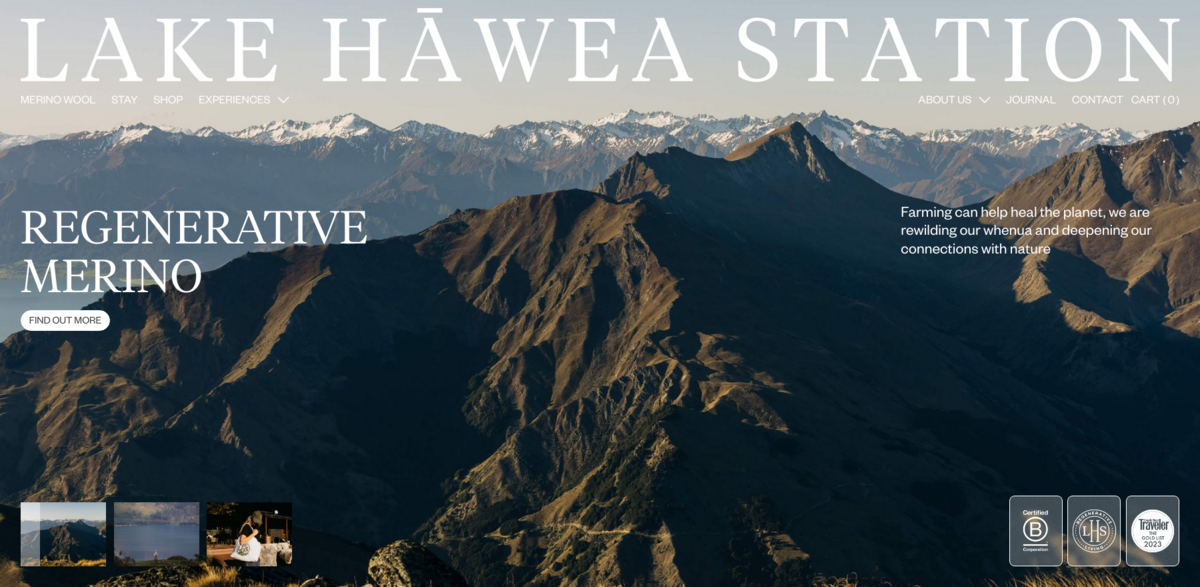
Agriculture is one of the largest drivers of land degradation named in target 15.3. But it doesn’t have to be. Regenerative farming and ethically sourced land products prove a working farm can rebuild soil health rather than exhaust it. It can still operate as a genuine commercial business.


3 Reduce the material pressure land ecosystems are under
Some of the most effective land protection never touches a forest directly. It’s materials science that reduces demand for virgin land resources, or satellite monitoring that catches degradation before it becomes irreversible. This is target 15.9’s push to integrate ecosystem values into planning, applied through better inputs and better data.



What the UN’s own targets actually require
- 15.1 — Ensure the conservation and restoration of terrestrial and freshwater ecosystems
- 15.2 — Promote sustainable land management to avoid land degradation
- 15.3 — Combat desertification, restore degraded land, and halt biodiversity loss
- 15.5 — Take urgent action to reduce the degradation of natural habitats
- 15.9 — Integrate ecosystem and biodiversity values into national and local planning
Frequently asked questions about SDG 15
What is SDG 15?
SDG 15: Life on Land is the fifteenth of the United Nations’ Sustainable Development Goals under Agenda 2030. It focuses on the protection, restoration, and sustainable use of terrestrial ecosystems, including forests, biodiversity, and combating land degradation.
Why is SDG 15 important?
The land ecosystem is vital for human well-being, providing food, clean air, water, and biodiversity. Protecting life on land is crucial for combating climate change, ensuring food security, and preserving natural resources.
What are the key targets of SDG 15?
Conservation and restoration of terrestrial and freshwater ecosystems; sustainable land management; combating desertification and halting biodiversity loss. Also reducing degradation of natural habitats, and integrating ecosystem values into planning.
How does SDG 15 relate to Agenda 2030?
SDG 15 is linked to climate action (SDG 13), life below water (SDG 14), responsible consumption (SDG 12), and poverty reduction (SDG 1). Healthy land ecosystems underpin agriculture, biodiversity, and climate resilience.
What are the biggest challenges to achieving SDG 15?
Deforestation and loss of forests, and land degradation from unsustainable agriculture. Also desertification in arid regions, and biodiversity loss from habitat destruction and pollution.
How can governments help achieve SDG 15?
Governments can enforce sustainable land management and conservation policies, promote reforestation, strengthen anti-deforestation regulations, and invest in sustainable agriculture.
What role do businesses play in SDG 15?
Businesses can adopt sustainable land-use strategies, support biodiversity conservation and forest restoration, minimize land pollution, and ensure deforestation-free supply chains. The three approaches above are what that looks like in practice.
How can individuals contribute to SDG 15?
Support sustainable products and companies, and plant trees or donate to restoration efforts. Also reduce consumption of land-harming resources like unsustainable palm oil, and advocate for biodiversity protection policy.
How is progress on SDG 15 measured?
The UN tracks deforestation rates and forest cover restoration, land degradation and desertification levels, biodiversity preservation, and sustainable land-use practices.
Can SDG 15 be achieved by 2030?
Significant progress is possible. But deforestation, land degradation, and biodiversity loss require urgent, coordinated action, strong policy, and sustained investment to hit the 2030 target.
Related goals
Every organization above is one of 660 real, catalogued SDG 15 projects on this platform.
Explore the full list →Sourced from Keys for Tomorrow’s project catalog and the UN Sustainable Development Goals framework (sdgs.un.org).