
Three ways organizations are building more livable cities
SDG 11 aims to make cities and human settlements inclusive, safe, resilient, and sustainable, by 2030. Looking across 1,635 real projects tracked on this platform, three distinct approaches keep recurring.
More than half the world lives in cities, and the biggest gains come from three places: the buildings people spend most of their time in, how they get around, and what happens to what a city consumes and discards. Looking at real organizations instead of policy language, three approaches keep showing up.
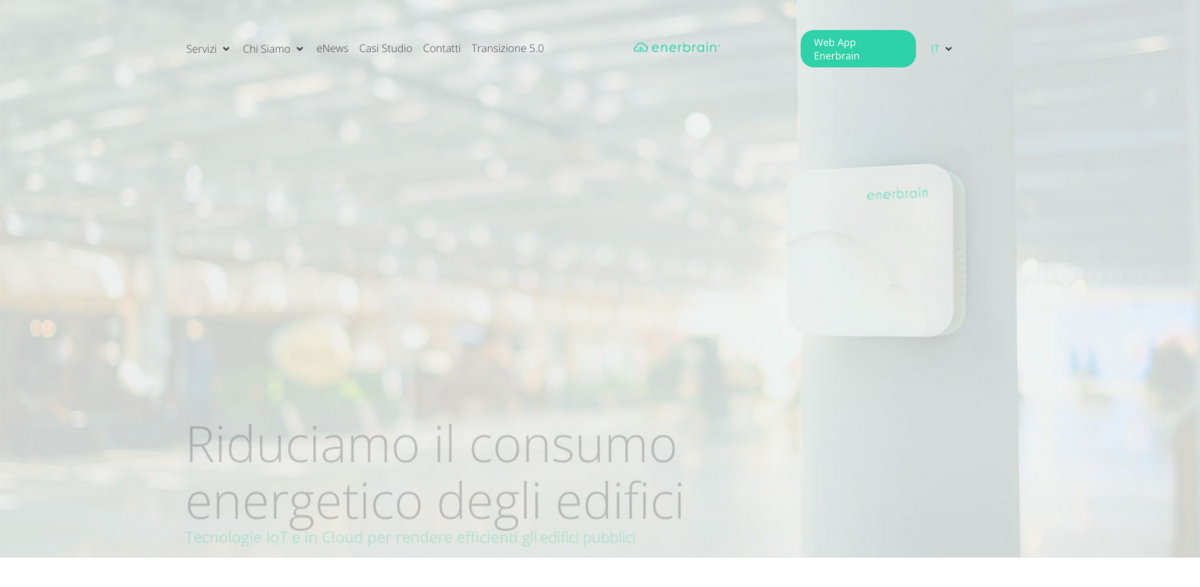
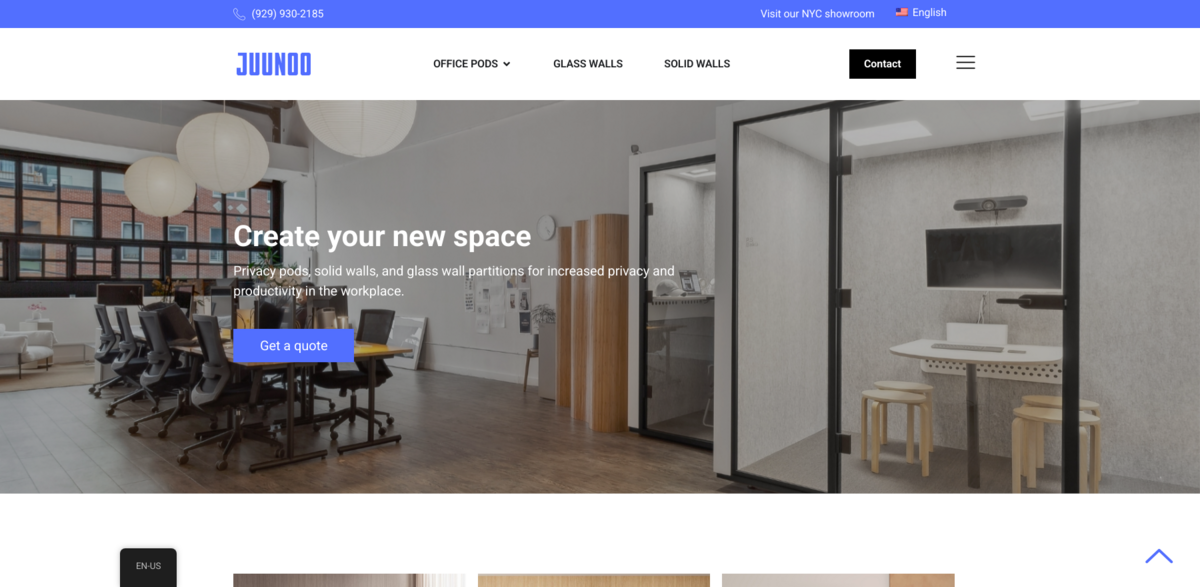
1 Make the buildings people already occupy more efficient
Existing building stock is where most urban energy use actually happens — retrofitting it is slower than building new, but it reaches every resident immediately rather than only future tenants. This is target 11.6’s environmental-impact mandate applied at the building level, where smart energy management can cut consumption without anyone moving.

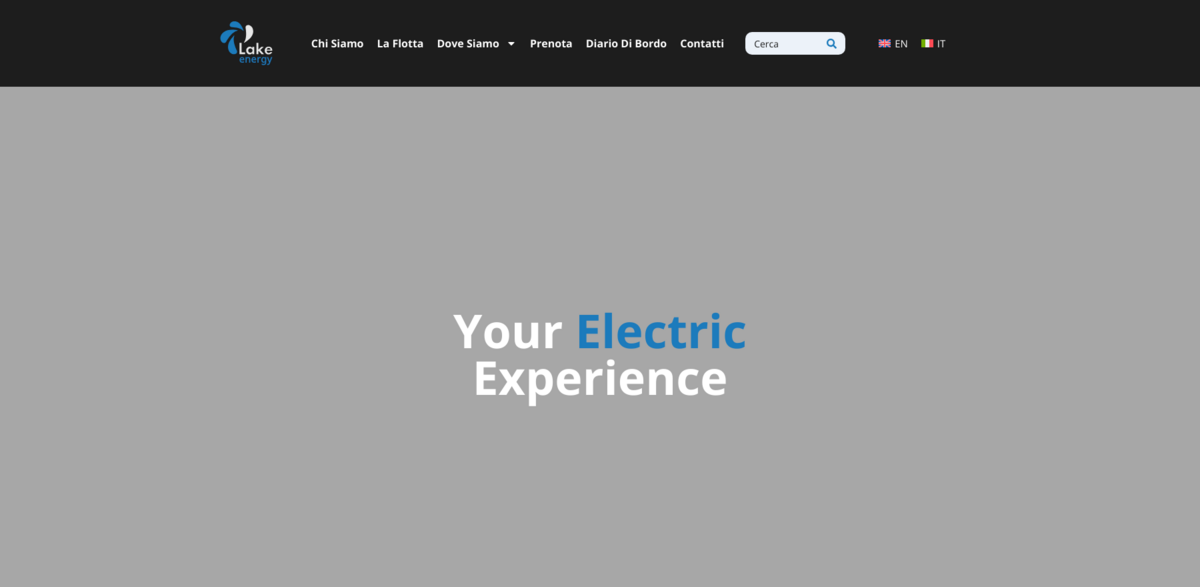
2 Give people a real alternative to the private car
Transport is one of the most visible parts of a city’s environmental footprint, and it’s also one of the most solvable with better shared infrastructure rather than individual behavior change. Green mobility and car-sharing models are what target 11.2’s push for sustainable, accessible transport systems looks like once it becomes a service people actually choose.
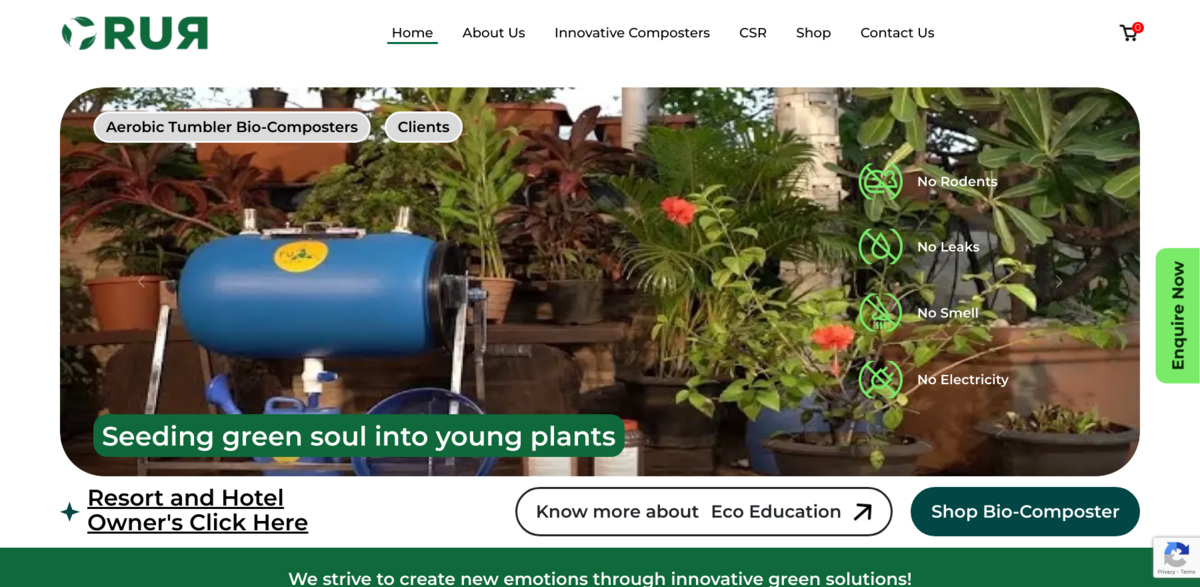
3 Manage what a city consumes and throws away
Beyond buildings and transport, cities generate enormous volumes of waste and depend on soil and infrastructure most residents never think about until it fails. Fixing these background systems is what target 11.6’s waste-management mandate actually requires operationally, well outside the visible parts of a skyline.


What the UN’s own targets actually require
- 11.1 — Ensure access to safe, affordable housing and basic services for all
- 11.2 — Provide access to sustainable and accessible transport systems
- 11.3 — Promote participatory planning for sustainable urbanization
- 11.6 — Reduce the environmental impact of cities, including air quality and waste management
- 11.a — Support positive economic, social, and environmental links between urban and rural areas
Frequently asked questions
What is SDG 11?
SDG 11: Sustainable Cities and Communities is the eleventh of the United Nations’ Sustainable Development Goals, focused on ensuring cities and human settlements are inclusive, safe, resilient, and sustainable.
Why is SDG 11 important?
With more than half the world’s population living in cities, urbanization puts immense pressure on resources, infrastructure, and the environment. SDG 11 promotes urban resilience and sustainability, ensuring livable cities for all.
What are the key targets of SDG 11?
Access to safe, affordable housing and basic services; access to sustainable transport systems; participatory sustainable urban planning; reducing cities’ environmental impact including air quality and waste; and stronger urban-rural links.
How does SDG 11 relate to Agenda 2030?
SDG 11 contributes to a broader Agenda 2030 by addressing sustainable urban development and livability. It’s closely connected to SDG 9 (Industry, Innovation, and Infrastructure) and SDG 13 (Climate Action).
What are the biggest challenges to achieving SDG 11?
Rapid urbanization leading to overcrowded, poorly planned cities, insufficient infrastructure, inequalities in housing and transport access, and environmental degradation from pollution and unsustainable building practices.
How can governments help achieve SDG 11?
Governments can implement sustainable urban planning policies, invest in renewable energy and green infrastructure, ensure affordable and inclusive housing, and improve public transportation.
What role do businesses play in SDG 11?
Businesses can develop eco-friendly buildings and energy-efficient systems, invest in smart city technology, and partner with local governments on affordable, climate-resilient communities — the three approaches above are what that looks like in practice.
How can individuals contribute to SDG 11?
Support sustainable building and urban initiatives locally, adopt eco-friendly habits like public transport or cycling, advocate for green spaces and affordable housing, and engage in local infrastructure projects.
How is progress on SDG 11 measured?
Progress is tracked using access to affordable housing, availability of sustainable transportation, environmental quality and waste management, and how well climate mitigation is integrated into urban planning.
Can SDG 11 be achieved by 2030?
With increased global cooperation, investment in sustainable infrastructure, and inclusive urban planning, it’s possible — but governments, businesses, and individuals must act urgently to overcome current urban challenges.
Related goals
Every organization above is one of 1,635 real, catalogued SDG 11 projects on this platform.
Explore the full list →Sourced from Keys for Tomorrow’s project catalog and the UN Sustainable Development Goals framework (sdgs.un.org).