What is FabBRICK?
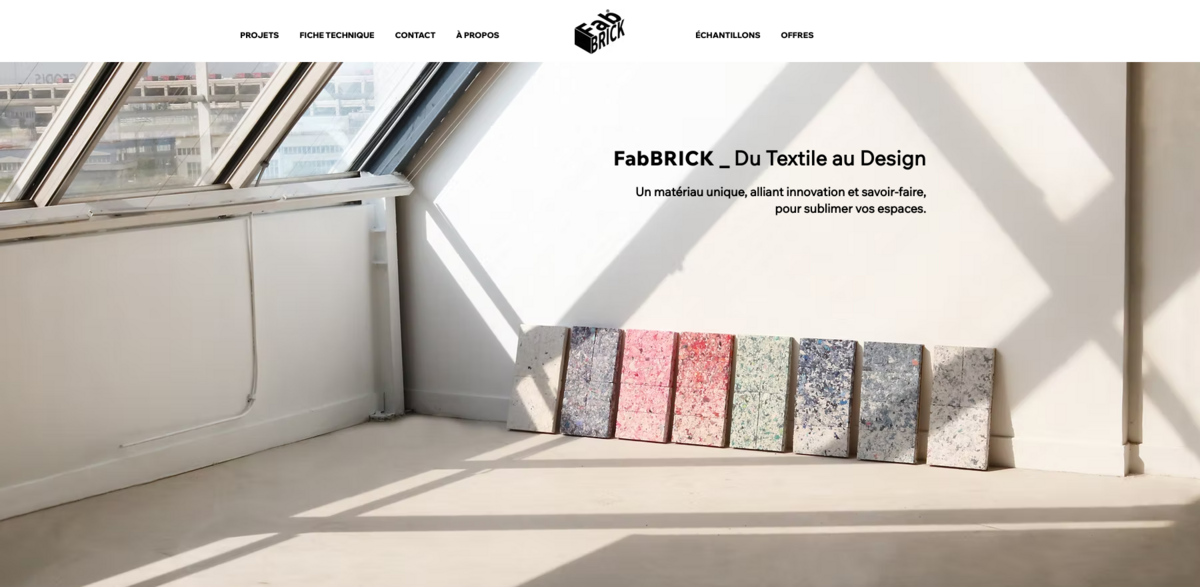
FabBRICK is an innovative project that creates a unique material—a brick made entirely from textile. This isn’t just any brick; it’s designed to decorate interiors and even craft furniture. The magic lies in transforming daily textile waste into bricks of various shapes and colors. Using this material, spaces are designed and furniture is created with your own textile. The technology behind FabBRICK, patented in 2019, can adapt to all types of textile, making it a versatile and eco-friendly solution.
Main Benefits of FabBRICK
FabBRICK offers several key advantages that make it stand out:
- Transforms daily textile waste into durable bricks
- Bricks come in different shapes and colors, allowing for creative design
- Technology patented in 2019, ensuring innovation and reliability
- Adaptable to all types of textile, expanding usability
- Supports interior decoration and furniture making with personalized textiles
Addressing Textile Waste Challenges
One of the core missions of FabBRICK is to help companies manage and reuse their textile waste. The project raises awareness about the huge potential recycling holds and challenges those who produce waste to rethink their habits. Interestingly, FabBRICK sends companies back the textile waste they produce—after transforming it into design products or interior fittings. This way, companies can literally see how much waste they generate each year… and maybe start thinking twice.
From Artisanal to Industrial Production
Currently, FabBRICK’s manufacturing process is artisanal, which means it’s handcrafted and local. But the goal is to upgrade this process towards an industrial method of production. The challenge? Maintaining local and regional setups while scaling up. This balance aims to keep the project’s community roots intact, even as it grows and reaches more clients.
Local Reach and Client Support
At present, FabBRICK provides all its materials and tools to clients within a 100-kilometer radius. This local focus ensures close collaboration and quality control. It also supports regional economies and reduces the carbon footprint associated with long-distance shipping. The project’s commitment to local engagement is a key part of its identity.
FabBRICK’s Impact on Sustainable Development Goals (SDGs)
- SDG 12: Responsible Consumption and Production
- SDG 11: Sustainable Cities and Communities
- SDG 9: Industry, Innovation, and Infrastructure
- SDG 13: Climate Action
- SDG 17: Partnerships for the Goals
Looking Ahead: The Future of FabBRICK
FabBRICK is more than just a product; it’s a movement towards sustainable design and circular economy. By turning textile waste into beautiful, functional bricks, it challenges traditional manufacturing and waste management. The project invites everyone—from companies to individuals—to rethink waste and embrace innovation. As it evolves, FabBRICK aims to expand its reach, improve production methods, and inspire a new way of creating spaces and furniture that truly respect the planet.
What FabBRICK actually does
FabBRICK is a Paris-based company founded in 2019, manufacturing design cladding bricks made from recycled textile waste rather than conventional building materials. The bricks are marketed for interior spaces, combining a manufacturing process built around textile innovation with visible design craftsmanship.
Where the material shows up
- Textile cladding bricks: interior wall and surface cladding made entirely from recycled textile waste.
- Design applications: used to enhance interior spaces as a design material rather than a purely functional building product.
Why this belongs on a sustainability directory
FabBRICK connects to SDG 12 (responsible consumption and production) by converting textile waste, a material stream with limited conventional recycling pathways, into a usable building and design product.
Frequently asked questions
Where is FabBRICK based, and who uses it?
FabBRICK is based in Paris, France, founded in 2019. It sells design cladding bricks made from recycled textile waste to interior designers and businesses.
What is FabBRICK’s sustainability angle?
FabBRICK converts textile waste into cladding bricks, giving discarded textile material a second life as a building and design product.
How is FabBRICK verified as a sustainability project?
FabBRICK holds Solar Impulse Efficient Solution certification.
Looking for similar Waste & Recycling projects?
See Waste & Recycling projects on Keys for Tomorrow.