What is Bywater’s Low-Carbon Development Approach?
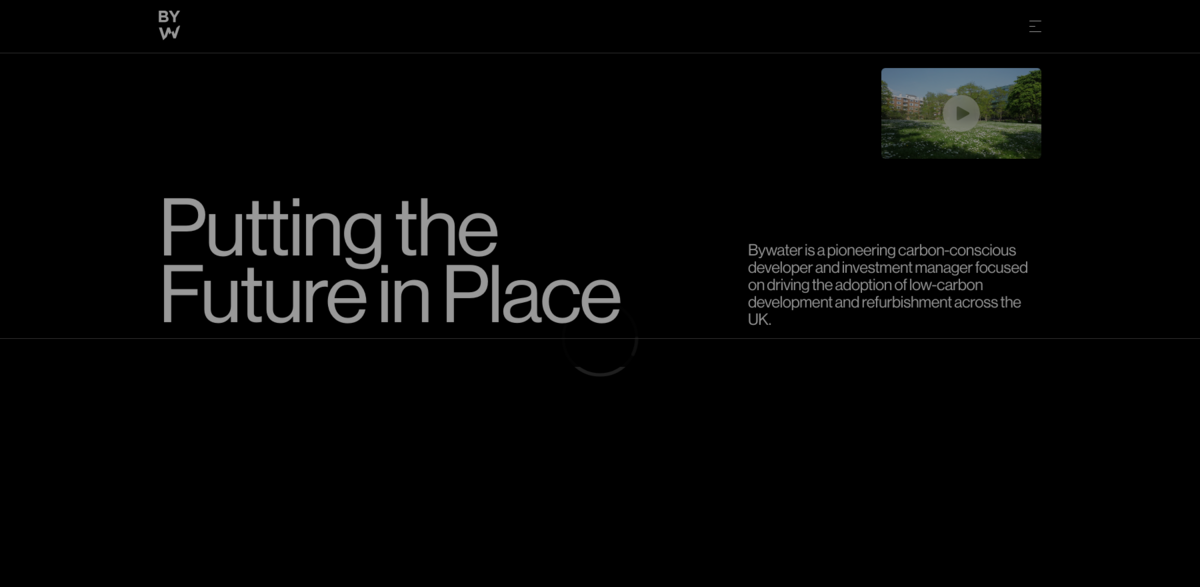
Bywater is shaking up the real estate scene as a pioneering carbon-conscious developer and investment manager. Their focus? Driving the adoption of low-carbon development and refurbishment across the UK. This isn’t just about building stuff — it’s about innovation and design that deliver exceptional residential and commercial projects with a lasting impact on the industry. They’re all about championing new ways of living and working, nurturing imaginative ideas, refurbishing where possible, and building responsibly. Timber and low-carbon technology? Always front and center in their projects.
The Main Benefit: Sustainable, Timber-Led Developments
Bywater’s twin-track approach tackles the housing and climate crises head-on, pushing the development of a new generation of Build to Rent (BTR) properties across the UK. Here’s a quick snapshot of what makes their projects stand out:
- Paradise SE11: A six-storey, 63,250 sq ft office with a timber structure that locks away around 60 years of tenant operating emissions.
- 35 Fountain Street, Manchester: Seven-storey office repositioning with refurbishment, two added floors, and roof gardens.
- 123 Golden Lane: 20,000 sq ft of premium office space over seven floors, including two brand-new timber floors.
- McLellan Works, Glasgow: An iconic block reimagined for today’s change-makers in a prime location.
- Projects are authentic and sympathetic to local areas, setting new standards in sustainable workspaces.
Design-Led Regeneration and Adaptive Reuse
Bywater’s projects breathe new life into heritage buildings through adaptive reuse and change-of-use strategies. Instead of tearing down, they retain existing structures and create new timber-led mid-rise developments. This approach not only preserves the character of local areas but also significantly reduces embodied carbon emissions. It’s a fresh take on regeneration that respects the past while building for a low-carbon future.
Commitment to Net-Zero and Circular Economy Principles
Net-zero carbon isn’t just a buzzword for Bywater — it’s a guiding principle aligned with the 1.5°C target and the UK Net Zero Carbon Building Standard. Their properties prioritize timber, a renewable and low-carbon material, and embed circular economy principles throughout. From building passports to de-mountability, every step is designed to minimize waste and maximize reuse. It’s about creating buildings that don’t just stand the test of time but actively contribute to a healthier planet.
Strategic Partnerships for Planet-Positive Outcomes
Bywater partners with institutional investors who share their mission, building long-term relationships rooted in purpose, performance, and planet-positive outcomes. These collaborations help scale their impact and ensure that sustainability isn’t an afterthought but a core part of every project. Together, they’re driving a shift in how real estate development can contribute to a better future.
Project Impact: Aligning with the Sustainable Development Goals (SDGs)
- SDG 11: Sustainable Cities and Communities – through low-carbon, timber-led urban regeneration.
- SDG 13: Climate Action – by committing to net-zero carbon and reducing embodied emissions.
- SDG 9: Industry, Innovation, and Infrastructure – via innovative design and adaptive reuse.
- SDG 12: Responsible Consumption and Production – embedding circular economy principles.
- SDG 17: Partnerships for the Goals – through strategic collaborations with investors.
Looking Ahead: Building a Legacy of Regeneration and Innovation
Bywater’s developments are more than just buildings — they’re a legacy. Using regenerative principles, the company actively works to make the future a better place through every project. With three prominent buildings recently acquired for timber-led re-use in Clerkenwell, Soho, and Manchester’s CBD, the future looks bright. It’s a bold vision that combines heritage, innovation, and sustainability to redefine what real estate development can achieve.