15 Solar Energy Projects Making the Sun Do More Work
·
Sustainability Directory
·
September 2026
Solar energy shows up in more places than rooftop panels. Some of the projects below engineer the utility-scale plants that feed entire grids. Others make solar accessible at the scale of a single household, a single meal, or a single off-grid shop. A few use the same sunlight for heat instead of electricity, or train the people who install and maintain the systems the others depend on. The 15 projects here, all listed in the Keys for Tomorrow directory, span nine countries and connect primarily to SDG7 (Affordable and Clean Energy), several also tied to SDG13 (Climate Action) and SDG4 (Quality Education).
Utility and industrial-scale solar
At the largest scale, solar energy is as much an engineering problem as an energy one. schlaich bergermann partner, a German structural engineering firm founded in 1980, designed the 1982 Manzanares solar-updraft-tower prototype and has since engineered utility-scale parabolic-trough plants in Spain and China, including the 50 MW AndaSol II plant that powers up to 200,000 people. Amplus Energy Solutions, in India, applies the same scale logic to industrial and commercial clients directly, operating 2.3+ GWp of solar capacity across 650+ projects under a zero-capex model where clients pay only for the electricity they use. Órigo Energia, described in press coverage as Brazil’s largest distributed solar platform, extends solar access to households and businesses that can’t install panels themselves, through a subscription-credit model.

Residential and plug-in solar
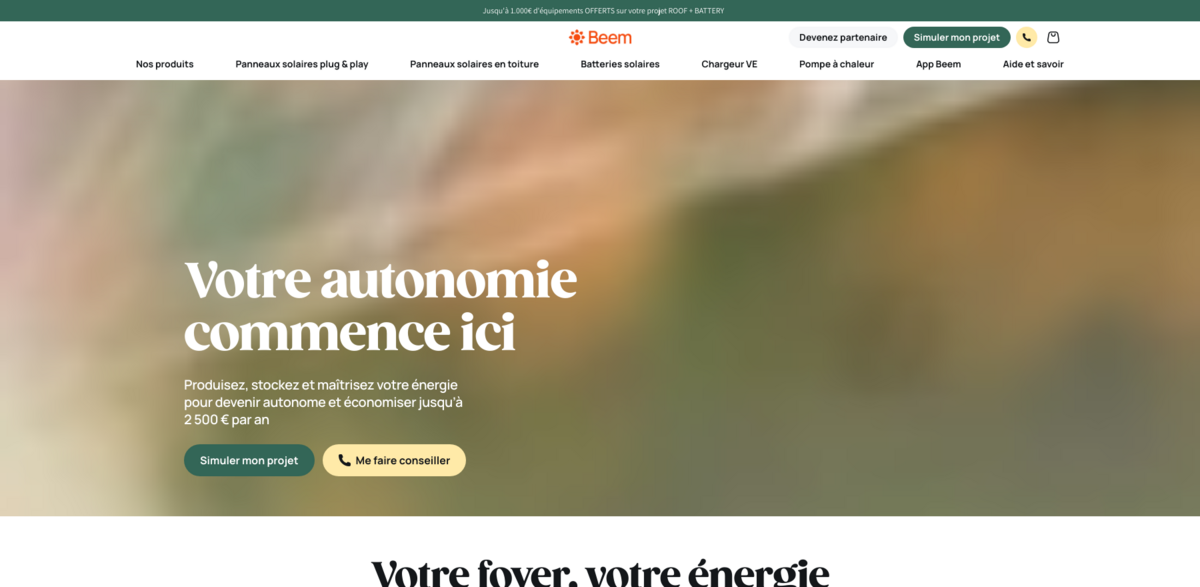
A second group focuses on making rooftop and household solar easier to actually get installed. Palmetto, in the US, bundles solar, battery, and home electrification into one service relationship, backed by thousands of published customer reviews. Beem, a French company, goes further, selling plug-and-play solar kits that connect straight into a household outlet without requiring an electrician for the base installation, backed by a €20M funding round.
Portable and off-grid solar
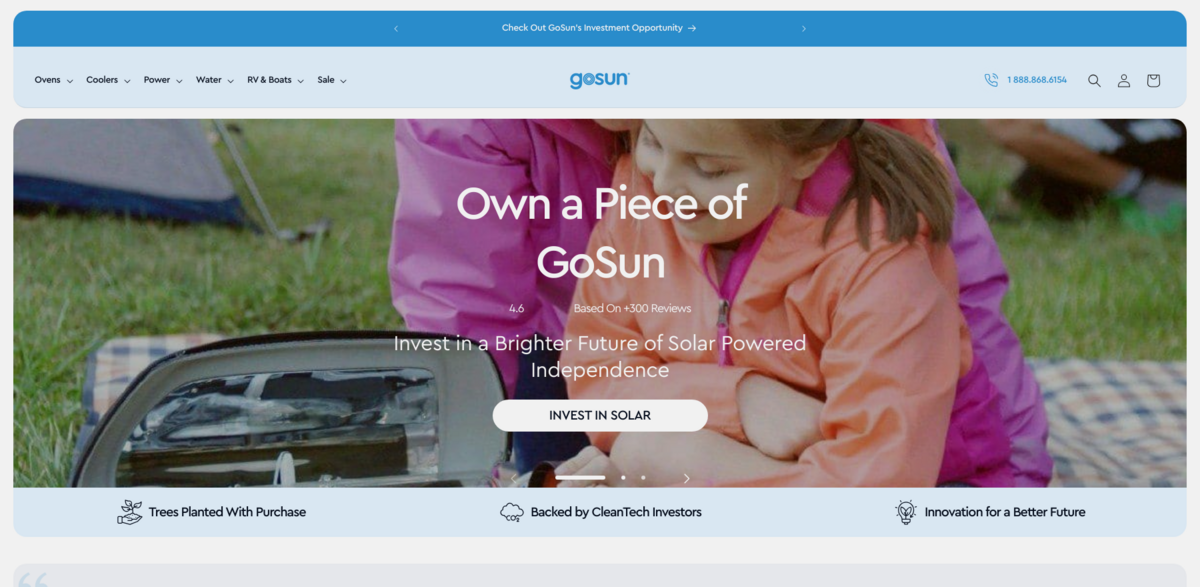
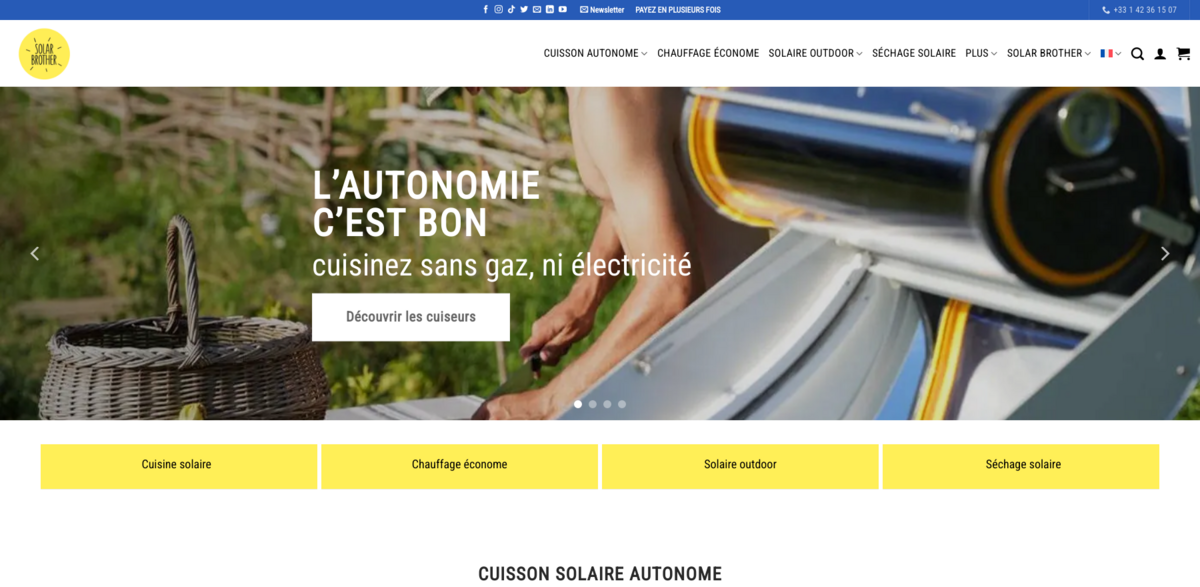
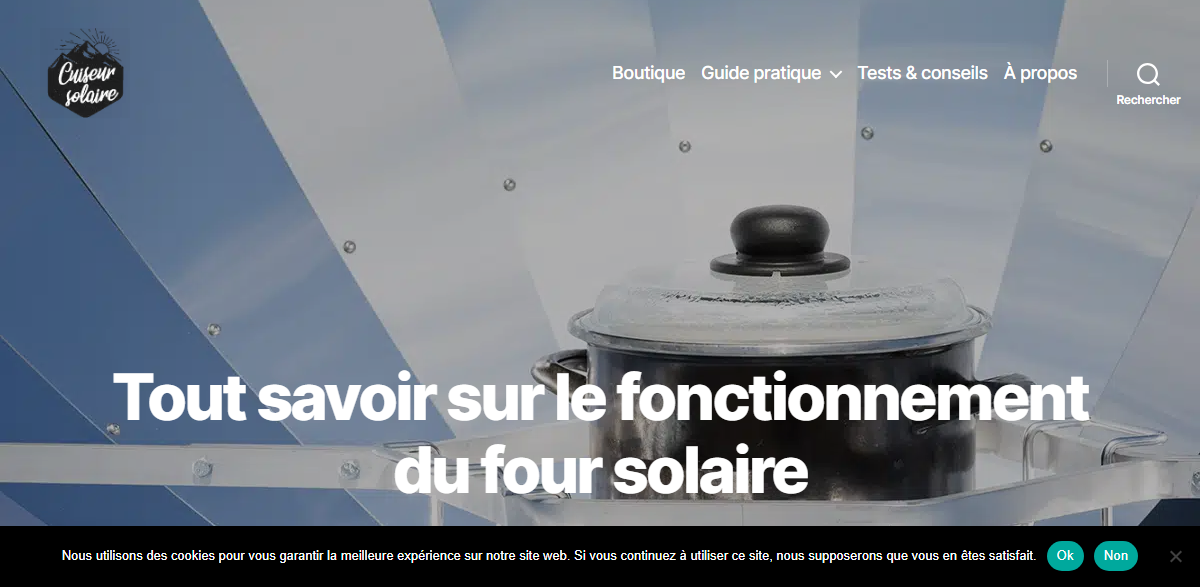
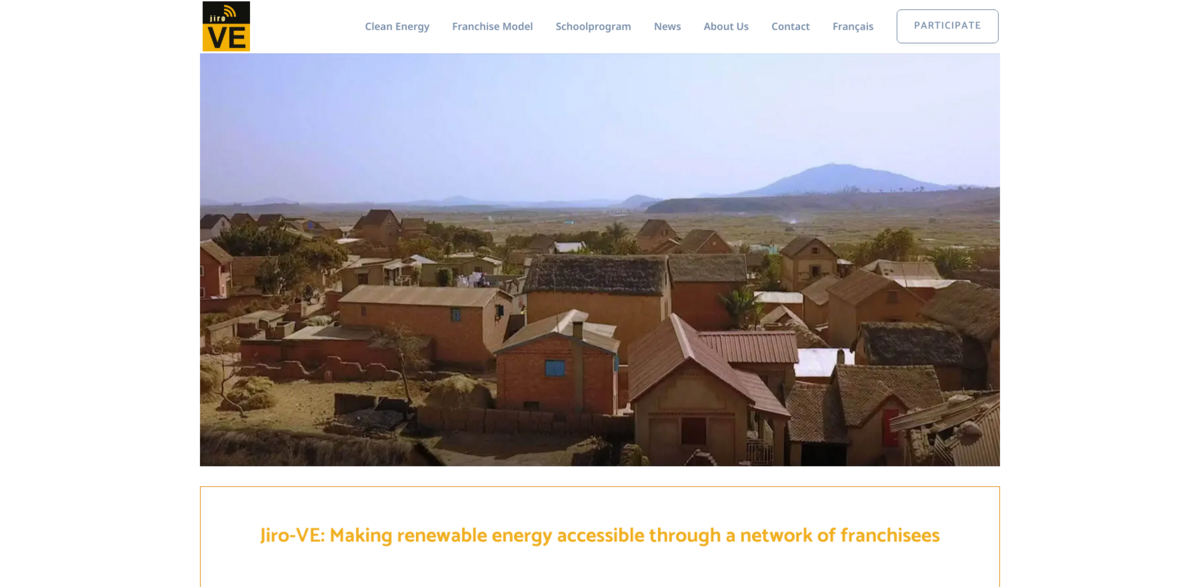
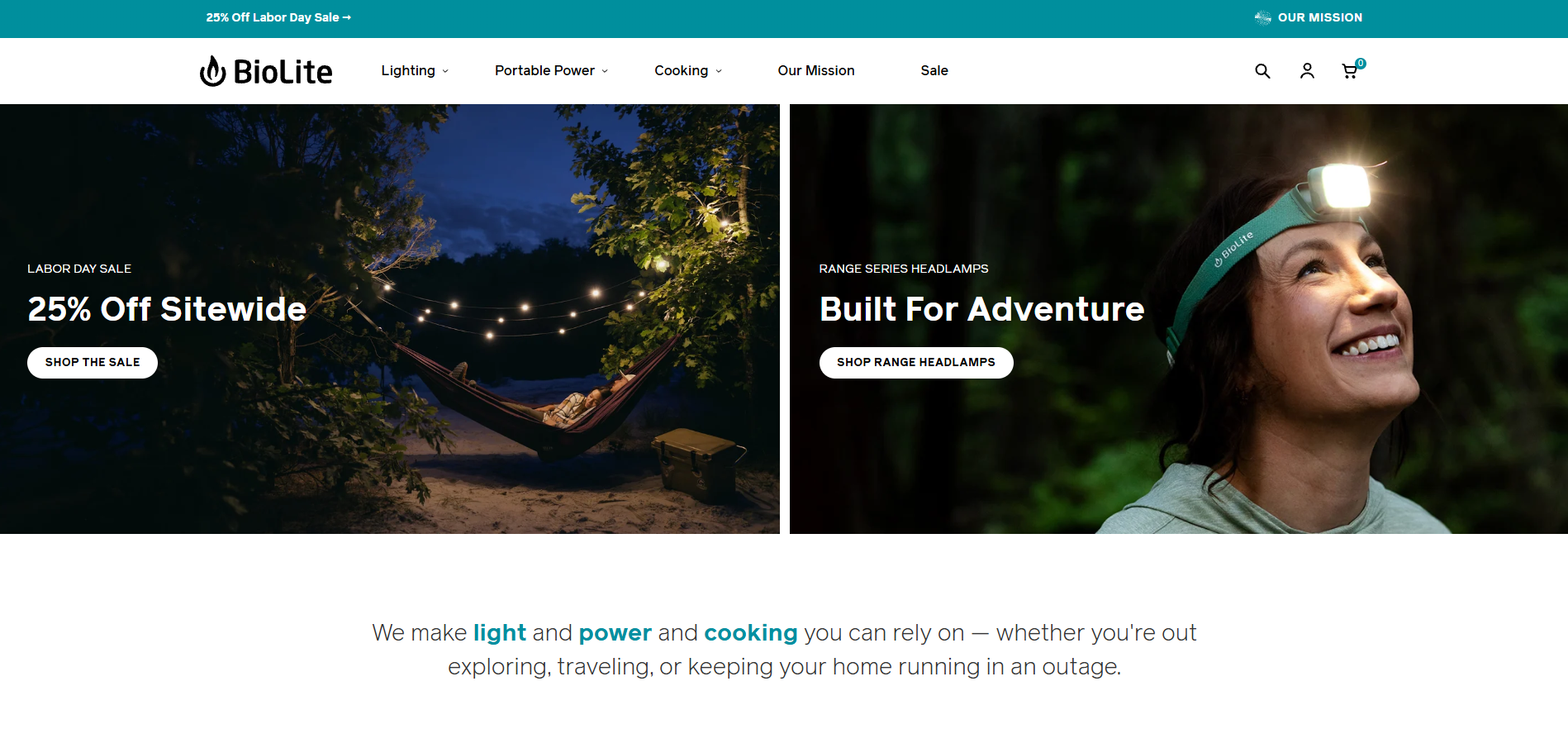
Away from the grid entirely, solar becomes a portable-equipment problem. GoSun, based in Cincinnati, has shipped over 180,000 solar ovens, coolers, and power stations to customers in 100+ countries, with products distributed through the United Nations and the American Red Cross in relief settings. Solar Brother, in France, makes a similar range of solar cookers and lighters, B Corp certified and Gold Medal winner at the Concours Lépine. cuiseur-solaire.com serves as a French-language buying guide for the same category of solar oven. Jiro Ve, in Madagascar, takes the off-grid model furthest, renting solar lanterns and power packs through 168 trained local franchisees, reaching close to 120,000 beneficiaries and electrifying 79 schools. BioLite rounds out the group with solar-charged outdoor lighting.
Solar heat and building efficiency
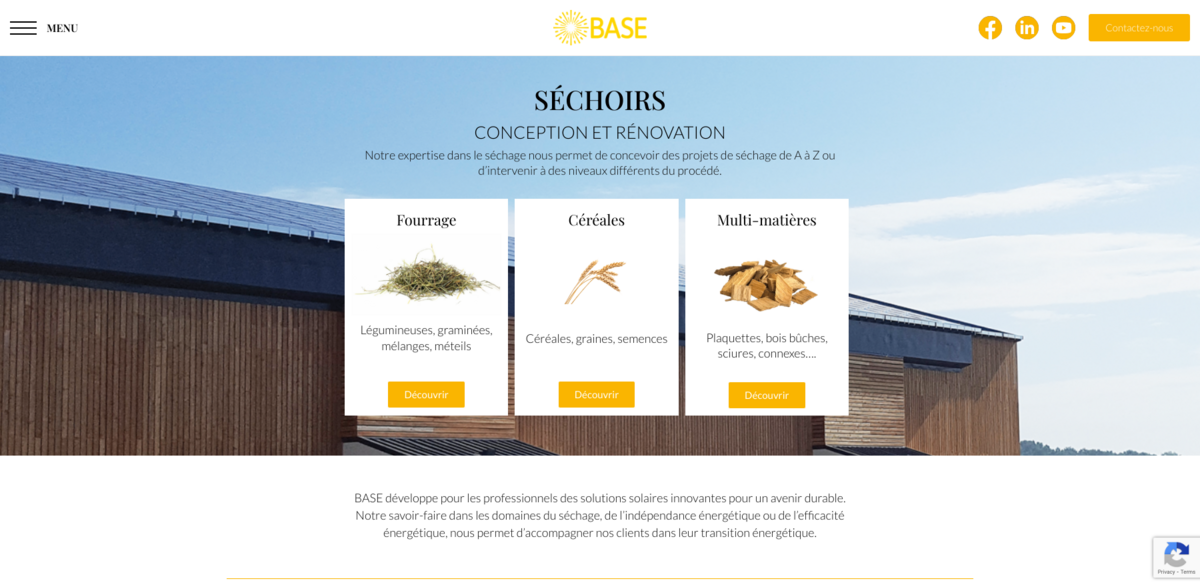
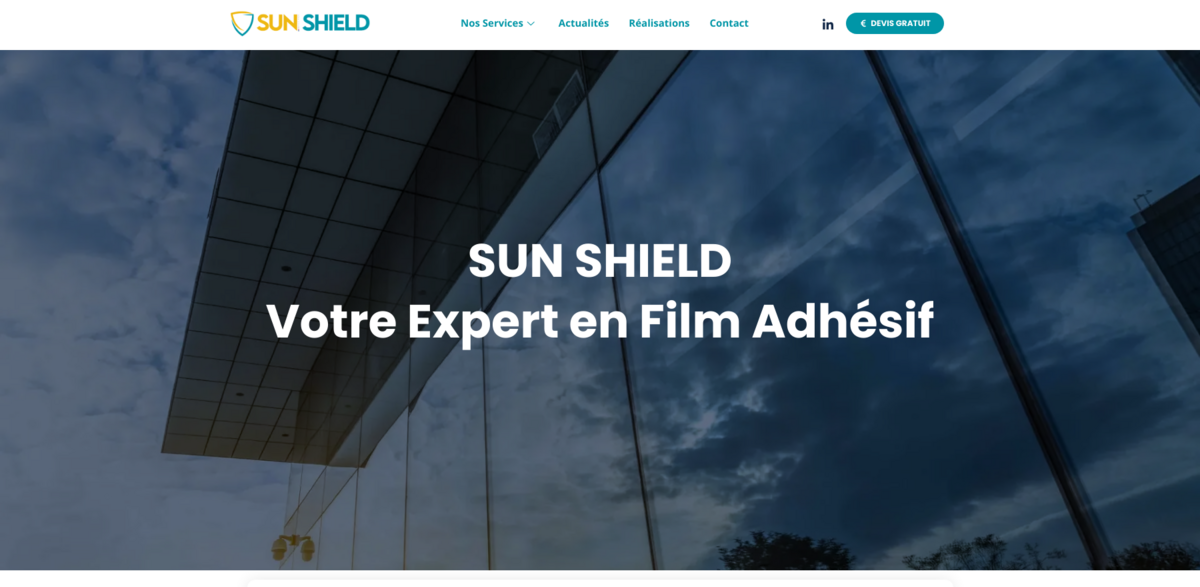
Not every solar project generates electricity directly. BASE, in France, makes Cogen’Air, a thermovoltaic panel that produces both electricity and usable heat, powering 60 agricultural and industrial drying installations. Sun SHIELD takes the opposite approach, reducing the cooling energy a building needs in the first place, its solar-control films block up to 85% of solar heat through glazing for clients including Hermès and the European Parliament.
Training and innovation
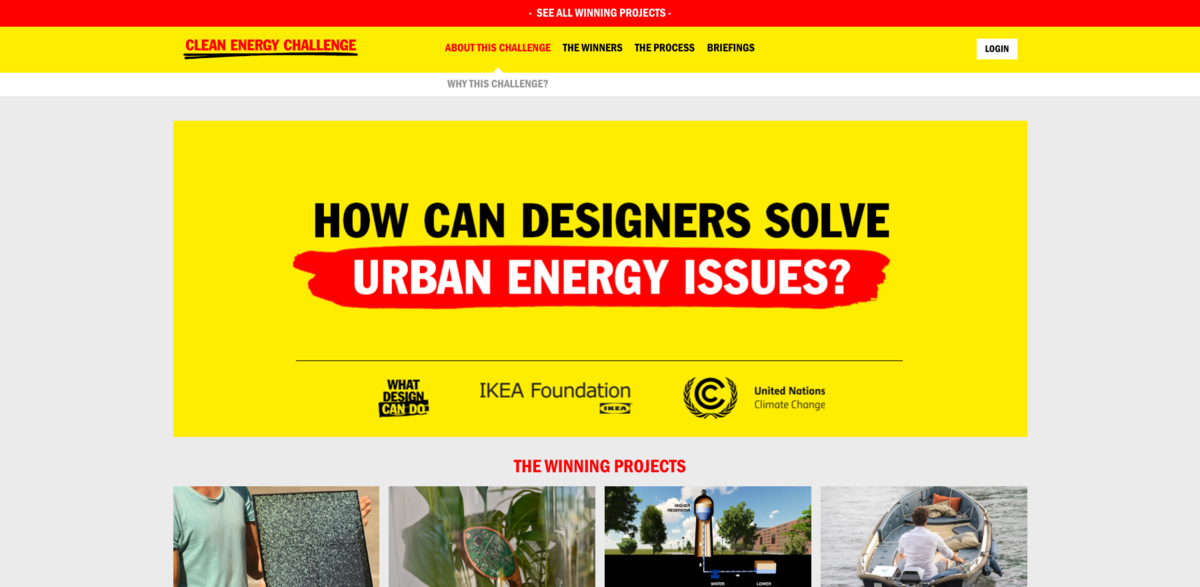
Solar adoption also depends on the people who design, sell, and maintain these systems. Elekt Solar Innovations, in Brazil, runs consulting and courses in photovoltaic solar energy, with immersive training held at a university photovoltaic laboratory. Clean Energy Challenge, run by the Amsterdam design nonprofit What Design Can Do, sources new clean-energy solutions globally, one documented edition drew 452 submissions from over 50 countries and named partners including the IKEA Foundation and Tesla.
All 15 projects
Frequently asked questions
What kinds of solar energy projects are included here?
Five categories: utility and industrial-scale solar engineering, residential and plug-in solar for homes, portable and off-grid solar equipment, solar heat and building-efficiency products, and training or innovation programs that support the wider solar sector.
Which SDGs do these solar energy projects support?
Nearly all connect to SDG7 (Affordable and Clean Energy). Several, including Amplus Energy Solutions, Jiro Ve, and the Clean Energy Challenge, also carry SDG13 (Climate Action) or SDG4 (Quality Education) for their emissions or education impact.
Are any of these projects certified or independently verified?
Yes. Órigo Energia and Solar Brother are both certified B Corps, Jiro Ve holds the Solar Impulse Efficient Solution Label, and cuiseur-solaire.com is listed in the Solar Impulse Foundation’s Ecosystem.
Do any of these projects reach off-grid communities?
Yes. Jiro Ve rents solar lanterns and power packs to off-grid households in Madagascar through a network of 168 trained local franchisees, reaching close to 120,000 beneficiaries and electrifying 79 schools.
Which of these projects work with named institutional partners?
Several do. GoSun’s products have been used by the United Nations and the American Red Cross, Jiro Ve is funded by USAID and Catholic Relief Services, and the Clean Energy Challenge counts the IKEA Foundation and Tesla among its named supporters.
Where can I see more solar energy projects on Keys for Tomorrow?
The full, continuously updated list is browsable on the Solar energy category page, part of the wider Energy category on the directory.

Arnaud Michel is the founder and curator of Keys for Tomorrow. In 2014, his master’s thesis on community currencies and sustainable development won the Prix Recherche at Belgium’s Prix de l’Économie Sociale; the research was later published in Ecological Economics (Elsevier, 2015). He curates this directory to the same standard, cross-checking every project against B Corp, 1% for the Planet, and Solar Impulse Foundation records. Connect on LinkedIn.