
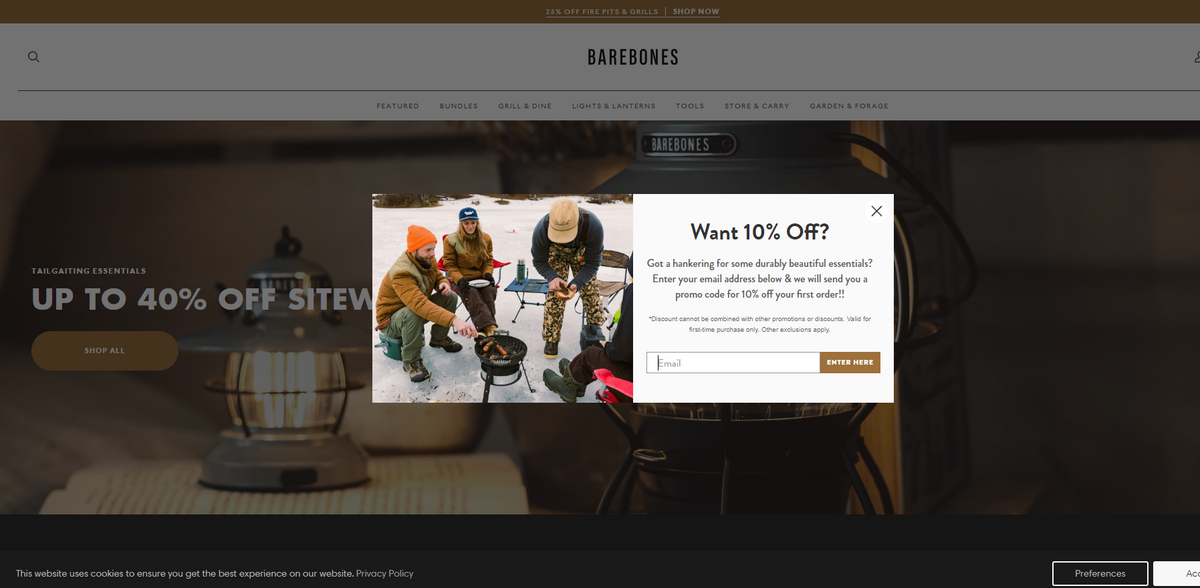
A Commitment to Sustainability and Quality
In a world where sustainability is becoming increasingly important, Barebones Living emerges as a brand that merges exquisite design with durability and essential functionality. Their offerings, which include cast iron cookware and vintage-inspired lighting, are meticulously crafted with a dedication to lasting quality. This article delves into Barebones’ sustainable objectives and how they align with the United Nations Sustainable Development Goals (SDGs).
- High-quality, durable products designed for a lifetime of use.
- Focus on sustainable materials and ethical manufacturing processes.
- Encouragement of outdoor living and connection with nature.
- Community engagement through food and nature-related activities.
- Support for environmental conservation and responsible sourcing.
The Essence of Barebones Living
Barebones Living is not just a brand; it embodies a lifestyle. The company is committed to creating products that enhance outdoor experiences while being environmentally friendly. Their cast iron cookware is built to last generations, reducing reliance on disposable alternatives. This focus on quality ensures that each item is both functional and aesthetically pleasing, suitable for any home or outdoor context.
Sustainable Materials and Ethical Practices
Central to Barebones’ philosophy is the use of sustainable materials. They prioritize sourcing from suppliers that adhere to ethical practices, ensuring that every product—from fire pits to gardening tools—is crafted from environmentally safe materials. By choosing Barebones, customers support a brand that places a high value on the planet and its resources.
Connecting with Nature
Barebones inspires people to venture outdoors and appreciate the beauty of nature. Their products are designed for outdoor living, whether for cooking over an open flame or nurturing a garden. This bond with nature is essential for mental and physical health. By promoting outdoor activities, Barebones cultivates a deeper appreciation for the environment and highlights the importance of its preservation.
Community Engagement and Education
Building strong community relationships is a fundamental value of Barebones. They provide resources, recipes, and tips for outdoor cooking and gardening, helping individuals maximize their use of Barebones products. This educational focus not only enriches the user experience but also fosters sustainable practices among customers. By sharing knowledge, Barebones empowers people to make informed choices that benefit both themselves and the environment.
Supporting Environmental Conservation
Barebones is committed to environmental conservation. Their products are developed to minimize waste and promote responsible consumption. By investing in high-quality, long-lasting items, customers lower their carbon footprint and contribute to a more sustainable future. Furthermore, Barebones actively engages in initiatives that support conservation efforts, reinforcing their commitment to the planet.
United Nations Sustainable Development Goals Linked to Barebones
- Goal 12: Responsible Consumption and Production
- Goal 13: Climate Action
- Goal 15: Life on Land
- Goal 11: Sustainable Cities and Communities
- Goal 3: Good Health and Well-being
For more information about Barebones and their commitment to sustainability, visit Barebones Living. You can also explore their video content on their website to see their products in action.
What Barebones Living actually does
Barebones Living makes durable outdoor living products, including cast iron cookware and garden tools, founded by Robert Workman and based in Utah, USA. The company grew out of philanthropic origins in emergency shelter design and is a Certified B Corporation.
“Barebones truly lives their mantra of elevating life outdoors.”
Gear.com
Why this belongs on a sustainability directory
Barebones Living connects to SDG12 (Responsible Consumption and Production) through its focus on durable, long-lasting outdoor products designed to reduce disposable consumption, and to SDG11 (Sustainable Cities and Communities) through its philanthropic roots in emergency shelter design.
Frequently asked questions
Where is Barebones Living based, and who uses it?
Barebones Living is based in Utah, USA, and sells durable outdoor living and gardening products direct to consumers.
Which SDGs does Barebones Living support, and how?
Barebones Living supports SDG12 (Responsible Consumption and Production) through durable, long-lasting product design intended to reduce disposable consumption, and SDG11 (Sustainable Cities and Communities) through its origins in emergency shelter design.
How is Barebones Living verified as a sustainability project?
Barebones Living is a Certified B Corporation, meeting B Lab’s standards for verified social and environmental performance.
Looking for similar Sustainable Supply Chains projects?
See Sustainable Supply Chains projects on Keys for Tomorrow.