
Three ways organizations are closing the waste gap
SDG 12 aims to ensure sustainable consumption and production patterns, by 2030. Looking across 6,072 real projects tracked on this platform — the largest catalog of any single goal — three distinct approaches keep recurring.
Responsible consumption plays out at every stage of an object’s life. What it’s made from, what it’s built to become once it wears out, and whether anyone along the supply chain can actually verify how it was produced. Looking at real organizations instead of policy language, three approaches keep showing up.
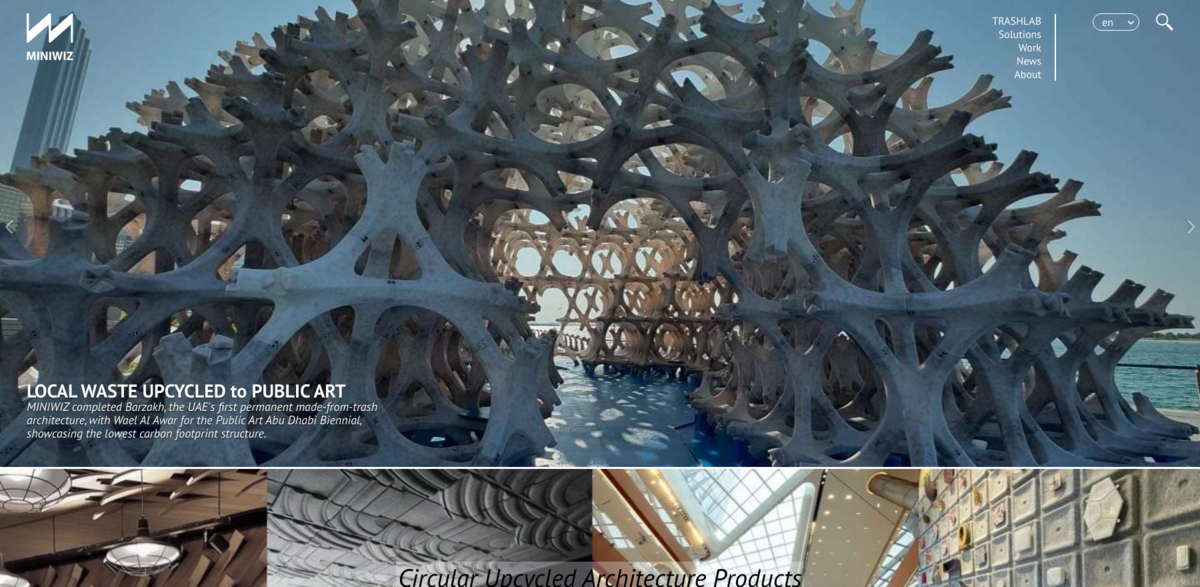
1 Turn what would be waste into a new material
The most direct circular-economy move is refusing to treat a used object as garbage — refurbishing it, or physically transforming waste into a new construction material. This is target 12.5’s waste-reduction mandate, applied at the most literal level. It means preventing something from entering the waste stream at all.


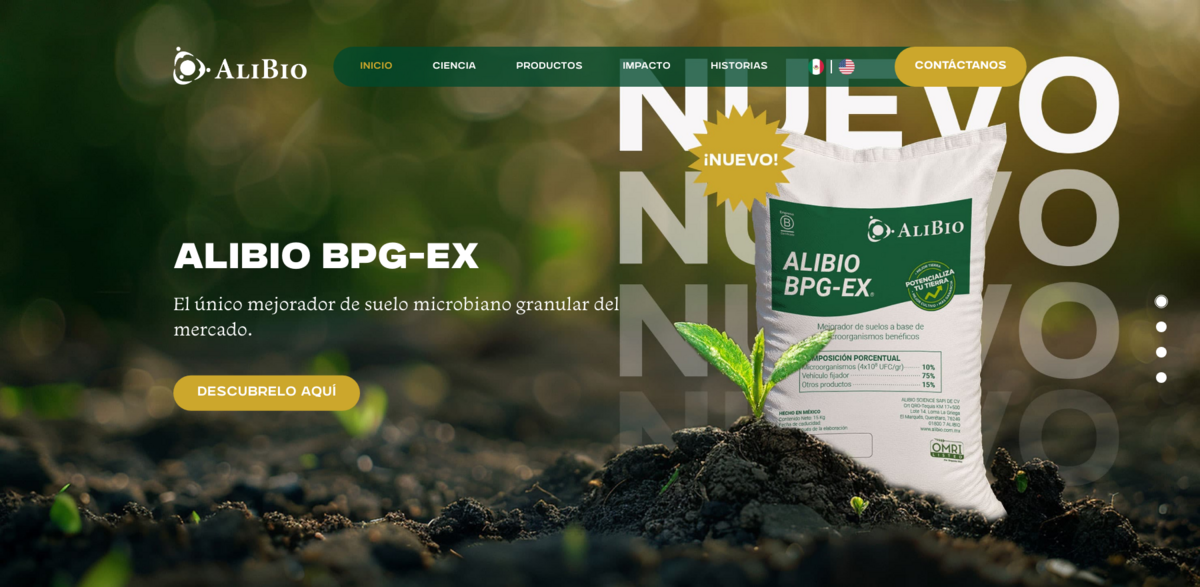
2 Design products to biodegrade or return to the soil
Some products are built specifically not to persist as waste at all. Think inputs that break down naturally, or agricultural products designed around soil health rather than depleting it. This is what target 12.1’s sustainable-consumption framework looks like when it’s built into the product itself. It’s not bolted on as a recycling step afterward.
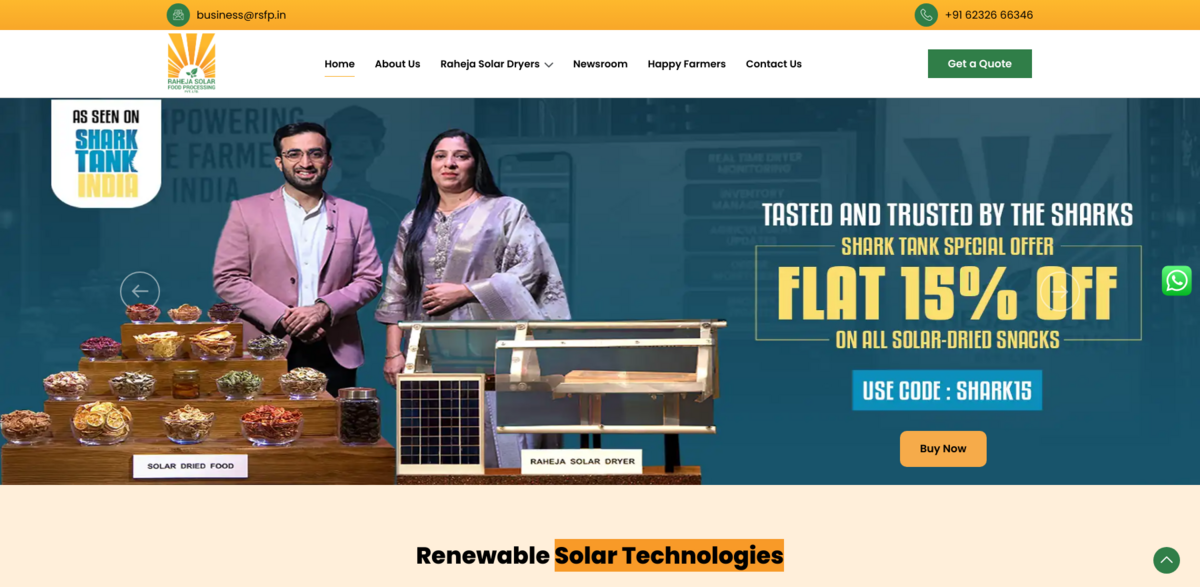

3 Make the supply chain verifiable, not just claimed
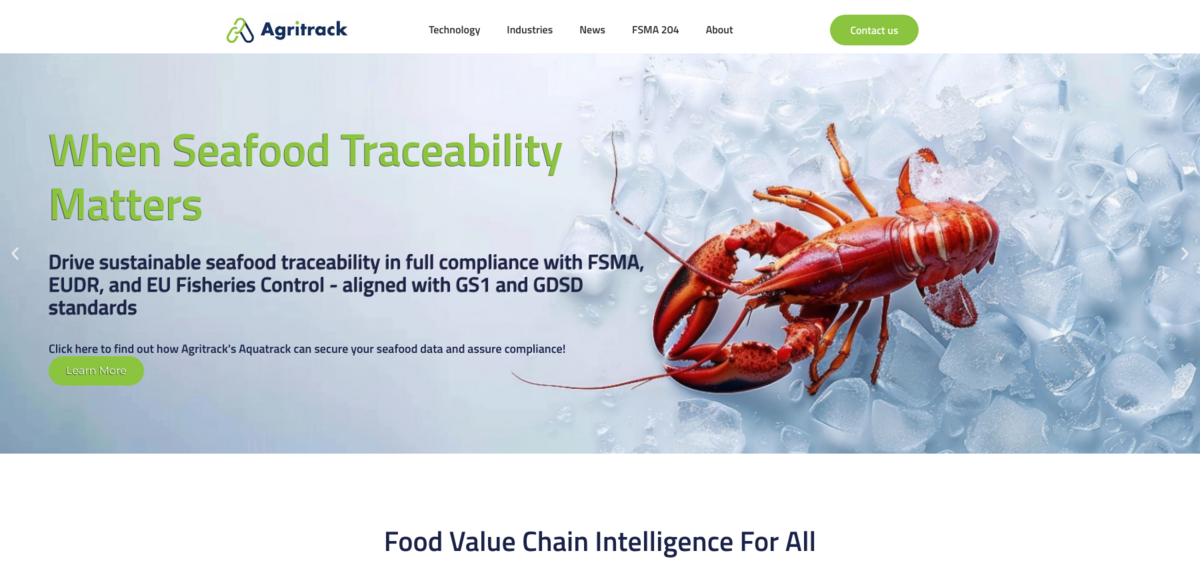
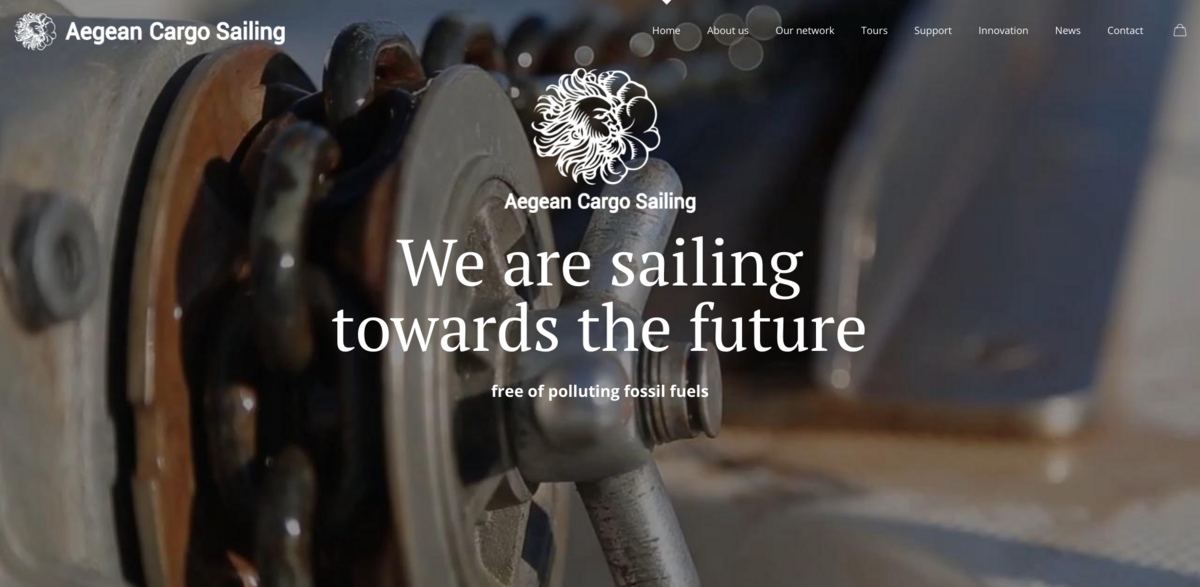
Target 12.6’s push for corporate sustainability reporting only works if the underlying supply chain data is real. Traceability platforms and low-impact logistics make a product’s actual journey verifiable, not just marketed as sustainable. That’s what turns a sustainability claim into something a consumer or regulator can actually check.

What the UN’s own targets actually require
- 12.1 — Implement the 10-Year Framework on sustainable consumption and production
- 12.3 — Halve per capita global food waste at the retail and consumer levels
- 12.5 — Substantially reduce waste generation through prevention, reduction, recycling, and reuse
- 12.6 — Encourage companies to adopt sustainable practices and reporting
- 12.8 — Ensure people have the information and awareness for sustainable lifestyles
Frequently asked questions about SDG 12
What is SDG 12?
SDG 12: Responsible Consumption and Production is the twelfth of the United Nations’ Sustainable Development Goals. It aims to promote sustainable practices in both consumption and production to reduce waste, conserve resources, and protect the environment.
Why is SDG 12 important?
Current consumption and production patterns are driving environmental degradation, resource depletion, and pollution. SDG 12 aims to establish more sustainable practices so we don’t overburden the planet’s resources.
What are the key targets of SDG 12?
Implementing the 10-Year Framework on sustainable consumption and production; halving per capita food waste; and substantially reducing waste through prevention and reuse. Also: encouraging sustainable corporate practices and reporting, and ensuring public awareness for sustainable lifestyles.
How does SDG 12 relate to Agenda 2030?
SDG 12 is closely linked to SDG 13 (Climate Action), SDG 14 (Life Below Water), and SDG 15 (Life on Land). All are focused on reducing human impact on the environment.
What are the biggest challenges to achieving SDG 12?
Overconsumption and waste generation across industries, and unsustainable agricultural practices. Also: lack of consumer and producer awareness, and resistance to change from companies prioritizing short-term profit.
How can governments help achieve SDG 12?
Governments can implement policies that incentivize sustainable production, and enforce waste-reduction regulations. They can also provide subsidies for sustainable industries, and run public awareness campaigns.
What role do businesses play in SDG 12?
Businesses can adopt sustainable production methods, develop circular reusable products, promote supply-chain transparency, and encourage responsible consumption through product design. The three approaches above are what that looks like in practice.
How can individuals contribute to SDG 12?
Make sustainable consumption choices, and support businesses that prioritize sustainability. Reduce personal waste through recycling and reuse, and advocate for sustainable policies.
How is progress on SDG 12 measured?
Progress is tracked using resource efficiency in production, and waste generation and recycling rates. Also tracked: sustainable practices adopted by companies, and reduction in food waste.
Can SDG 12 be achieved by 2030?
Progress is being made, but significant transformation in consumption and production practices is still required. Achieving it depends on collective global action, new business models, and consumer behavior change.
Related goals
Every organization above is one of 6,072 real, catalogued SDG 12 projects on this platform.
Explore the full list →Sourced from Keys for Tomorrow’s project catalog and the UN Sustainable Development Goals framework (sdgs.un.org).