What is Wildlife SOS?
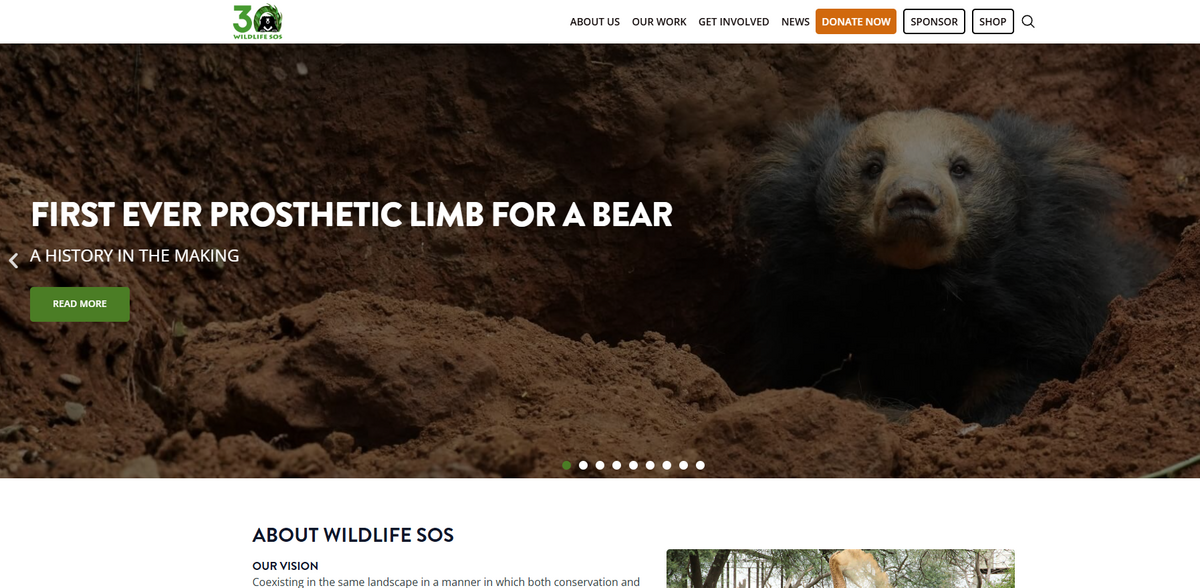
Wildlife SOS is a pioneering project focused on coexisting in the same landscape in a manner in which both conservation and welfare is addressed for man and wildlife. Born out of a deep commitment to protect and conserve India’s natural heritage, this initiative was established with an inspiring mission: to safeguard India’s forests, wildlife, and biodiversity. Founded in 1995 by Kartick Satyanarayan and Geeta Seshamani, the organization started humbly from a small garage in New Delhi – a beginning that set the stage for a journey full of grit, compassion, and determination. Today, Wildlife SOS is known as the largest wildlife rescue organization in India, tirelessly working on rescue, rehabilitation, research, and creating sustainable solutions for local communities… truly a blend of passion and purpose.
Main Benefits of Wildlife SOS
Wildlife SOS brings several key benefits that serve both wildlife and human communities. Some of the most remarkable highlights include:
- Rescue and rehabilitation of injured and displaced wildlife, including bears, elephants, and leopards.
- Active conservation and protection of wild populations and their habitats.
- Comprehensive research to better understand wildlife needs, behavior, and ecology.
- Development of alternative and sustainable livelihoods for communities once dependent on wildlife exploitation.
- A network of 12 dedicated rescue and rehabilitation centres spread across India.
Conservation and Rescue Initiatives
The project’s approach to saving wildlife is as multifaceted as it is dynamic. At its core, Wildlife SOS focuses on conservation and protection of wild populations and their natural habitats – an effort that underpins all other actions. Equally important is the rescue of injured and displaced animals, which transforms moments of crisis into opportunities for healing and hope. Whether it is providing urgent care at the rescue centres or creating safe sanctuaries for recovery, the ethos is clear: to ensure that every wild animal gets a second chance at life. This commitment has, over time, built impressive expertise in handling diverse wildlife emergencies… a testament to the organization’s persistent spirit.
Fostering Sustainable Livelihoods
Beyond direct wildlife care, an integral part of the organization’s vision is fostering sustainable livelihoods for communities that have historically depended on wildlife exploitation. By creating alternative means of survival, Wildlife SOS not only reduces human-wildlife conflict but also reinforces the idea that conservation works best when local people are active beneficiaries. This dynamic strategy helps to mitigate pressures on endangered species while empowering communities with new opportunities. It is a gentle reminder that sustainable change is often nurtured by addressing human needs alongside environmental imperatives.
Commitment to Research and Biodiversity
A strong commitment to research and understanding biodiversity forms the backbone of Wildlife SOS’s long-term strategy. Through careful studies of animal behavior and habitat dynamics, the organization continually refines its rescue, rehabilitation, and conservation practices. The research initiatives help in developing more effective intervention strategies and inform broader conservation efforts across the region. In this way, Wildlife SOS not only responds to immediate wildlife crises but also lays the groundwork for future innovations in wildlife management. This balanced integration of practical rescue operations and academic research reflects an approach that is both humane and scientifically informed… an evolving narrative of care and discovery.
Project Impact through SDGs
- SDG 15: Life on Land – Through active conservation and habitat protection, Wildlife SOS contributes significantly to preserving terrestrial ecosystems.
- SDG 13: Climate Action – By promoting sustainable practices and ecosystem resilience, the project indirectly supports climate action goals.
- SDG 1: No Poverty – The creation of alternative livelihoods helps uplift communities, reducing poverty while preserving nature.
- SDG 4: Quality Education – Research and awareness programs foster education and understanding about biodiversity and conservation.
- SDG 11: Sustainable Cities and Communities – By mitigating human-wildlife conflict and supporting local development, the project contributes to harmonious urban and rural coexistence.
Getting Involved and Future Vision
Wildlife SOS also invites those who are eager to create positive change to get involved. Whether it is through volunteering to support the care of bears, elephants, and other wildlife, or by signing petitions that advocate for better protection of natural habitats, opportunities to contribute are both varied and accessible. Donations play a crucial role in ensuring that rescue centres and research initiatives continue to thrive. This collaborative spirit not only fuels ongoing efforts but also inspires a broader movement towards sustainable conservation practices. As the future unfolds, Wildlife SOS remains steadfast in its vision – a future where human progress and wildlife conservation go hand in hand, creating a world enriched by both nature and community.
What Wildlife SOS actually does
Wildlife SOS is India’s largest wildlife rescue organization, founded in 1995 by Kartick Satyanarayan and Geeta Seshamani, starting out of a small garage rescue center in New Delhi. The organization now runs 12 rescue and rehabilitation centres across India, working with elephants, sloth bears, leopards, and reptiles.
Where Wildlife SOS shows up
- Named facilities: the Agra Bear Rescue Facility, Bannerghatta Bear Rescue Centre, Dachigam Rescue Centre, Elephant Conservation and Care Centre, and Manikdoh Leopard Rescue Centre are among its 12 operating sites.
Why this belongs on a sustainability directory
Wildlife SOS connects to SDG15 (Life on Land) by operating 12 dedicated rescue and rehabilitation facilities across India, directly addressing human-wildlife conflict and species protection at a national scale.
Frequently asked questions
Where is Wildlife SOS based, and who uses it?
Wildlife SOS was founded in New Delhi, India, in 1995 and now operates 12 wildlife rescue and rehabilitation centres across the country.
Which SDGs does Wildlife SOS support, and how?
Wildlife SOS supports SDG15 (Life on Land) by rescuing and rehabilitating elephants, sloth bears, leopards, and other wildlife across 12 dedicated facilities, addressing human-wildlife conflict at national scale.
How is Wildlife SOS verified as a sustainability project?
Wildlife SOS has operated continuously since 1995 and is recognized as India’s largest wildlife rescue organization, holding independent charity ratings including a 4-Star rating and Candid Seal Platinum.
Looking for similar Conservation & Biodiversity projects?
See Conservation & Biodiversity projects on Keys for Tomorrow.