
SDG 7: Affordable and Clean Energy
Sustainable Development Goal 7 (SDG 7), part of the United Nations’ Agenda 2030, aims to ensure access to affordable, reliable, sustainable, and modern energy for all. Energy powers economies, drives innovation, and improves living standards, yet nearly 675 million people worldwide still lack access to electricity. Transitioning to renewable energy and energy-efficient solutions is essential for a sustainable and resilient future.
Access to clean and affordable energy is key to reducing poverty, inequality, and environmental degradation. Investing in renewable energy leads to:
✅ Lower carbon emissions and climate resilience
✅ Economic growth and job creation
✅ Improved healthcare, education, and quality of life
✅ Energy security and independence
How Can We Achieve SDG 7?
Governments, businesses, and individuals must collaborate to:
⚡ Increase investment in renewable energy sources
⚡ Improve energy efficiency and reduce waste
⚡ Ensure universal access to modern electricity and clean cooking solutions
⚡ Promote policies that support sustainable energy initiatives
Innovative Solutions for SDG 7: Companies & Initiatives Driving the Clean Energy Transition
Below, we highlight the most impactful companies and initiatives supporting SDG 7 and ensuring a future powered by clean, sustainable energy.
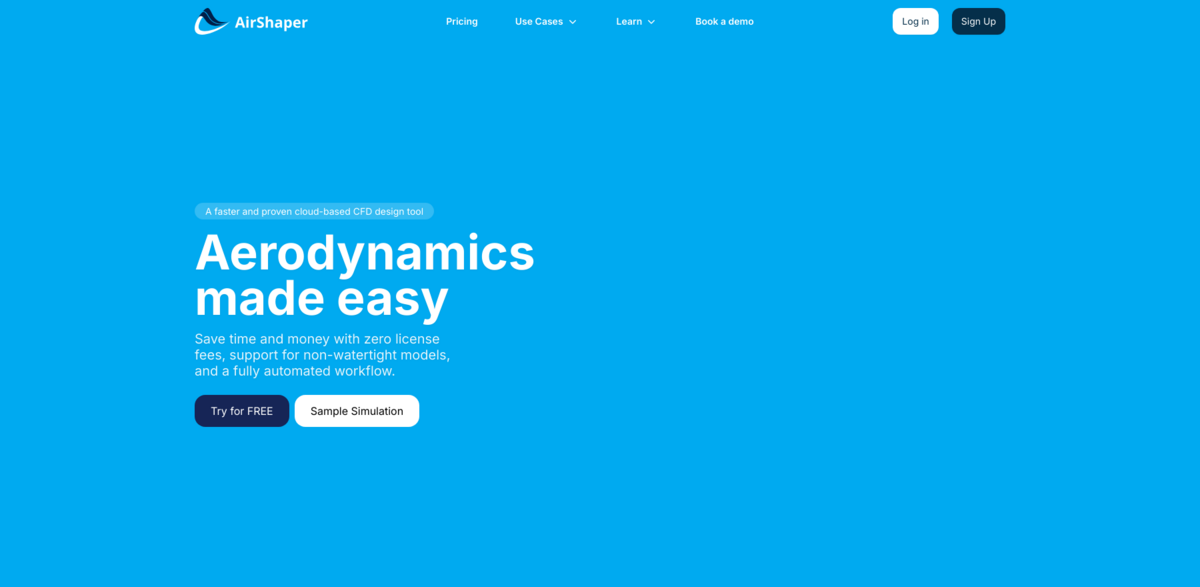


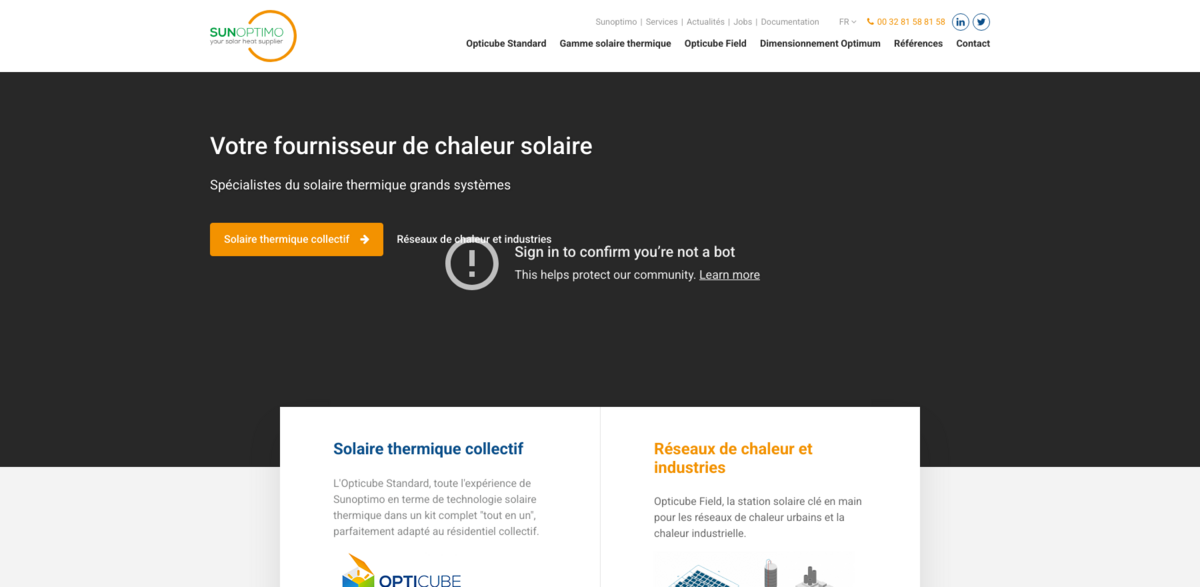
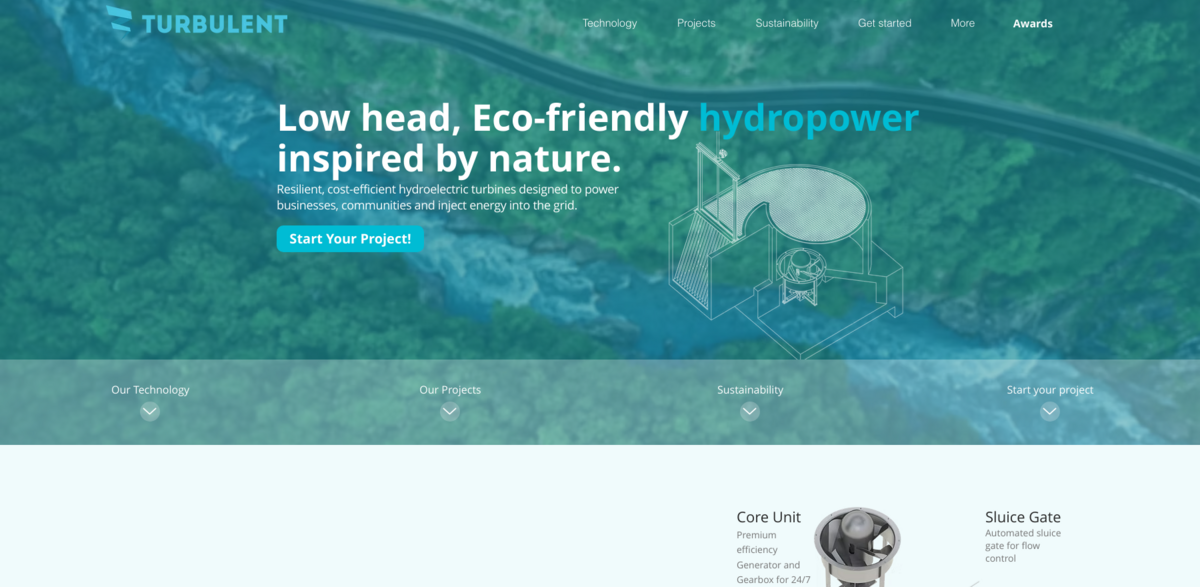
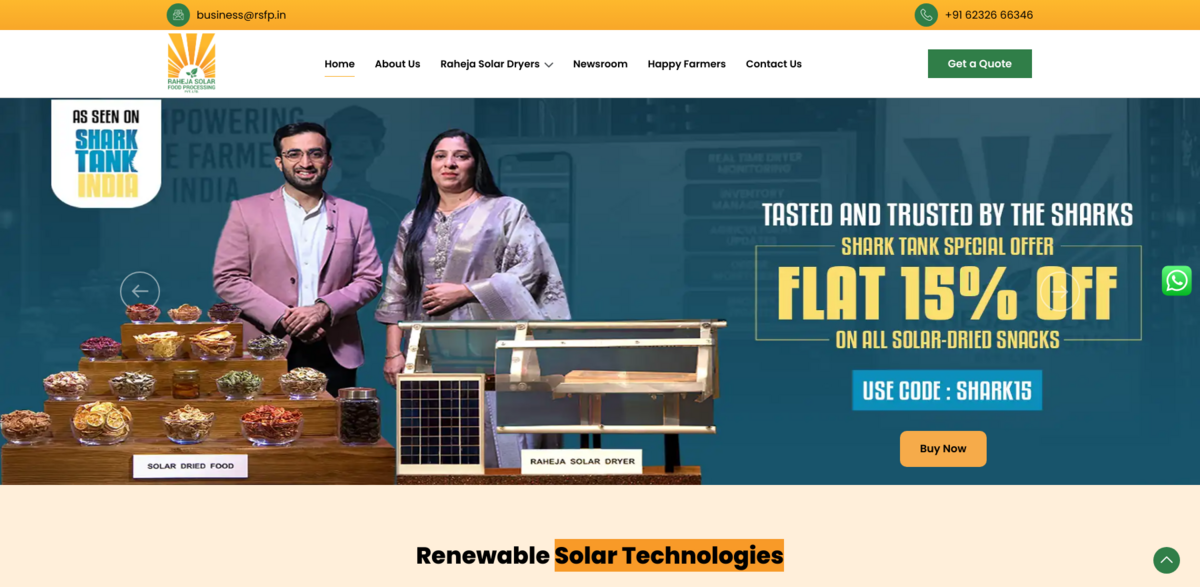



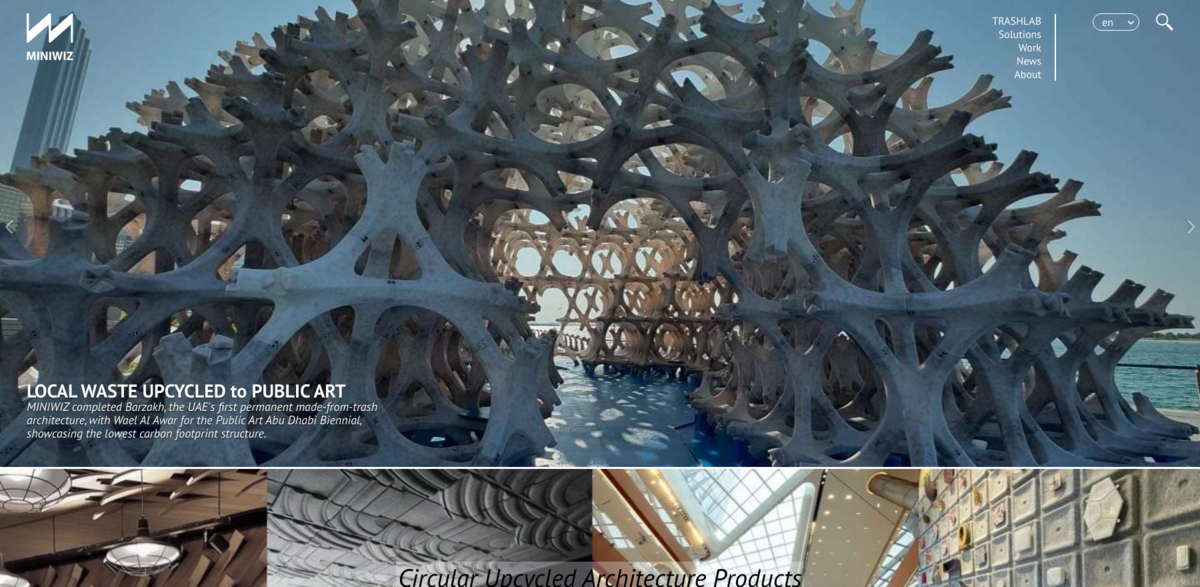


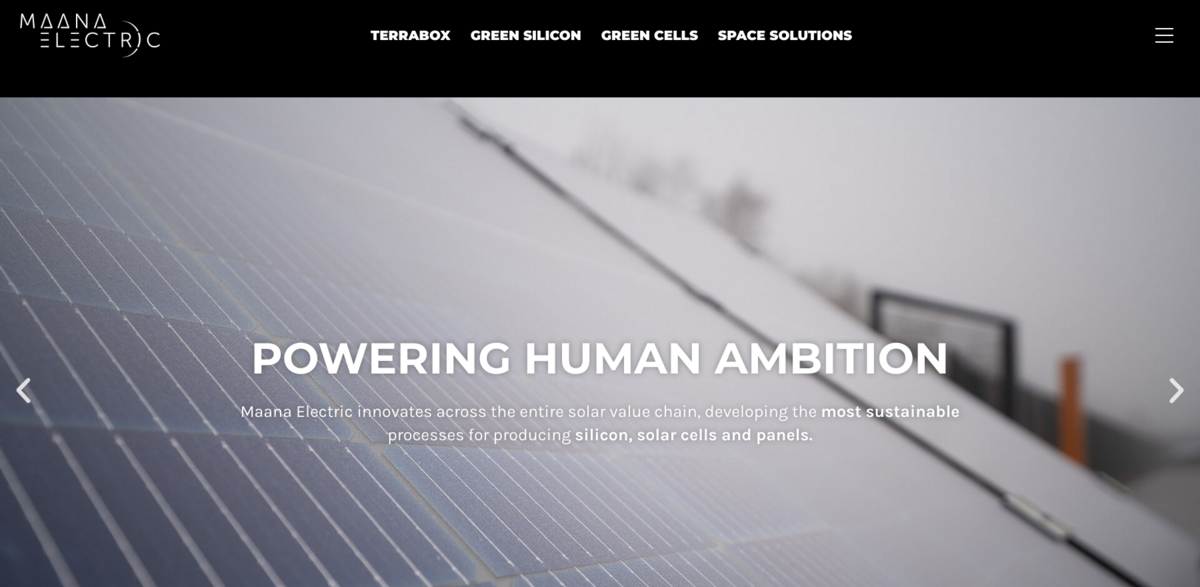
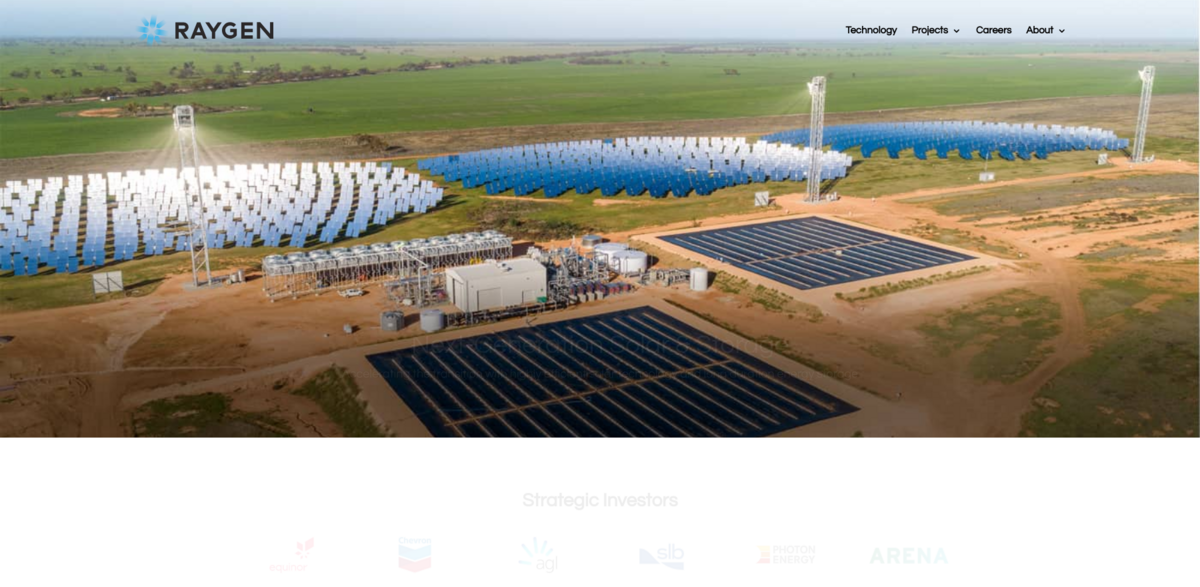
👉 Explore the list of initiatives and be part of the change! ⚡🌍
Find SDG 7 Projects in your country! Where are you located?
Argentina Australia Austria Belgium Brazil Canada Chile China Colombia Czech Republic Denmark Ecuador Estonia Finland France Germany Greece Hong Kong India Indonesia Ireland Israel Italy Japan Kenya Luxembourg Mexico Netherlands New Zealand Nigeria Norway Paraguay Peru Poland Portugal Singapore South Africa Spain Sweden Switzerland Taiwan Turkey United Kingdom United States USA
FAQ on SDG 7: Affordable and Clean Energy (Agenda 2030)
1. What is SDG 7?
SDG 7: Affordable and Clean Energy is the seventh goal of the United Nations’ Sustainable Development Goals (SDGs) under Agenda 2030. It aims to ensure universal access to reliable, sustainable, and modern energy while increasing the use of renewables.
2. Why is SDG 7 important?
Energy is essential for economic development, social well-being, and climate action. Without sustainable energy, millions remain trapped in poverty, exposed to pollution, and cut off from modern opportunities.
3. What are the key targets of SDG 7?
Some major targets include:
- 7.1: Ensure universal access to affordable, reliable energy.
- 7.2: Increase the share of renewable energy globally.
- 7.3: Improve energy efficiency worldwide.
- 7.A: Promote clean energy research and infrastructure.
- 7.B: Expand access to modern energy services in developing countries.
4. How does SDG 7 relate to Agenda 2030?
SDG 7 is directly linked to economic growth (SDG 8), climate action (SDG 13), and industry innovation (SDG 9). Clean energy solutions drive sustainability, job creation, and environmental protection.
5. What are the biggest challenges to achieving SDG 7?
Some key challenges include:
- High costs of renewable energy infrastructure.
- Lack of energy access in rural and low-income areas.
- Dependence on fossil fuels and slow policy changes.
- Grid inefficiencies and energy transmission losses.
6. How can governments help achieve SDG 7?
Governments can:
- Invest in renewable energy infrastructure and R&D.
- Provide incentives for clean energy adoption.
- Phase out fossil fuel subsidies.
- Expand electricity access in underserved regions.
7. What role do businesses play in SDG 7?
Businesses can:
- Adopt renewable energy sources for operations.
- Develop energy-efficient technologies and products.
- Support green financing for clean energy projects.
- Advocate for sustainable energy policies.
8. How can individuals contribute to SDG 7?
Individuals can:
- Switch to energy-efficient appliances and lighting.
- Reduce energy consumption at home and work.
- Support renewable energy providers.
- Advocate for clean energy policies and initiatives.
9. How is progress on SDG 7 measured?
The UN tracks SDG 7 using indicators such as:
- Percentage of the population with electricity access.
- Share of renewables in total energy consumption.
- Energy efficiency improvements and reductions in emissions.
- Investments in clean energy research and development.
10. Will the world achieve SDG 7 by 2030?
While the shift to renewable energy is accelerating, fossil fuel reliance, lack of investment, and policy barriers remain significant challenges. Achieving SDG 7 requires global collaboration, technological advancements, and bold commitments to clean energy adoption.
Discover other Sustainable Development Goals (SDG) Initiatives :
- SDG 1: No Poverty – End poverty in all its forms everywhere.
- SDG 2: Zero Hunger – End hunger, achieve food security, improve nutrition, and promote sustainable agriculture.
- SDG 3: Good Health and Well-being – Ensure healthy lives and promote well-being for all at all ages.
- SDG 4: Quality Education – Ensure inclusive and equitable quality education and promote lifelong learning opportunities for all.
- SDG 5: Gender Equality – Achieve gender equality and empower all women and girls.
- SDG 6: Clean Water and Sanitation – Ensure availability and sustainable management of water and sanitation for all.
- SDG 7: Affordable and Clean Energy – Ensure access to affordable, reliable, sustainable, and modern energy for all.
- SDG 8: Decent Work and Economic Growth – Promote sustained, inclusive, and sustainable economic growth, full and productive employment, and decent work for all.
- SDG 9: Industry, Innovation, and Infrastructure – Build resilient infrastructure, promote inclusive and sustainable industrialization, and foster innovation.
- SDG 10: Reduced Inequalities – Reduce inequality within and among countries.
- SDG 11: Sustainable Cities and Communities – Make cities and human settlements inclusive, safe, resilient, and sustainable.
- SDG 12: Responsible Consumption and Production – Ensure sustainable consumption and production patterns.
- SDG 13: Climate Action – Take urgent action to combat climate change and its impacts.
- SDG 14: Life Below Water – Conserve and sustainably use the oceans, seas, and marine resources.
- SDG 15: Life on Land – Protect, restore, and promote sustainable use of terrestrial ecosystems, forests, and biodiversity.
- SDG 16: Peace, Justice, and Strong Institutions – Promote peaceful and inclusive societies, provide access to justice, and build effective institutions.
- SDG 17: Partnerships for the Goals – Strengthen the means of implementation and revitalize the global partnership for sustainable development.