
Three ways organizations are closing the clean energy gap
SDG 7 aims to ensure access to affordable, reliable, sustainable, and modern energy for all, by 2030. Looking across 1,440 real projects tracked on this platform, three distinct approaches keep recurring.
Clean energy isn’t one problem. Generating it, getting it to places the grid never reached, and not wasting it once it exists are three separate engineering challenges. Looking at real organizations instead of policy language, three approaches keep showing up.
1 Push the limits of what generation tech can do
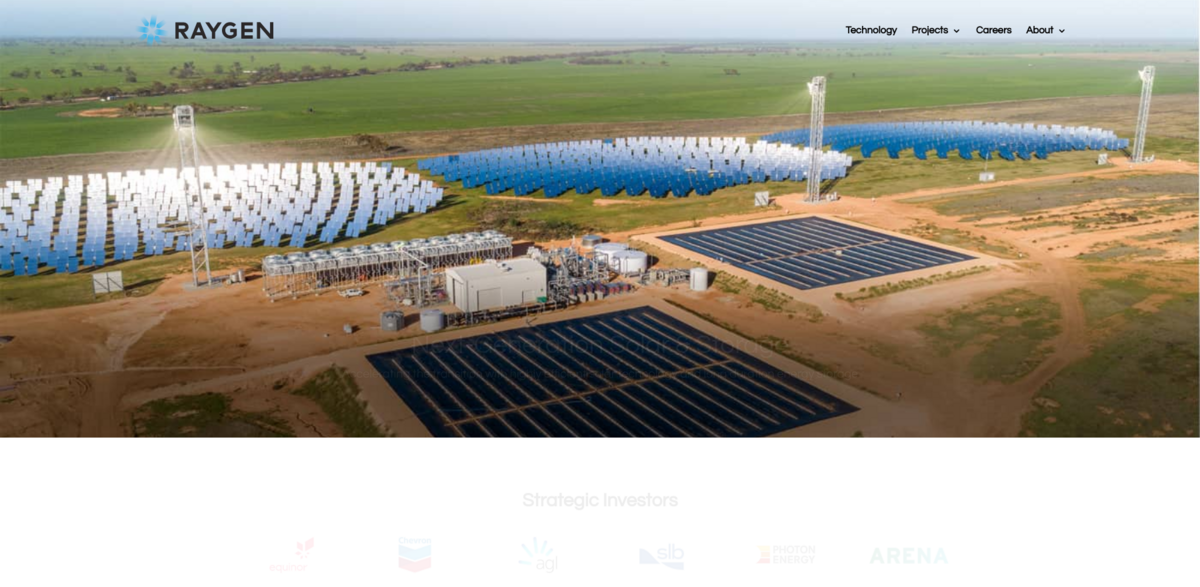
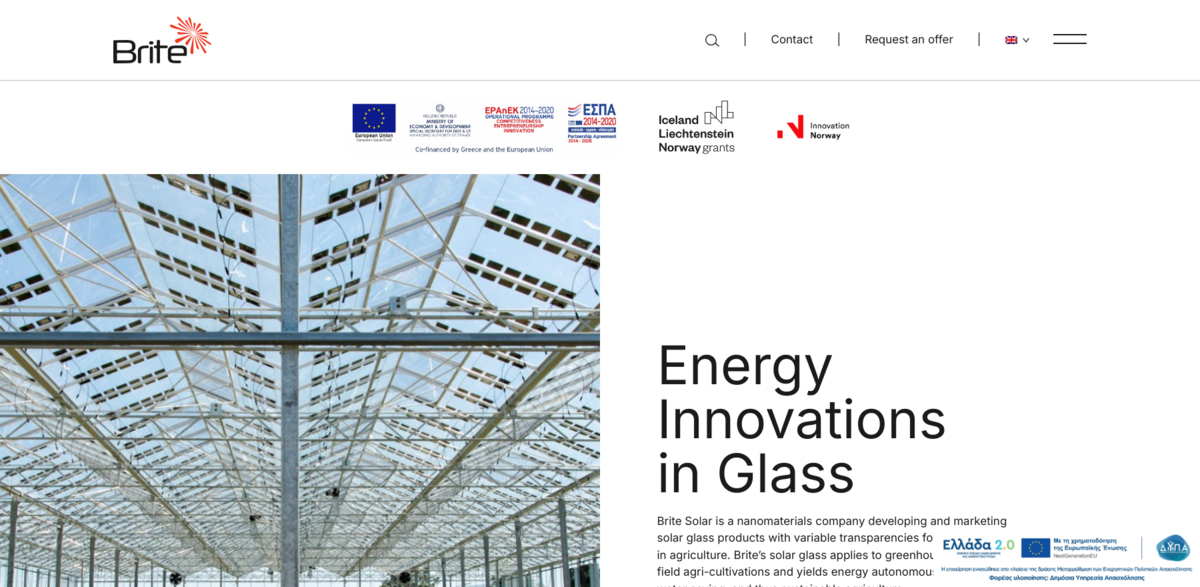
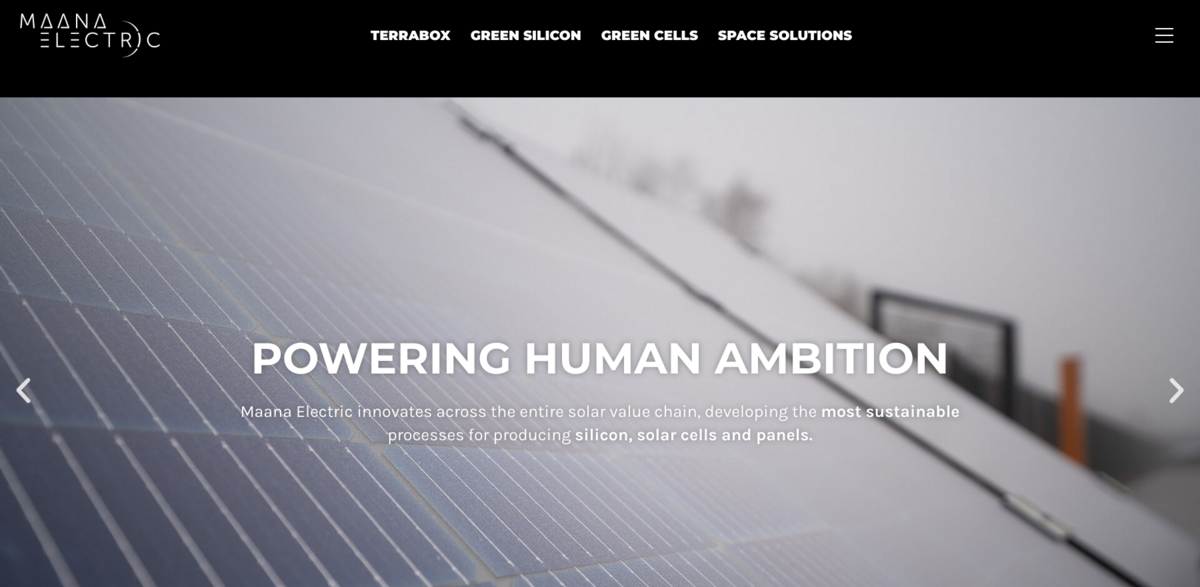
The frontier of clean energy is still generation efficiency — getting more usable power out of the same sunlight or wind. Organizations pushing next-generation solar and storage technology directly serve target 7.2’s push to raise the global renewable share. They do it by making renewables more competitive against fossil generation on cost and output, not just on principle.
2 Reach the places the grid never reached
Roughly 700 million people still lack reliable electricity access, concentrated in regions the traditional grid was never economically built out to serve. Organizations deploying decentralized solar and hydrogen infrastructure directly in those regions are what target 7.b’s “expand access to modern energy services in developing countries” looks like in practice. It’s not just policy language.


3 Stop energy from going to waste once it's generated
Generation and access solve half the equation. The other half is efficiency, since a meaningful share of energy is lost to poor storage, inefficient heating systems, and grids with no real-time visibility into demand. This is what target 7.3’s efficiency mandate depends on operationally, and it’s often the cheapest watt available.


What the UN’s own targets actually require
- 7.1 — Ensure universal access to affordable, reliable energy
- 7.2 — Increase the share of renewable energy globally
- 7.3 — Improve energy efficiency worldwide
- 7.a — Promote clean energy research and infrastructure
- 7.b — Expand access to modern energy services in developing countries
Frequently asked questions about SDG 7
What is SDG 7?
SDG 7: Affordable and Clean Energy is the seventh of the United Nations’ Sustainable Development Goals under Agenda 2030. It aims to ensure universal access to reliable, sustainable, and modern energy while increasing the use of renewables.
Why is SDG 7 important?
Energy is essential for economic development, social well-being, and climate action. Without sustainable energy, millions remain trapped in poverty, exposed to pollution, and cut off from modern opportunities.
What are the key targets of SDG 7?
Universal access to affordable, reliable energy; increasing the global share of renewable energy; and improving energy efficiency. Also: promoting clean energy research and infrastructure, and expanding access to modern energy services in developing countries.
How does SDG 7 relate to Agenda 2030?
SDG 7 is directly linked to economic growth (SDG 8), climate action (SDG 13), and industry innovation (SDG 9). Clean energy solutions drive sustainability, job creation, and environmental protection.
What are the biggest challenges to achieving SDG 7?
High costs of renewable energy infrastructure, lack of energy access in rural and low-income areas, and continued dependence on fossil fuels. Also: grid inefficiencies with transmission losses.
How can governments help achieve SDG 7?
Governments can invest in renewable infrastructure and R&D, and provide incentives for clean energy adoption. They can also phase out fossil fuel subsidies and expand electricity access in underserved regions.
What role do businesses play in SDG 7?
Businesses can adopt renewable energy for operations, develop energy-efficient technologies, support green financing for clean energy projects, and advocate for sustainable energy policy. The three approaches above are what that looks like in practice.
How can individuals contribute to SDG 7?
Switch to energy-efficient appliances and lighting, and reduce energy consumption at home and work. Support renewable energy providers, and advocate for clean energy policy.
How is progress on SDG 7 measured?
The UN tracks the percentage of the population with electricity access and the share of renewables in total energy consumption. It also tracks energy efficiency improvements and investment in clean energy R&D.
Will the world achieve SDG 7 by 2030?
The shift to renewables is accelerating, but fossil fuel reliance, underinvestment, and policy barriers remain significant. Achieving SDG 7 requires global collaboration and bold commitments to clean energy adoption.
Related goals
Every organization above is one of 1,440 real, catalogued SDG 7 projects on this platform.
Explore the full list →Sourced from Keys for Tomorrow’s project catalog and the UN Sustainable Development Goals framework (sdgs.un.org).