What Is the Autonomous Travel Suite?
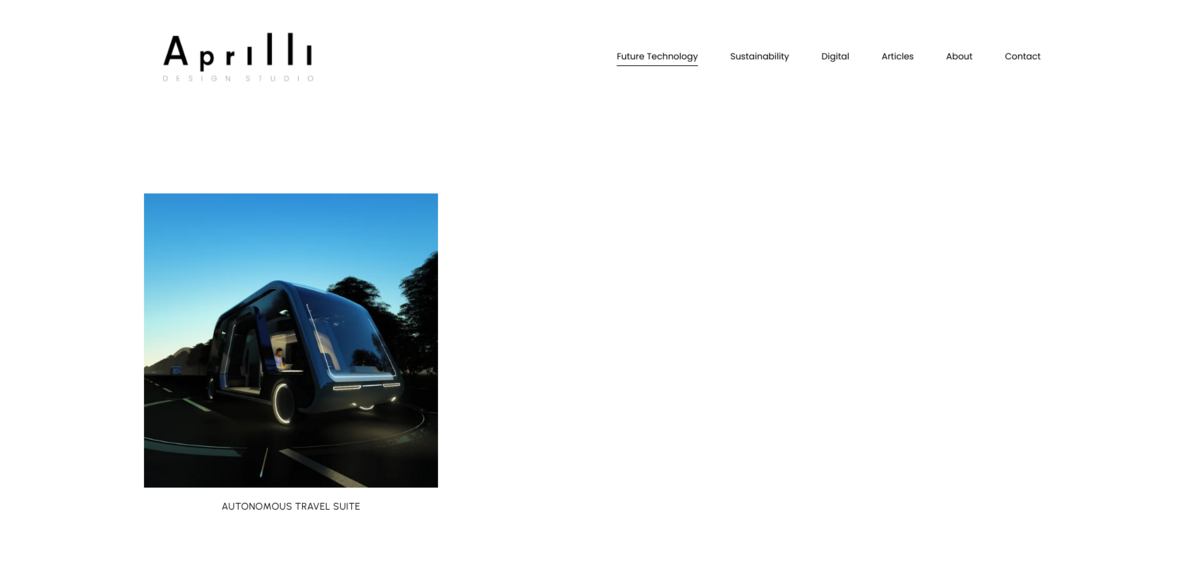
The Autonomous Travel Suite is a game-changer in how people experience travel. Imagine a driver-less, mobile suite that takes you door-to-door—from your home right to your destination. It’s not just a ride; it’s a compact hotel room on wheels, equipped with all the essentials: sleeping, working, and washroom facilities. This means travelers can actually make the most of their travel time—whether that’s catching up on work, resting, or just relaxing. Using cutting-edge Autonomous Driving technology, this suite isn’t just a vehicle; it’s your personal mobile hotel room that can take you to multiple destinations seamlessly.
Main Benefits of the Autonomous Travel Suite
Here’s why this project stands out:
- Door-to-door service that eliminates the hassle of transfers and check-ins.
- Combines transportation and hospitality into one flexible, comfortable experience.
- Cost-effective—rental covers local transport, flights, and hotel stays all in one.
- Privacy and comfort with a space designed specifically for long-distance travel.
- Customizable features via an online app—choose what you need, from furniture to appliances.
- Electric vehicle with battery maintenance handled by autonomous hotel facilities.
- Access to a network of amenities like gyms, pools, and meeting rooms, bookable as needed.
The Autonomous Interface: Smarter Travel at Your Fingertips
At the heart of the Autonomous Travel Suite experience is the Autonomous Interface—a central platform that manages everything. Travelers use an online app to specify multiple destinations and services, and the system takes care of the rest. It figures out the best routes, coordinates with nearby hotel facilities, and even controls the indoor environment of the suite. Plus, it keeps an eye on the vehicle’s status to make sure everything runs smoothly throughout the trip. It’s like having a personal travel assistant, but way smarter and always on.
The Autonomous Hotel Chain: More Than Just a Place to Stay
The Autonomous Travel Suite is backed by the Autonomous Hotel Chain, a network of hotel facilities that offer stationary parent units and public amenities tailored to travelers’ needs. Need a gym session or a spa visit during your trip? No problem. Want to dock your suite into an upscale parent unit? That’s available too. These hotels provide housekeeping, maintenance, and charging services, plus uncrewed service vehicles that can deliver fresh batteries or room service right to your suite. It’s a whole ecosystem designed to support and enhance the travel experience.
Why It’s Not Just a Car—It’s a Mobile Room
Forget what you know about autonomous cars. The Autonomous Travel Suite isn’t about getting from point A to B quickly—it’s about how you spend that time. Long-distance travel demands a space that feels like a real room, with beds, desks, washrooms, and natural light. The suite is designed and managed by hospitality pros, focusing on comfort and usability. It’s a platform that hosts new tech and services, making travel not just convenient but meaningful. Because, honestly, the real question isn’t how far a car can drive, but how long people can comfortably stay inside it.
Project Impact: Sustainable Development Goals (SDGs) Linked to the Autonomous Travel Suite
- SDG 9: Industry, Innovation, and Infrastructure – advancing autonomous driving and smart hospitality tech.
- SDG 11: Sustainable Cities and Communities – improving urban and intercity travel efficiency.
- SDG 12: Responsible Consumption and Production – reducing waste through integrated travel and lodging.
- SDG 13: Climate Action – promoting electric vehicles and reducing carbon footprints.
- SDG 8: Decent Work and Economic Growth – creating new hospitality and tech-driven job opportunities.
Infrastructure and the Future of Domestic Travel in the US
Most major US cities are within a 10-hour drive, making road travel a solid alternative to flights and trains. But flights and trains come with their own headaches—transfers, check-ins, fixed schedules. The Autonomous Travel Suite offers a smoother, more flexible option. The US interstate highway system is already well-developed, and with existing hotel chains, rental car services, and gas stations, the infrastructure needed for autonomous travel can be integrated relatively quickly. Hotel brands can gradually upgrade their services to keep pace with these advanced technologies, paving the way for a new era of domestic travel.
What Aprilli Design Studio actually does
Aprilli Design Studio, led by architect Steve Lee (AIA, LEED AP BD+C, licensed in California and Ontario), designs sustainable urban and architectural concepts spanning food production, energy, and mobility, including the award-winning Urban Skyfarm.
Where the concepts are recognized
- Urban Skyfarm: a net-zero, solar and wind-powered vertical farming concept spanning 44,000 m² of outdoor and 28,000 m² of indoor farming space, with 3,200 m² of solar PV panel area
- Phototropic Tower and Phototropic Housing: additional sustainability-focused architectural concepts
- Autonomous Travel Suite: exploring sustainable transportation and mobility design
Proof, not just claims
Urban Skyfarm won the Concept Category at the Green Dot Design Award 2013, Second Prize at Rethinking the Future 2014, and was a finalist for SXSW Eco’s Place by Design Award 2014, with coverage from ArchDaily, Fast Company, BBC and Newsweek.
Why this belongs on a sustainability directory
Urban Skyfarm’s fully specified net-zero, solar and wind-powered design, with named panel area and farming-space metrics, demonstrates a technically detailed approach to SDG 11 (Sustainable Cities and Communities) and SDG 2 (Zero Hunger) through urban food production.
Frequently asked questions
Who leads Aprilli Design Studio, and what does it design?
Aprilli Design Studio is led by architect Steve Lee and designs sustainable urban concepts including Urban Skyfarm, a net-zero vertical farming tower, and mobility-focused projects like the Autonomous Travel Suite.
Which SDGs does Aprilli Design Studio support, and how?
SDG 11 (Sustainable Cities and Communities), through net-zero urban architectural concepts, and SDG 2 (Zero Hunger), through vertical urban farming designs like Urban Skyfarm.
How is Aprilli Design Studio’s work verified?
Urban Skyfarm won the Green Dot Design Award 2013, placed second at Rethinking the Future 2014, and was a SXSW Eco Place by Design finalist, with coverage from ArchDaily, Fast Company, BBC and Newsweek.
Looking for similar clean technology projects?
See Clean Technology projects on Keys for Tomorrow.