13 Recycling Companies and Waste Innovators Closing the Loop
Recycling on its own does not fix waste. Material gets lost at every step: food that is never sold, rubbish that is never collected, plastic too contaminated to reprocess, and offcuts nobody has a use for. The 13 recycling companies and waste innovators in this roundup, spread across 10 countries, each work on one of those leaks. Together they cover the full chain SDG 12 asks for, from prevention and reuse to collection, recycling and upcycling.
Preventing food waste before it reaches the bin
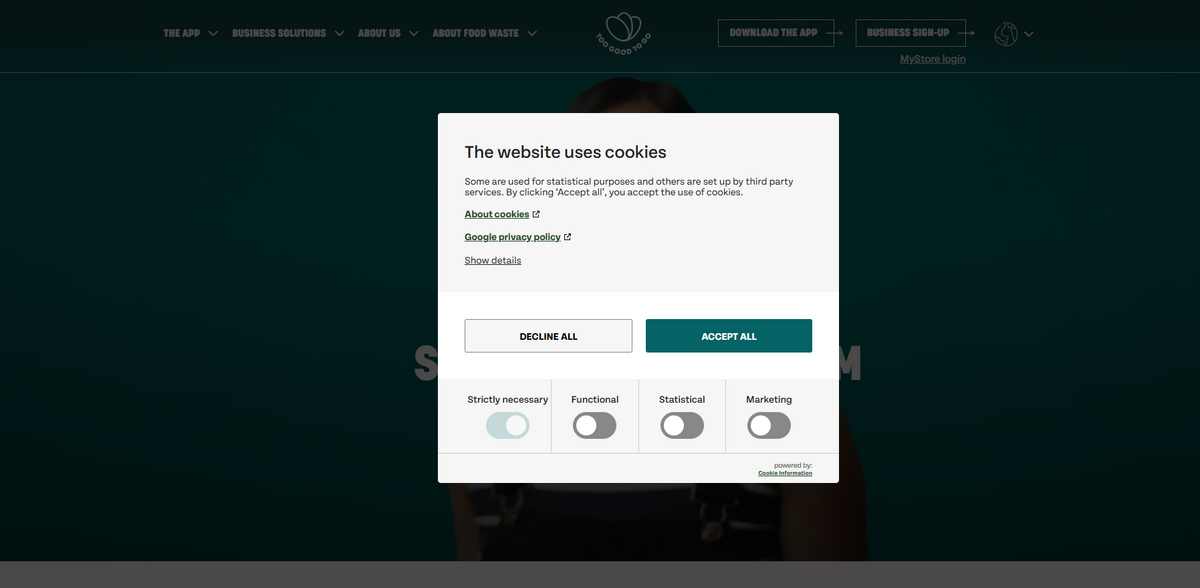
The cheapest waste to manage is the waste that never happens. Too Good To Go, a B Corp certified company founded in Copenhagen, runs an app that lets local stores, cafes, bakeries and restaurants sell their unsold food at a discount through Surprise Bags, instead of throwing it out at closing time.
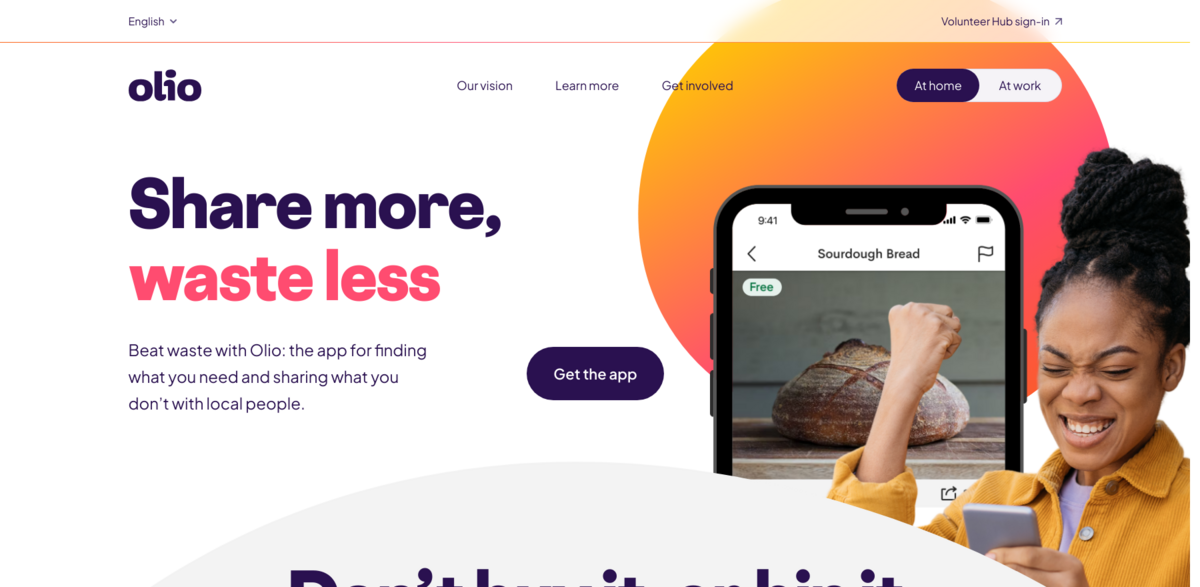
OLIO, founded in the UK in 2016, applies the same logic between neighbours. Users list surplus food and household items for free pickup by someone nearby, so usable goods get a second life rather than a trip to landfill.
Building waste collection systems that actually work
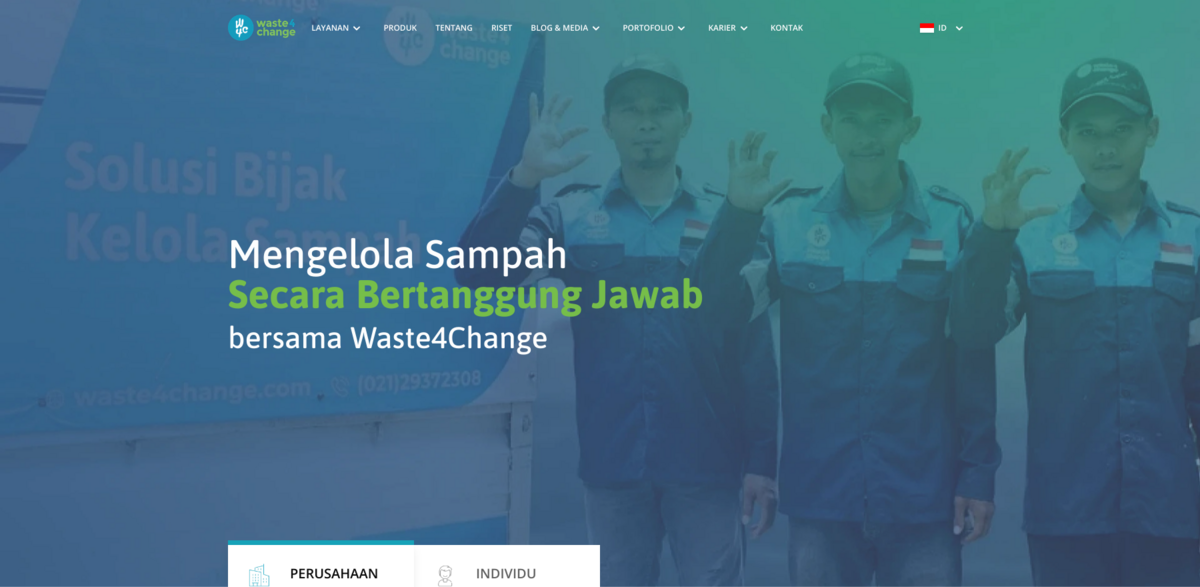
Recycling only works if waste is collected and sorted in the first place. Waste4Change, founded in 2014 in Bekasi, Indonesia, covers the whole service stack: research-based consulting and education, waste collection and processing with transparent reporting, packaging recycling, and engineering work including Material Recovery Facility construction. It holds Solar Impulse Efficient Solution certification.
In Chile, Karübag collects both organic waste for composting and inorganic waste for recycling, serving more than 3,000 households, businesses and public institutions. It reports helping business clients cut their waste by up to 80% and aligns them with Chile’s Extended Producer Responsibility (REP) law.
eureciclo, founded in São Paulo in 2015, tackles the financing side. Brands fund recycling capacity through its seal, and that money flows to a network of 315 partner cooperatives and accredited operators. The company reports R$136M distributed to that network and 2.18M tons of waste properly disposed of through it.
Recycling and replacing plastic
Plastic is where recycling systems break down most often. Boomera, founded in Brazil in 2011 and part of the Ambipar Group since 2021, builds its plastics recycling supply chain around a national network of waste-picker cooperatives. It has been B Corp certified since December 2017, with a B Impact Score of 90.3.
UpSolv, the Montreal company formerly known as Polystyvert, goes after the plastics mechanical recycling cannot handle: material too contaminated to reprocess. Its dissolution and purification process now covers polystyrene, HIPS, ABS, PE and PP, protected by more than 40 patents across 17 countries, with a first commercial plant in Montreal planned for over 10,000 tonnes a year.
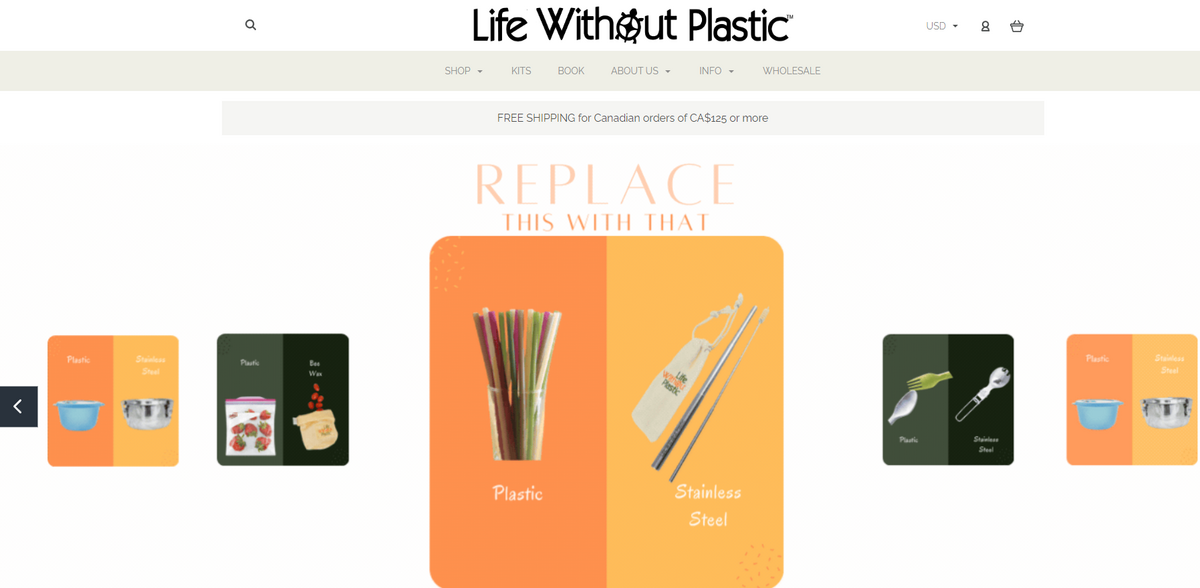
Life Without Plastic works upstream, on demand. Running from Wakefield, Quebec since 2006, the online store sells only plastic-free alternatives, independently lab-tests its products for lead and phthalates against U.S. CPSIA standards, and holds Green America’s Gold Seal of Approval.

Upcycling waste into new products
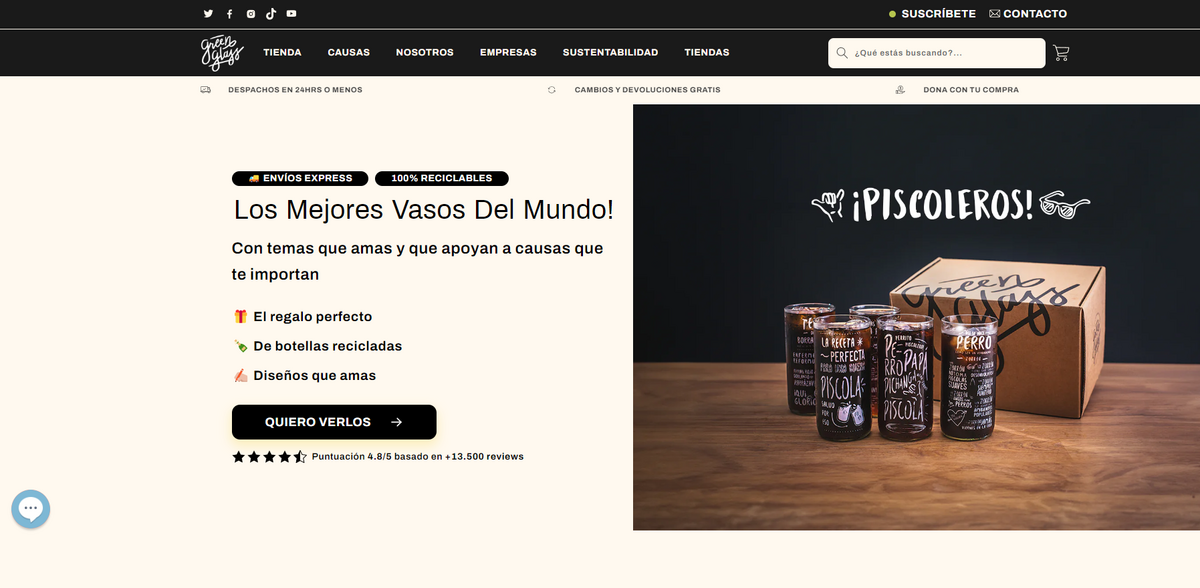
Some of the strongest waste projects skip the recycling plant entirely and turn waste directly into products people want. Green Glass, a Santiago company founded in 2009, has recovered more than 1 million glass bottles and turned them into drinkware, jars, candles and dispensers, manufacturing on 100% self-generated solar energy. It is B Corp certified and carbon neutral.
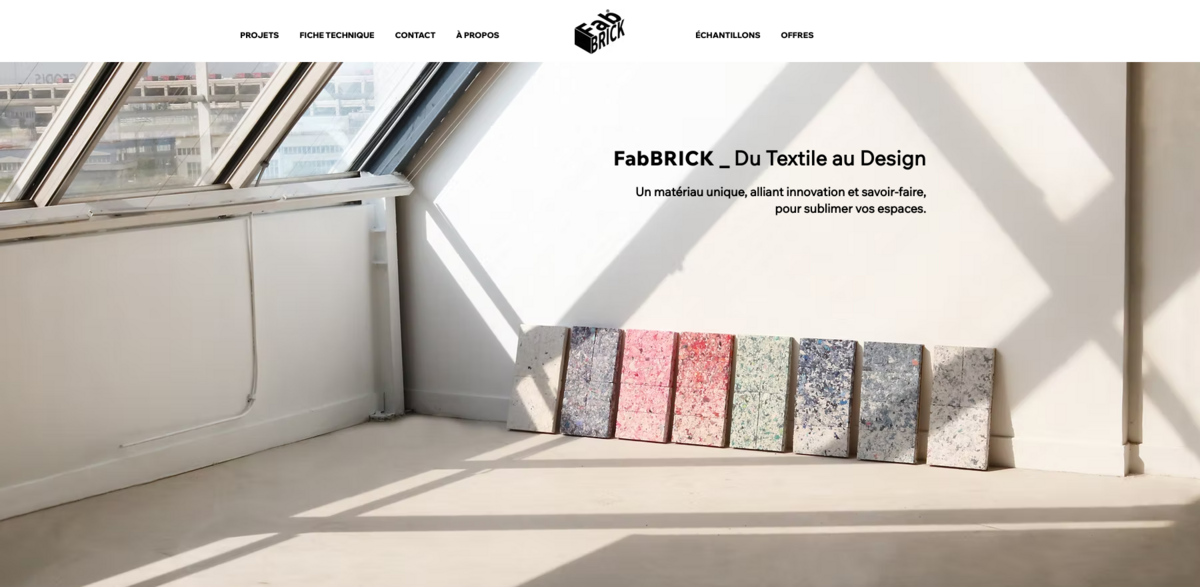
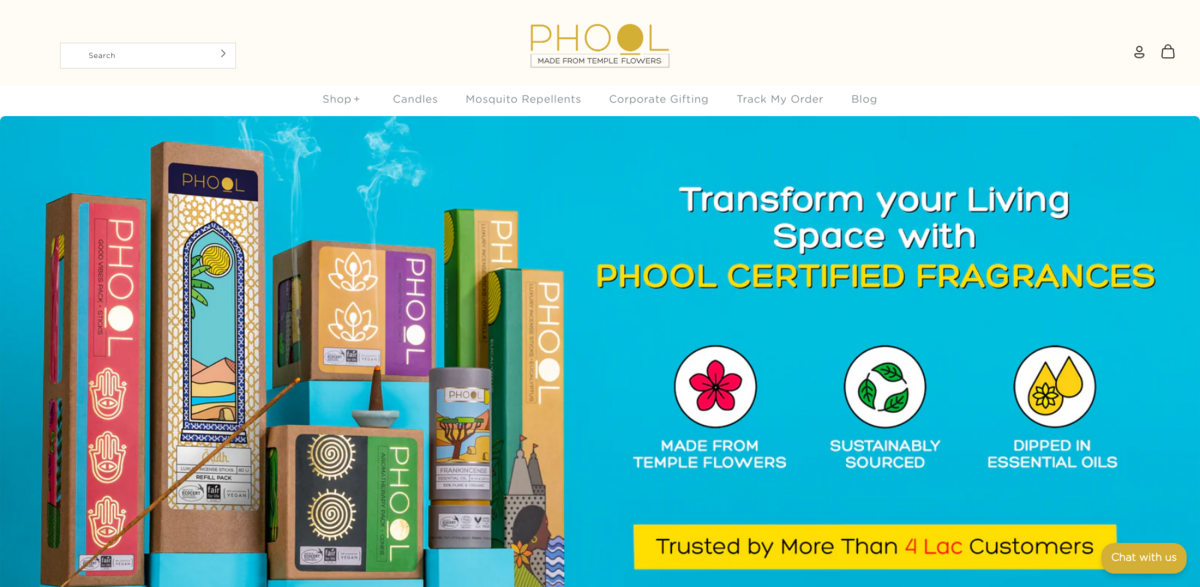
FabBRICK, founded in Paris in 2019, makes design cladding bricks for interior spaces from recycled textile waste, a material stream with few conventional recycling pathways. In Kanpur, India, Phool collects temple flower waste that would otherwise pollute the Ganges and upcycles it into incense, natural dyes and Fleather, a leather alternative. It reports more than 22,060 tons of flower waste recycled and more than 300 women employed.
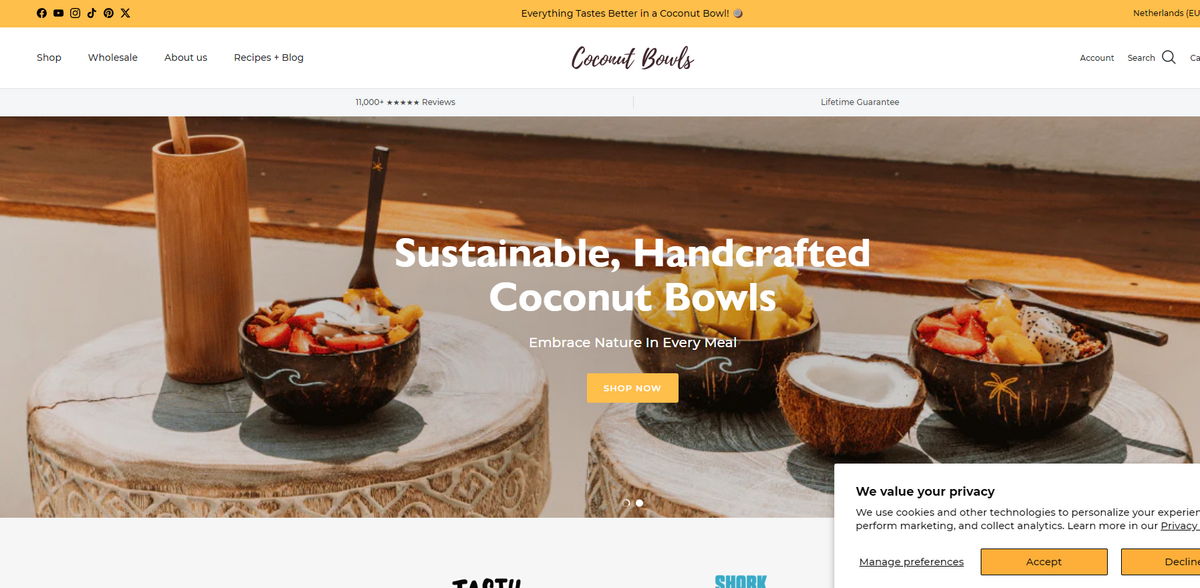
Coconut Bowls applies the same idea to agricultural waste, making bowls, cutlery and straws from discarded coconut shells with artisans in Vietnam and Indonesia. It is a 1% for the Planet member and reports more than 1 million bowls sold.
Organic waste and wastewater
Glanua, based in Loughrea, Ireland, and known as BHSL until its 2023 rebrand, engineers water, wastewater and organic waste infrastructure for municipalities. It reports treating 7.2 million m³ of wastewater a year, and its organic waste-to-energy technology turns a disposal problem into an energy source.
All 13 projects in this roundup
Frequently asked questions
What do recycling and waste management companies actually do?
They work at different points of the waste chain. Some prevent waste in the first place, like Too Good To Go and OLIO for surplus food. Some run collection and sorting, like Waste4Change in Indonesia and Karübag in Chile. Others process hard-to-recycle materials, like UpSolv for contaminated plastics, or turn waste into new products, like Green Glass with recovered bottles and FabBRICK with textile waste.
Which Sustainable Development Goal covers waste and recycling?
SDG 12, Responsible Consumption and Production. Target 12.5 calls for substantially reducing waste generation through prevention, reduction, recycling and reuse, and target 12.3 calls for halving per capita global food waste. Municipal waste management also appears under SDG 11, target 11.6, which is why city-scale operators like Waste4Change connect to both goals.
What is the difference between recycling and upcycling?
Recycling breaks a material down so it can be reprocessed, as UpSolv does by dissolving and purifying contaminated plastics. Upcycling turns a waste item into a product of equal or higher value with less reprocessing, as Phool does with temple flower waste and Coconut Bowls does with discarded coconut shells.
How do waste-picker cooperatives fit into recycling?
In countries like Brazil, much of the collection and sorting work is done by waste-picker cooperatives. Boomera builds its plastics supply chain around a national network of these cooperatives, and eureciclo channels brand funding through its recycling seal directly to 315 partner cooperatives and accredited operators.
Can contaminated plastic be recycled?
Conventional mechanical recycling struggles with plastics that are dirty or mixed with other materials. UpSolv, formerly Polystyvert, uses a dissolution and purification process designed for exactly these plastics, covering polystyrene, HIPS, ABS, PE and PP, and holds more than 40 patents across 17 countries.
How do food waste apps reduce waste?
They give surplus food a buyer or a taker before it is thrown away. Too Good To Go lets stores, cafes and restaurants sell unsold food at a discount through Surprise Bags, while OLIO lets neighbours list surplus food and household items for free pickup.
How does Keys for Tomorrow select the projects in this roundup?
Every project here has its own profile in the Keys for Tomorrow directory, built from the company’s own published information and cross-checked against sources such as B Corp, 1% for the Planet and Solar Impulse Foundation records where they apply. This roundup groups projects from the Waste & Recycling category.

Arnaud Michel is the founder and curator of Keys for Tomorrow. In 2014, his master’s thesis on community currencies and sustainable development won the Prix Recherche at Belgium’s Prix de l’Économie Sociale; the research was later published in Ecological Economics (Elsevier, 2015). He curates this directory to the same standard, cross-checking every project against B Corp, 1% for the Planet, and Solar Impulse Foundation records. Connect on LinkedIn.