
14 Ethical Fashion Brands Proving Sustainable Style Can Scale
·
Project Directory
·
September 2026
Fashion is one of the most resource-intensive industries in the world, but a growing group of brands are proving that scale and sustainability are not mutually exclusive. From reforestation tied to every purchase to made-to-order production that cuts overproduction at the source, these 14 brands span sneakers, swimwear, streetwear, and children’s essentials, each building a real, verifiable sustainability mechanism into how they operate, not just how they market.
Reforestation and Regenerative Materials
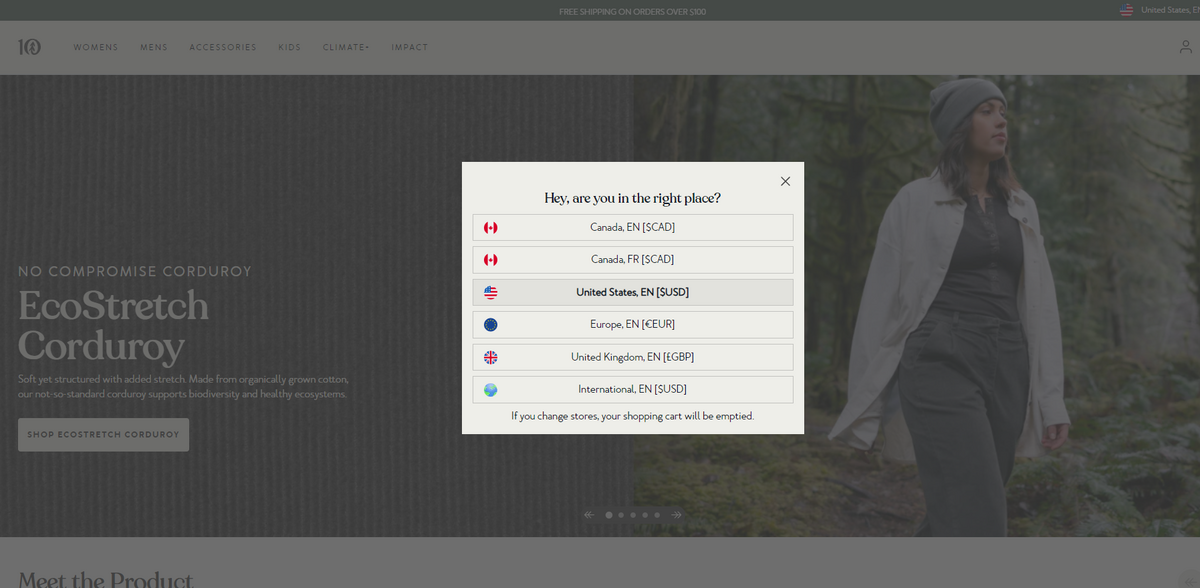
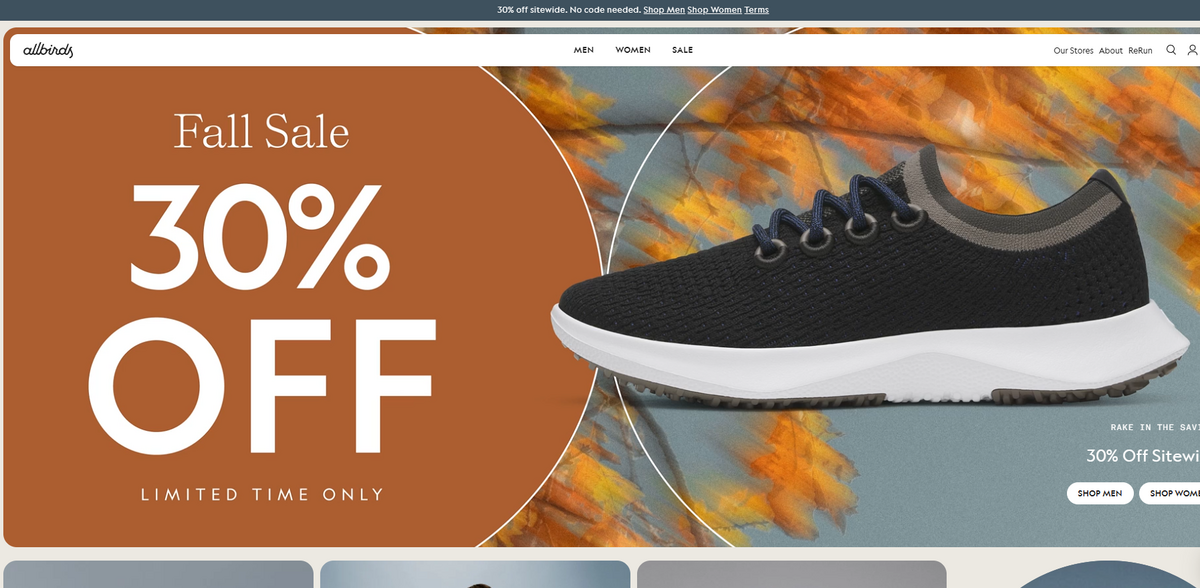
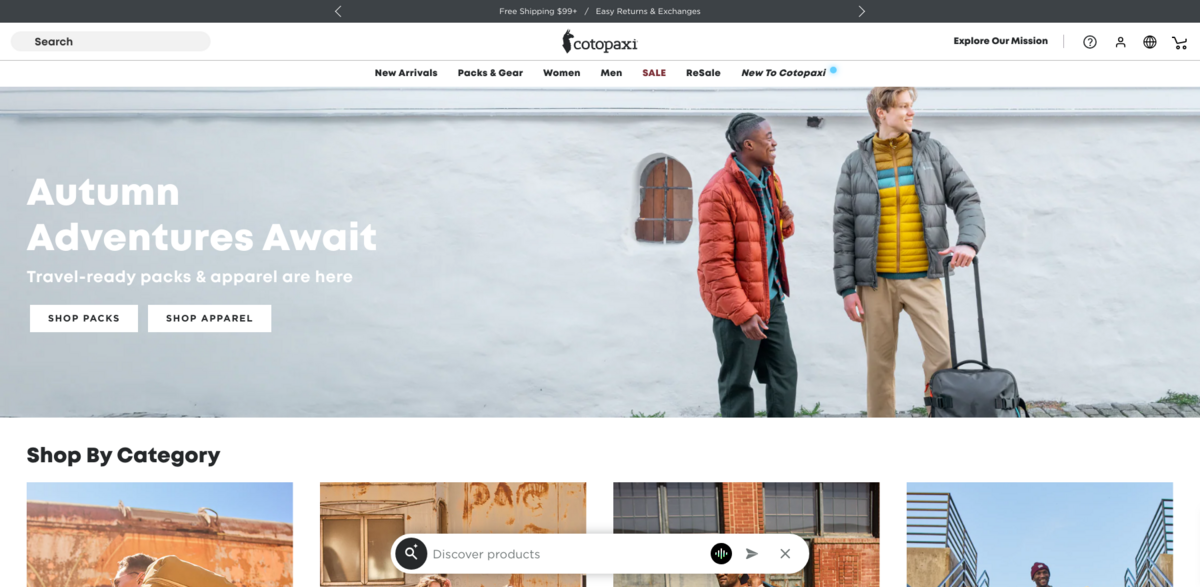
tentree, based in Vancouver, Canada, plants 10 trees for every item sold and has planted more than 117.8 million trees toward a stated goal of 1 billion by 2030, working with Eden Reforestation Projects to track the results. Allbirds takes a materials-first approach, building eco-friendly shoes and apparel for consumers who want a smaller footprint without sacrificing everyday comfort. Cotopaxi applies the same logic to outdoor gear, building a social mission directly into its supply chain.
Made-to-Last, Made-to-Order Design
Cecilie Bahnsen, a Copenhagen fashion house, builds sustainability into production itself: made-to-order couture that reduces overproduction, plus its Encore collection, which upcycles surplus fabric from previous seasons into new garments. PANGAIA takes a similar materials-innovation path, developing new fabrics designed for a lower environmental footprint. CAMPER, the Spanish footwear group, applies sustainability principles across its long-running shoe manufacturing.



Fashion Tied Directly to Social Impact
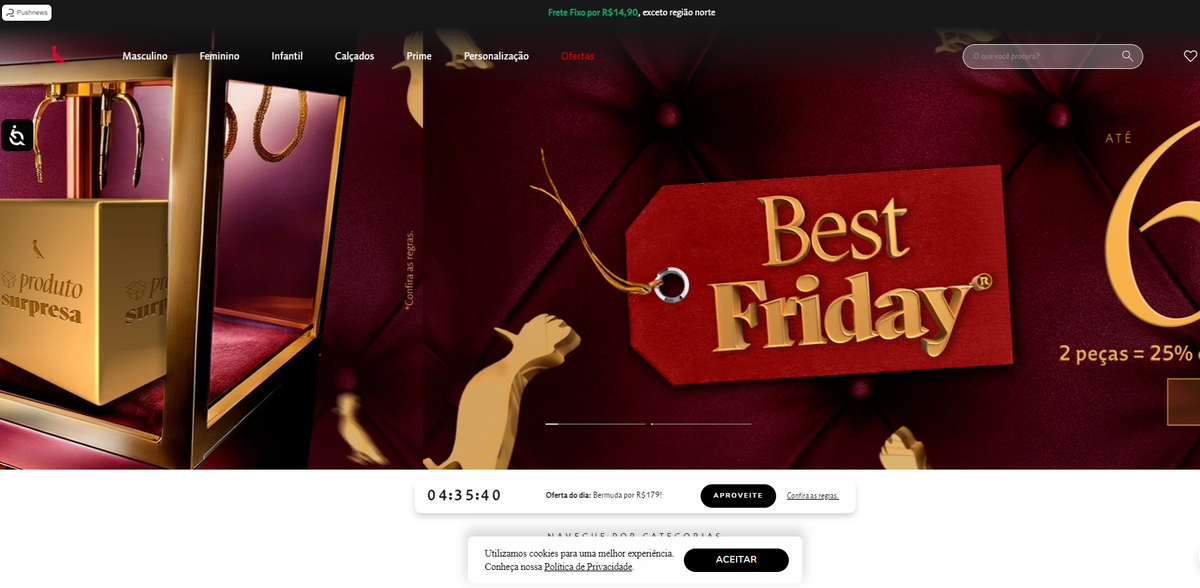
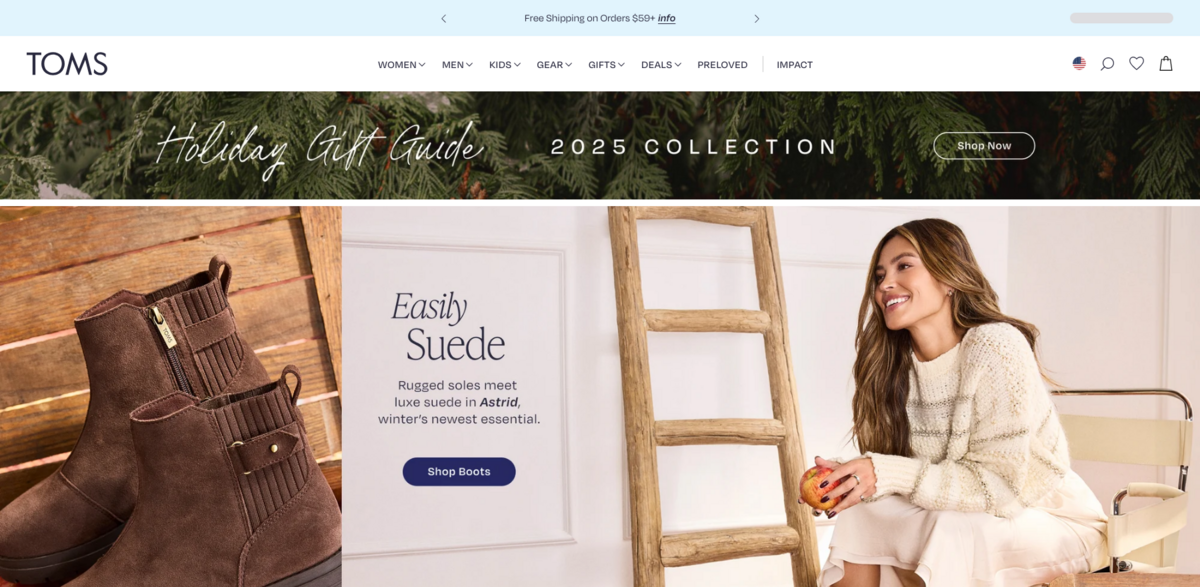
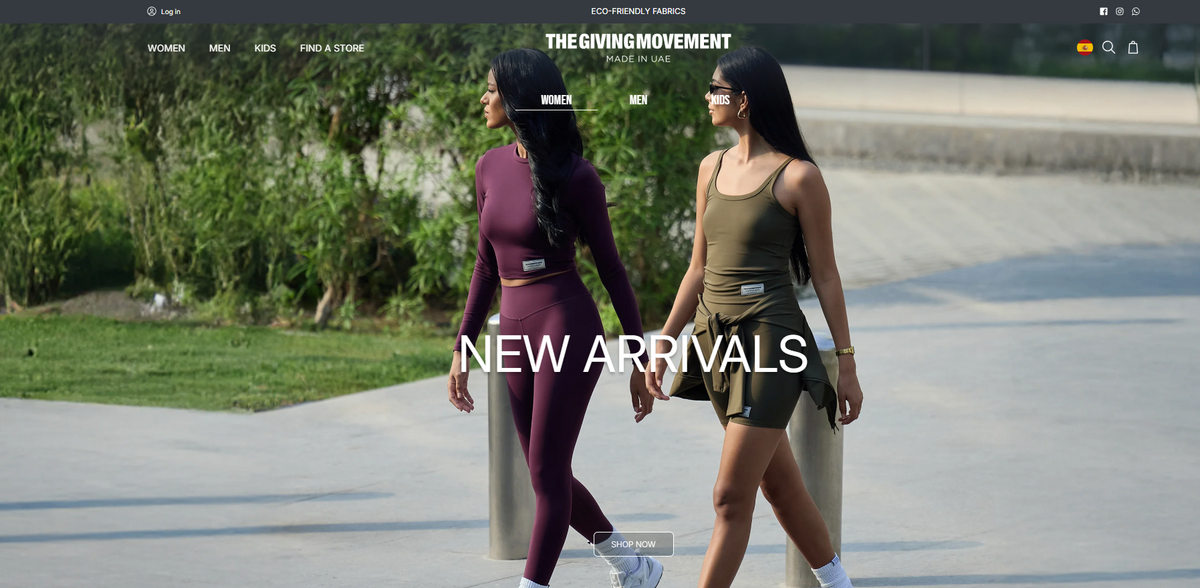
Reserva, founded in Rio de Janeiro, runs its 1P=5P program: every item sold funds 5 meals for people facing food insecurity, distributed through Associacao Banco de Alimentos, a Brazilian food bank network, since 2016. TOMS built its entire model around linking every purchase to a global giving initiative. thegivingmovement, based in the United Arab Emirates, runs community-driven initiatives designed around the same principle: a purchase that does more than clothe the buyer.
Ocean-Conscious and Circular Materials
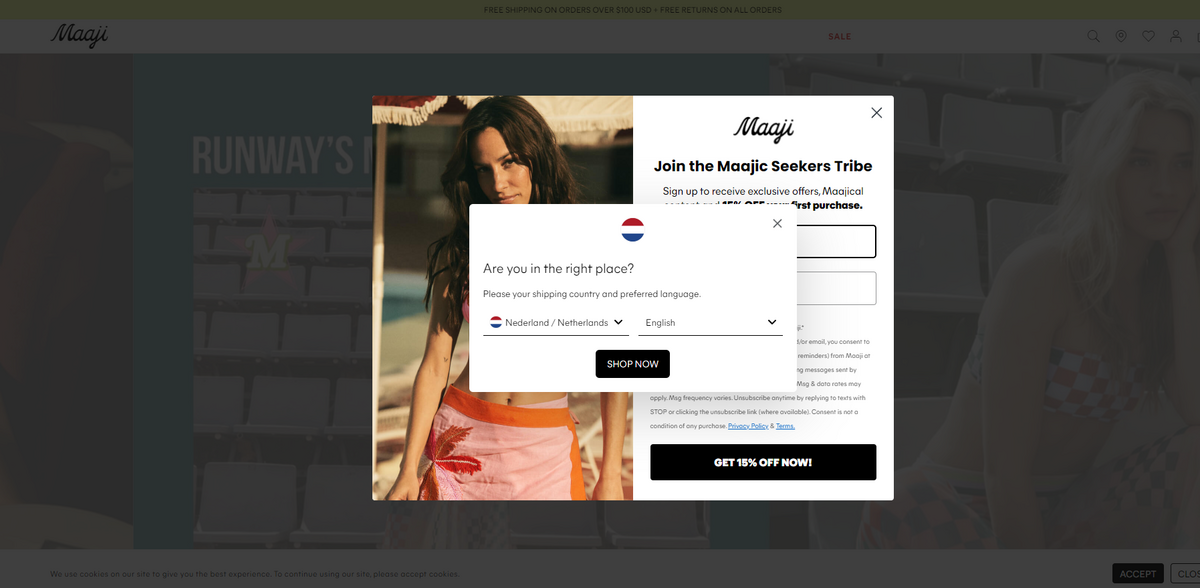
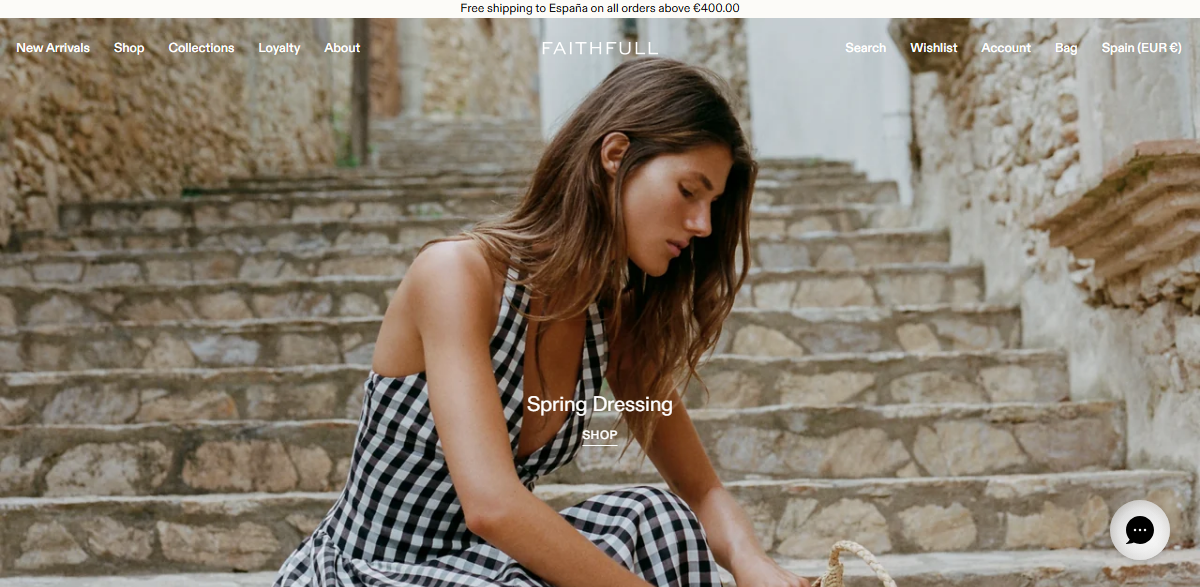
Maaji, a Colombian swimwear brand and Certified B Corporation, builds its swimwear from recycled polyester and recycled nylon, cutting CO2 emissions by 80% and water use by 98% compared to conventional materials, while its Maaji Secondhand Store keeps garments in circulation longer. Faithfull the Brand takes design inspiration from modernist architecture while applying sustainable fashion principles to its production.
Inclusive, Everyday Essentials
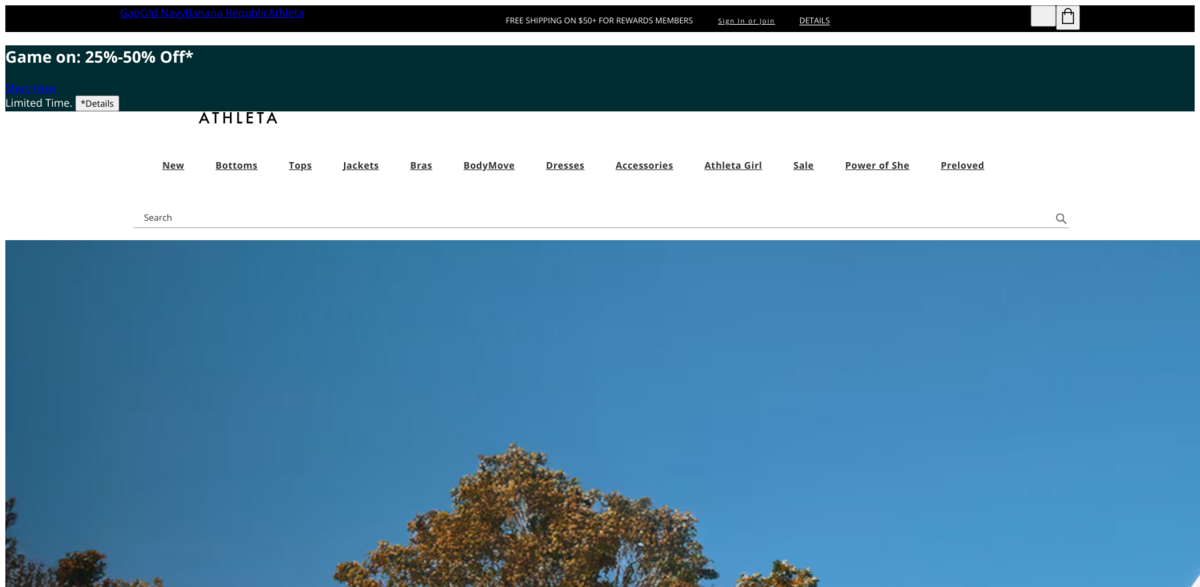
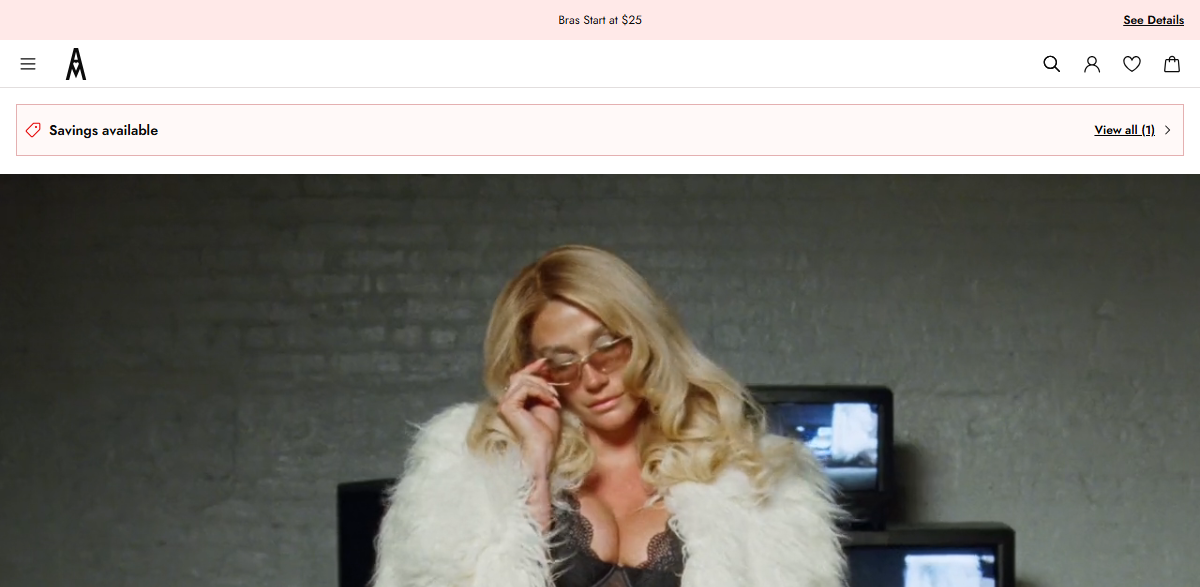
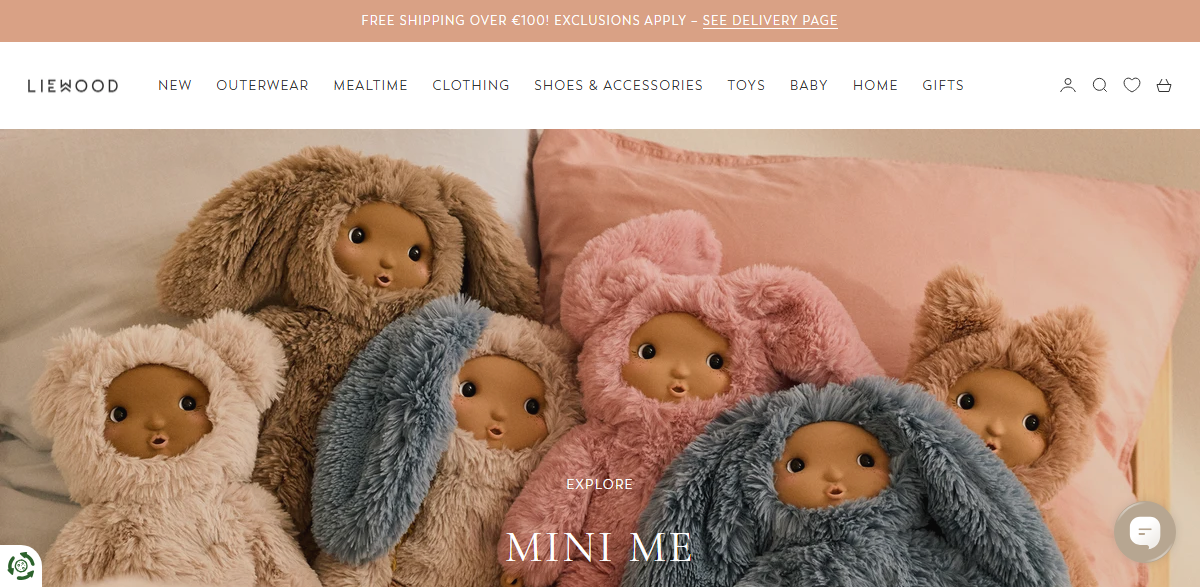
Athleta makes stylish, accessible apparel for everyone, embedding sustainability into a mainstream activewear line. Adore Me applies the same inclusive lens to lingerie and loungewear, designing for every body. Liewood, based in Denmark, extends sustainable design principles to essentials for babies and kids, a category where durability and safe materials matter as much as style.
All 14 Ethical Fashion Brands
Frequently asked questions
What makes a fashion brand genuinely ethical, rather than just marketed that way?
A genuinely ethical fashion brand ties sustainability to a verifiable mechanism, not just language. That can mean a certified status like B Corp, a published impact number such as trees planted or meals funded per item sold, recycled or upcycled materials with measurable environmental savings, or a made-to-order model that reduces overproduction at the source.
How do brands like tentree and Maaji measure their environmental impact?
tentree publishes a live, running total of trees planted, currently over 117.8 million toward a goal of 1 billion by 2030. Maaji reports that its recycled polyester and nylon materials cut CO2 emissions by 80 percent and water use by 98 percent compared to conventional swimwear materials.
How does fashion connect purchases to social impact, as with Reserva and TOMS?
Reserva’s 1P=5P program funds 5 meals for people facing food insecurity for every item sold, distributed through a Brazilian food bank network since 2016. TOMS built its entire business model around linking each purchase to a giving initiative, a structure that helped popularize purpose-driven retail.
What is made-to-order fashion, and why does it matter for sustainability?
Made-to-order fashion, used by brands like Cecilie Bahnsen, produces garments only after they are ordered rather than manufacturing large runs in advance. This reduces the overproduction and unsold inventory that account for a significant share of the fashion industry’s waste.
What role does B Corp certification play among ethical fashion brands?
B Corp certification requires a company to meet verified standards across environmental performance, worker treatment, and governance. Among this group, Reserva and Maaji are both Certified B Corporations, with Reserva scoring 105.8 on the B Impact assessment against a median of 50.9.
Are ethical fashion brands limited to a single product category?
No. This group spans footwear (Allbirds, CAMPER), outdoor gear (Cotopaxi), swimwear (Maaji), activewear (Athleta), lingerie (Adore Me), children’s essentials (Liewood), and general apparel (tentree, Reserva, PANGAIA, TOMS, Cecilie Bahnsen, Faithfull the Brand, thegivingmovement), showing that sustainable practices apply across the full range of fashion categories, not just one niche.
How can consumers verify a brand’s sustainability claims before buying?
Look for third-party certifications like B Corp, published and dated impact numbers rather than vague percentages, named material sourcing (such as recycled polyester or organic cotton), and transparency about where and how garments are manufactured.

Arnaud Michel is the founder and curator of Keys for Tomorrow. In 2014, his master’s thesis on community currencies and sustainable development won the Prix Recherche at Belgium’s Prix de l’Économie Sociale; the research was later published in Ecological Economics (Elsevier, 2015). He curates this directory to the same standard, cross-checking every project against B Corp, 1% for the Planet, and Solar Impulse Foundation records. Connect on LinkedIn.