
Three ways builders are cutting carbon out of construction
Construction & Infrastructure has 797 tracked projects on Keys for Tomorrow. Looking across the catalog, three approaches keep recurring.
Construction’s carbon problem shows up in three places: the materials themselves, how efficiently a building operates once built, and how well infrastructure holds up to climate stress. Looking at real organizations, three approaches keep showing up.
1 Replace carbon-heavy materials
The most direct lever is the material itself — swapping traditional concrete, paint, or paving for lower-carbon or even carbon-capturing alternatives that perform the same structural role.



2 Design for energy efficiency from the start
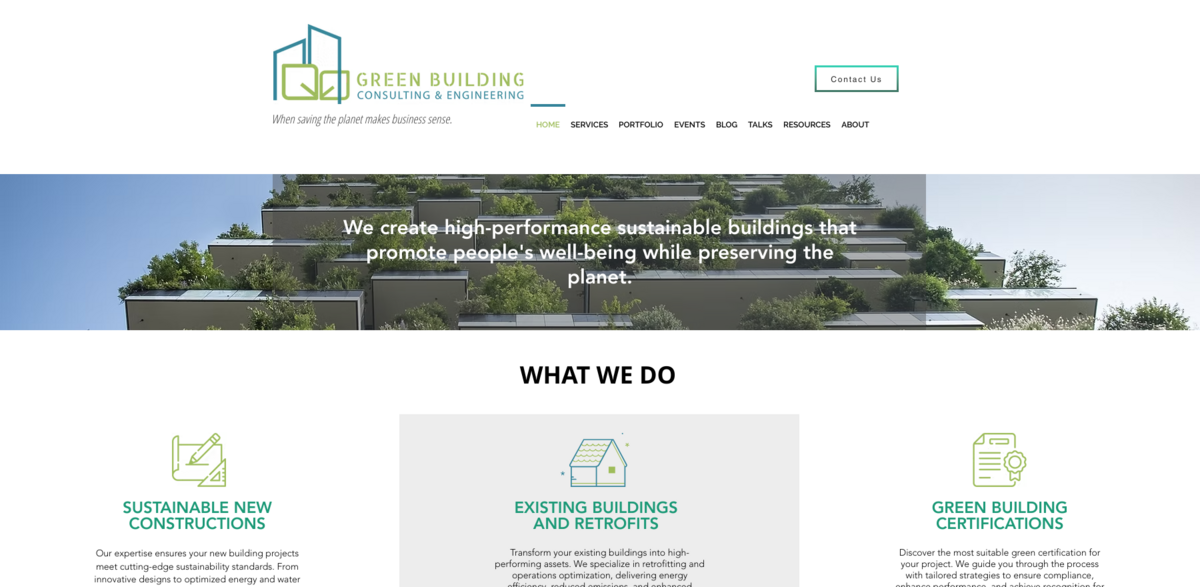
A second group works on the building system itself — energy-efficient design, modular construction, and consulting that bakes efficiency in during planning rather than retrofitting it later.


3 Build climate-resilient infrastructure
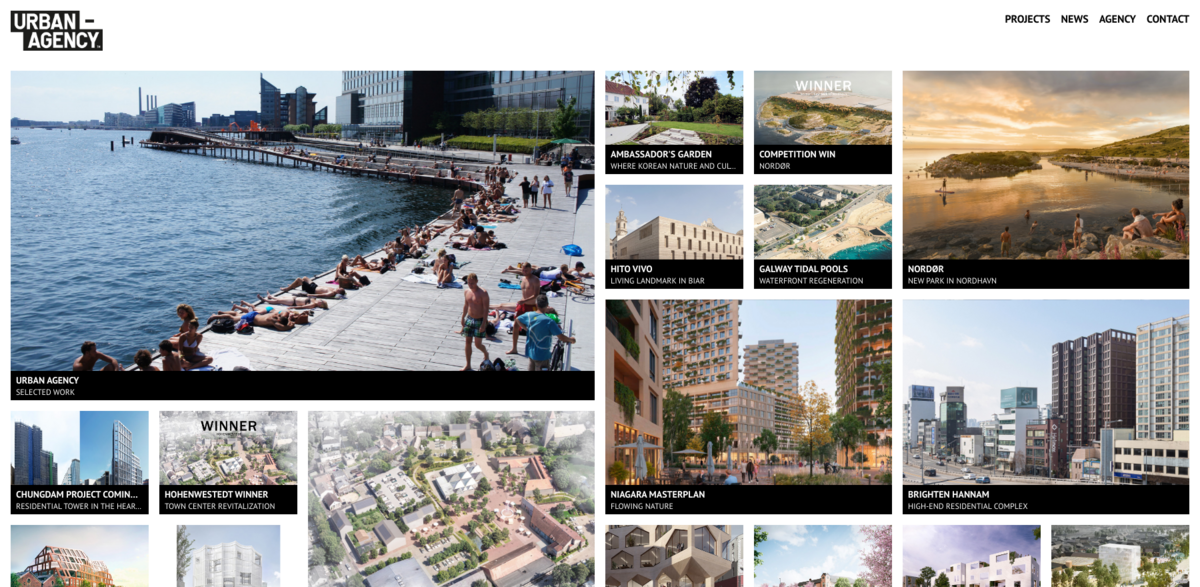
The third pattern looks beyond individual buildings to infrastructure and urban systems designed to withstand climate stress — regenerative design, certification standards, and large-scale urban regeneration.


Frequently asked questions about Sustainable Construction Projects
What makes a construction project “sustainable” on Keys for Tomorrow?
It uses lower-carbon materials, improves building energy efficiency, or addresses infrastructure resilience, verified against the project’s own published specifications.
How many construction and infrastructure projects are listed?
797 as of this writing.
How do these projects relate to green building certifications?
Many listed projects reference third-party standards like LEED and the Living Building Challenge; see the Categories hub for related certification-backed sectors.
Related categories & goals
Every organization above is one of 797 real, catalogued Construction & Infrastructure projects on this platform.
Explore the full list →Sourced from Keys for Tomorrow’s project catalog, verified live 2026-08-09.