Three ways organizations are building justice and strong institutions
SDG 16 aims to promote peaceful, inclusive societies with access to justice and accountable institutions, by 2030. Looking across 222 real projects tracked on this platform, three distinct approaches keep recurring.
Peace and justice aren’t abstractions here. They’re a legal system someone can actually access, and a governance process that’s genuinely accountable. They’re also a civic process that includes people instead of talking past them. Looking at real organizations instead of policy language, three approaches keep showing up.
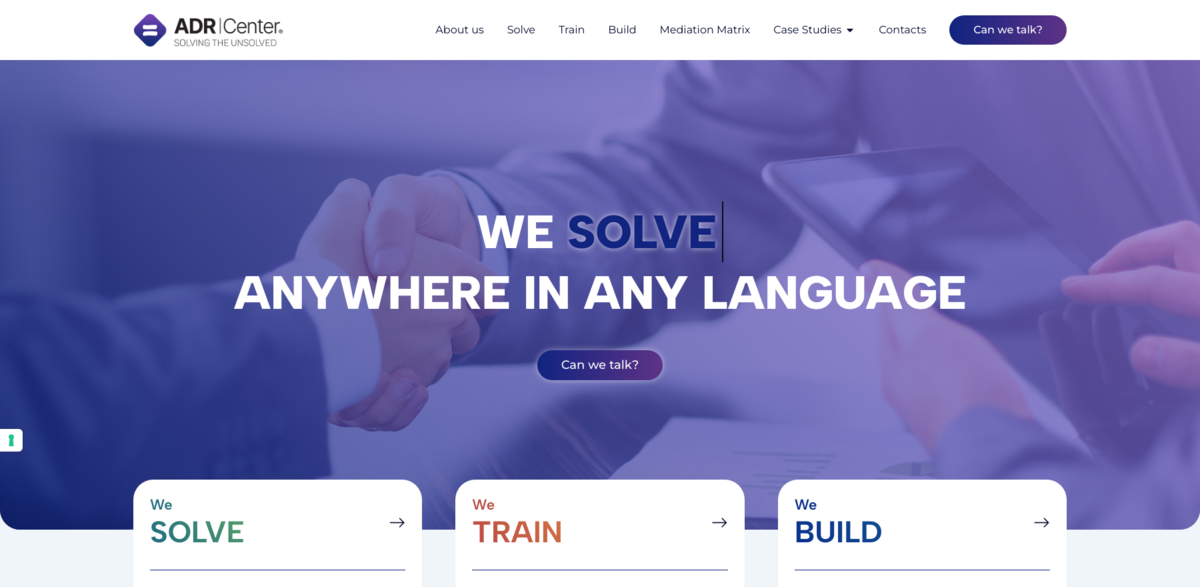
1 Make justice something people can actually reach
Target 16.3’s equal-access-to-justice mandate means little if legal services remain too expensive or too slow for most people to use. Organizations building faster conflict resolution and more accessible legal services close that reach gap directly, without waiting for court systems themselves to reform.

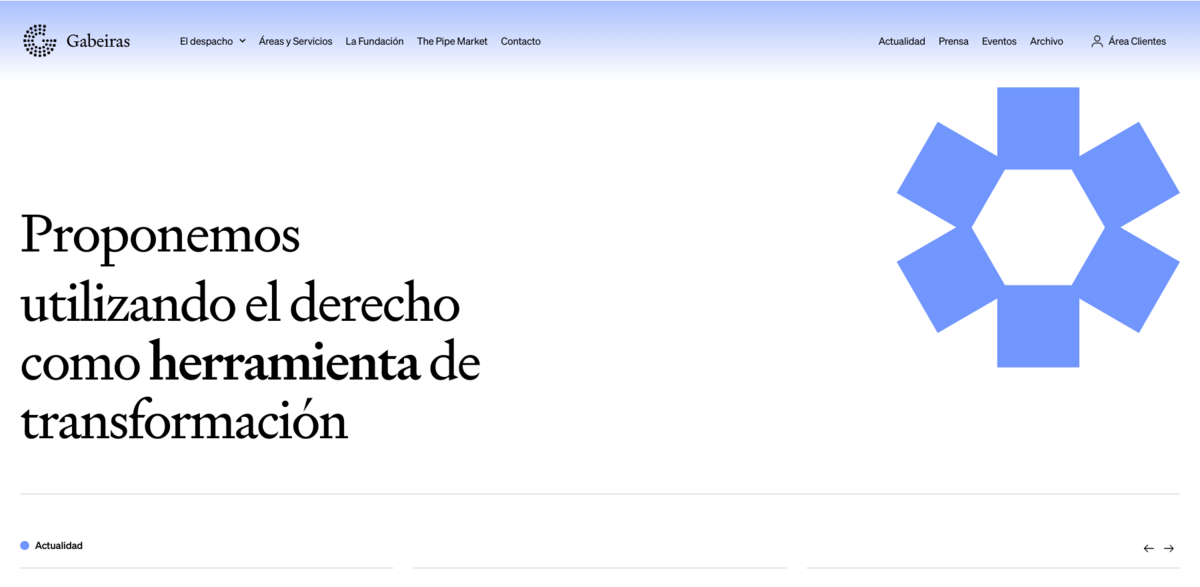
2 Make institutions accountable, not just present
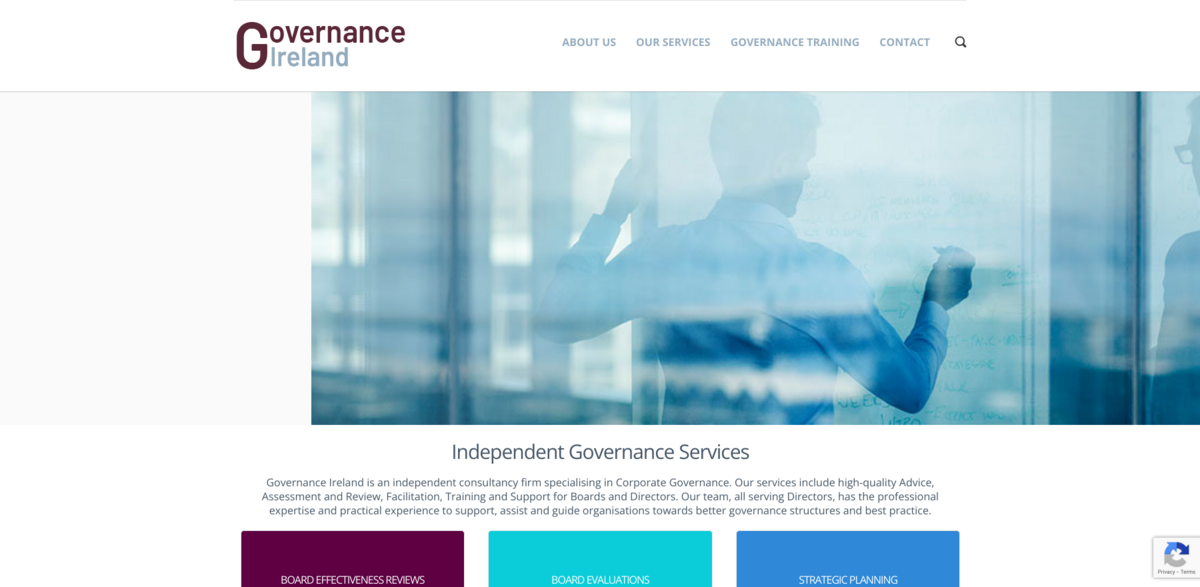
An institution existing on paper isn’t the same as it functioning transparently. Corporate governance consultancies and human-centered data platforms make institutional decision-making genuinely traceable. That’s what target 16.5’s anti-corruption mandate looks like applied inside organizations, not just governments.

3 Bring civic participation to where people already are
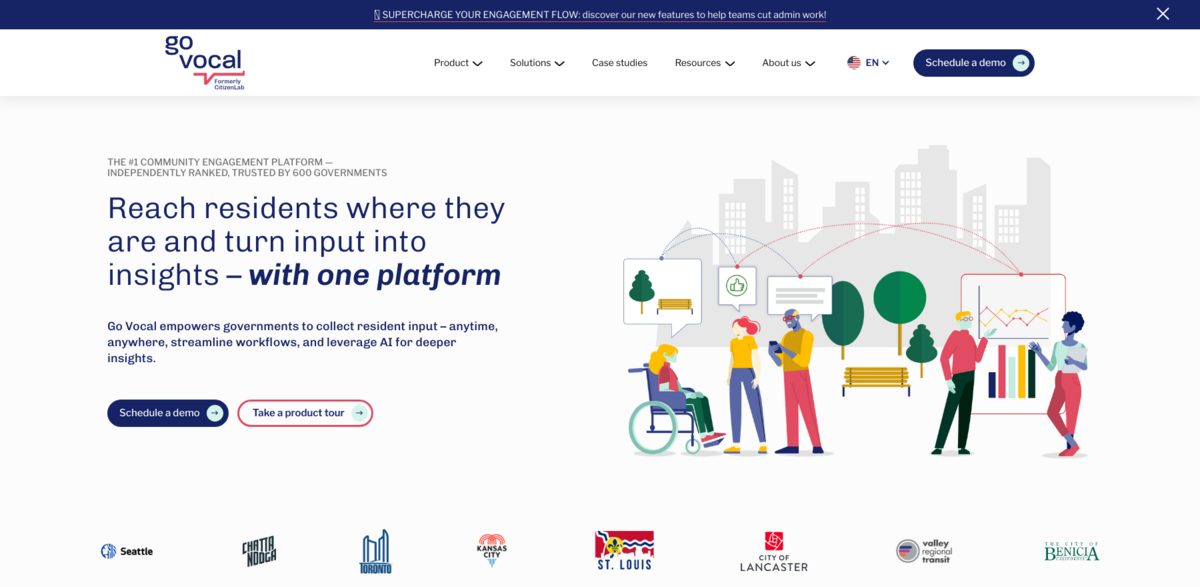
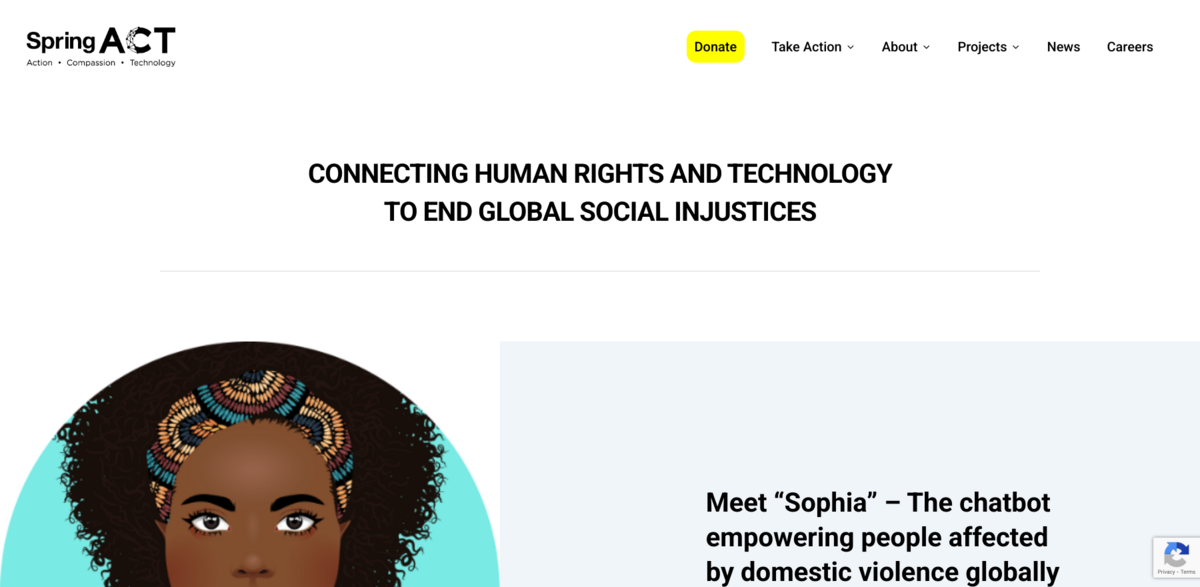
Target 16.7’s call for inclusive, participatory decision-making runs into a practical problem. Traditional civic engagement (town halls, public comment periods) reaches only a small, self-selected slice of a community. Digital platforms and human-rights technology built to include a broader base directly address that participation gap.

What the UN’s own targets actually require
- 16.1 — Significantly reduce all forms of violence and related death rates
- 16.3 — Promote the rule of law and ensure equal access to justice
- 16.5 — Substantially reduce corruption and bribery
- 16.7 — Ensure responsive, inclusive, participatory, and representative decision-making
- 16.10 — Ensure public access to information and protect fundamental freedoms
Frequently asked questions about SDG 16
What is SDG 16?
SDG 16: Peace, Justice, and Strong Institutions is the sixteenth of the United Nations’ Sustainable Development Goals under Agenda 2030. It focuses on promoting peaceful societies, justice for all, and inclusive, accountable institutions at all levels.
Why is SDG 16 important?
Without peace and effective institutions, societies struggle with conflict, violence, corruption, and lack of justice. Achieving SDG 16 ensures security, human rights, and effective governance, forming the foundation the other SDGs depend on.
What are the key targets of SDG 16?
Reducing all forms of violence; promoting the rule of law and equal access to justice; substantially reducing corruption. Also ensuring inclusive, participatory decision-making, and public access to information and fundamental freedoms.
How does SDG 16 relate to Agenda 2030?
SDG 16 intersects with gender equality (SDG 5), decent work (SDG 8), and reduced inequalities (SDG 10). Peace, justice, and strong institutions provide the stable foundation the rest of the framework depends on.
What are the biggest challenges to achieving SDG 16?
Corruption and lack of accountability in governance, and insecurity and violent conflict. Also weak justice systems and barriers to access, and exclusion of marginalized groups from decision-making.
How can governments help achieve SDG 16?
Governments can ensure the rule of law and equal access to justice, and fight corruption and promote transparency. They can also promote inclusive decision-making and human rights, and ensure access to essential public services.
What role do businesses play in SDG 16?
Businesses can adopt anti-corruption measures, promote fair labor practices, support social justice initiatives, and ensure responsible practices across all sectors. The three approaches above are what that looks like in practice.
How can individuals contribute to SDG 16?
Advocate for peace, justice, and human rights locally, and support transparency and accountability in governance. Also stand against corruption and discrimination, and participate in democratic processes.
How is progress on SDG 16 measured?
The UN tracks reduction in violence and violent crime, and improvement in justice systems and rule of law. Also corruption levels and institutional transparency, and access to public information.
Can SDG 16 be achieved by 2030?
It’s possible with strong global cooperation. Challenges like conflict, corruption, and human rights violations remain, but political will and institutional reform can move the world toward this target.
Related goals
Every organization above is one of 222 real, catalogued SDG 16 projects on this platform.
Explore the full list →Sourced from Keys for Tomorrow’s project catalog and the UN Sustainable Development Goals framework (sdgs.un.org).