
Three ways organizations are protecting life below water
SDG 14 aims to conserve and sustainably use the oceans, seas, and marine resources, by 2030. Looking across 345 real projects tracked on this platform, three distinct approaches keep recurring.
Ocean health depends on three separate fronts holding at once. Fishing that doesn’t outpace what stocks can regenerate, pollution that stops entering the water in the first place, and the science that tells everyone else whether any of it is working. Looking at real organizations instead of policy language, three approaches keep showing up.
1 Make fishing sustainable rather than extractive
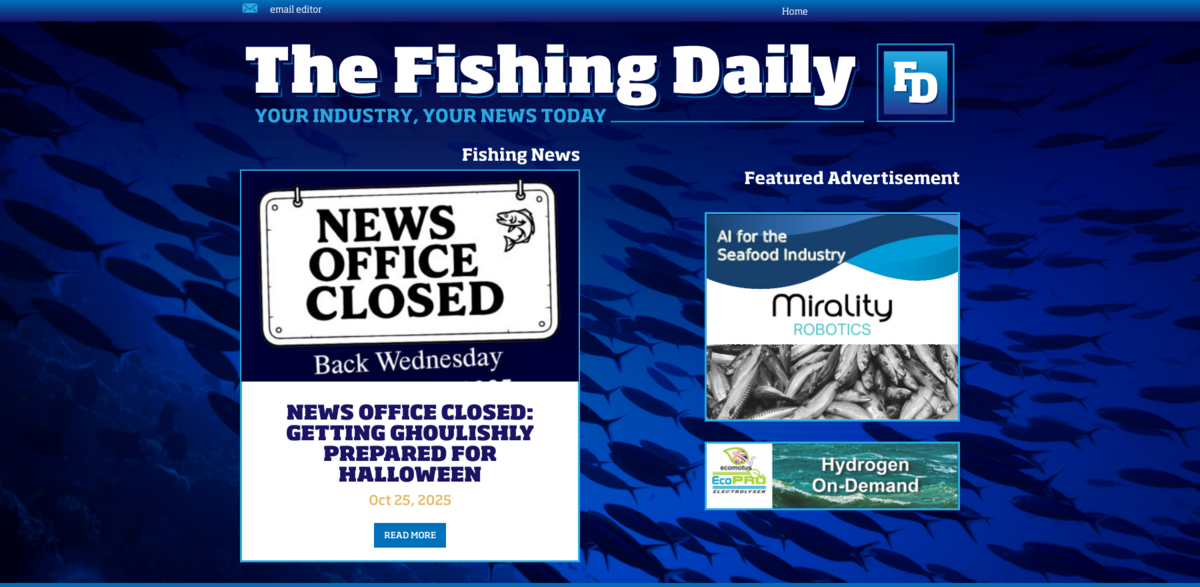
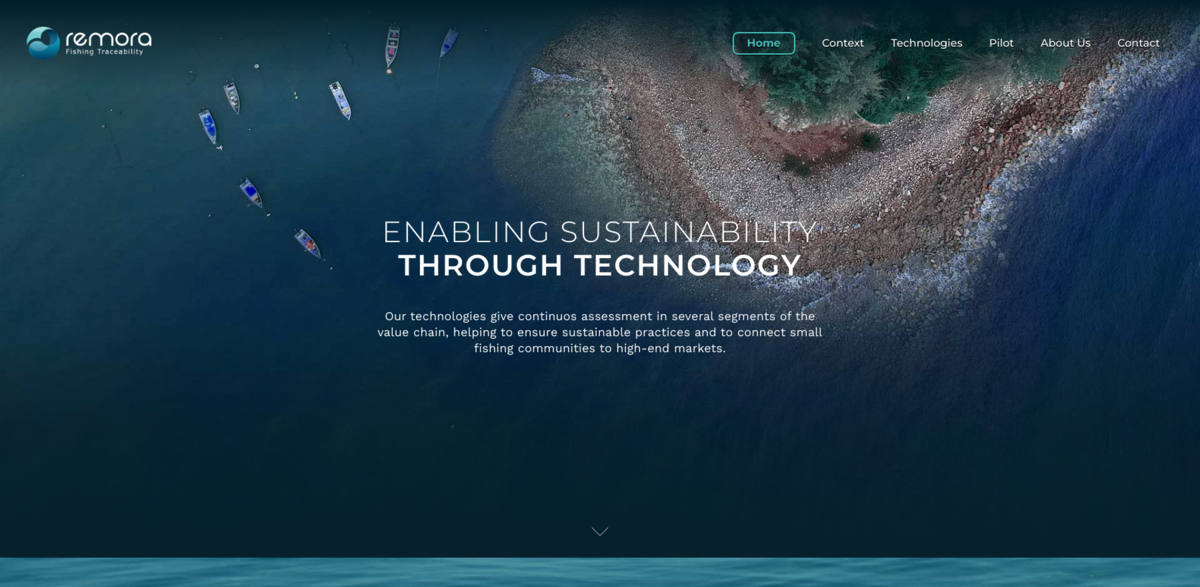
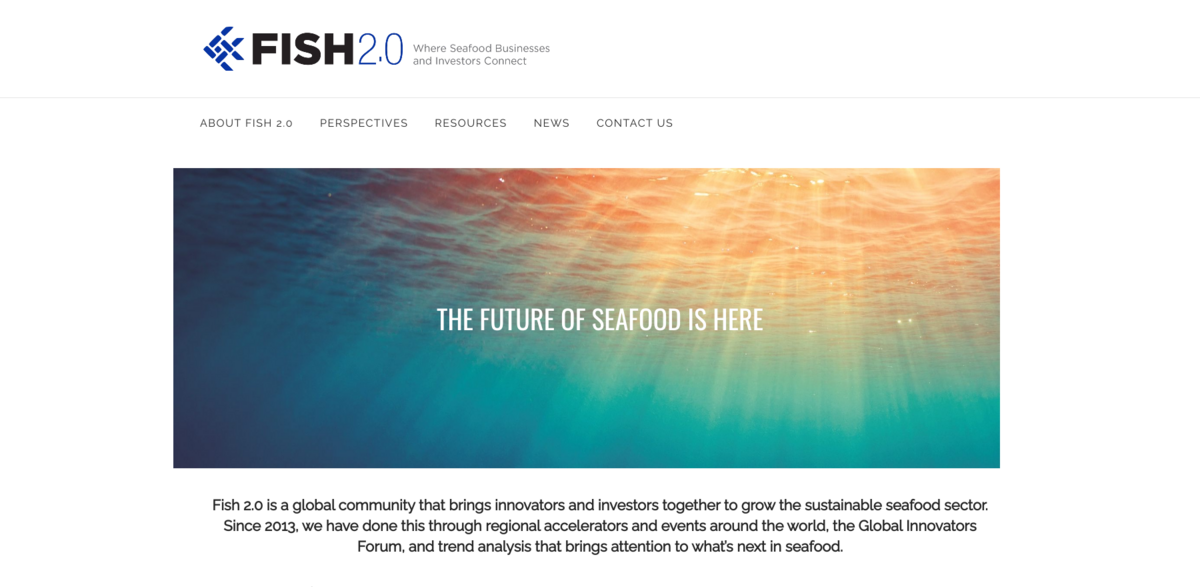
Overfishing is one of the most direct threats named in target 14.4. It’s also one of the most solvable. The fix runs through better regulation advocacy, smarter fish-transport technology, and market platforms that connect sustainable seafood producers to buyers who’ll actually pay for it. This approach works on the supply side of the ocean economy directly.
2 Stop pollution from entering the water in the first place
Beyond fishing pressure, oceans absorb plastic waste and toxic runoff from products never designed with marine impact in mind — boat hull coatings, discarded plastic. Redesigning these products at the source, rather than cleaning up after the fact, is what target 14.1’s pollution-reduction mandate looks like upstream of the ocean itself.


3 Measure ocean health so conservation can actually be targeted
Effective marine protection requires knowing what’s happening below the surface. That’s why target 14.a’s mandate to increase scientific knowledge exists — conservation without data is guesswork. Monitoring technology and firsthand ocean exploration generate the evidence that policy and protected-area decisions actually depend on.

What the UN’s own targets actually require
- 14.1 — Prevent and significantly reduce marine pollution of all kinds
- 14.2 — Protect and restore ecosystems and biodiversity in oceans and seas
- 14.4 — Regulate overfishing and implement sustainable fishing practices
- 14.5 — Conserve at least 10% of coastal and marine areas through protected areas
- 14.a — Increase scientific knowledge to improve ocean health
Frequently asked questions about SDG 14
What is SDG 14?
SDG 14: Life Below Water is the fourteenth of the United Nations’ Sustainable Development Goals under Agenda 2030. It aims to conserve and sustainably use marine resources, reduce marine pollution, and protect ocean ecosystems.
Why is SDG 14 important?
Oceans cover over 70% of the Earth’s surface and support millions of species, providing oxygen, food, and climate regulation. Protecting oceans is essential for human health, biodiversity, and sustainable economies.
What are the key targets of SDG 14?
Preventing marine pollution; protecting and restoring ocean ecosystems and biodiversity; regulating overfishing. Also conserving at least 10% of coastal and marine areas, and increasing scientific knowledge to improve ocean health.
How does SDG 14 relate to Agenda 2030?
SDG 14 is linked to poverty reduction (SDG 1), responsible consumption (SDG 12), climate action (SDG 13), and life on land (SDG 15). Healthy oceans matter to the roughly 3 billion people who rely on them for their livelihoods.
What are the biggest challenges to achieving SDG 14?
Overfishing and depletion of marine resources, plastic pollution and marine debris, and destruction of coastal ecosystems like coral reefs and mangroves. Also climate change effects including ocean acidification.
How can governments help achieve SDG 14?
Governments can enforce sustainable fishing regulations and implement plastic waste reduction policies. They can also promote marine protected areas, and support international ocean conservation agreements.
What role do businesses play in SDG 14?
Businesses can adopt sustainable fishing practices, reduce plastic packaging, invest in ocean conservation, and promote marine pollution awareness. The three approaches above are what that looks like in practice.
How can individuals contribute to SDG 14?
Reduce plastic use and recycle, and support sustainable seafood and avoid overfished species. Also participate in beach clean-ups, and advocate for stronger ocean protection policies.
How is progress on SDG 14 measured?
The UN tracks marine pollution levels, and the area of marine protected zones and coral reefs. Also fish stock sustainability, and ecosystem restoration and biodiversity monitoring.
Can SDG 14 be achieved by 2030?
There has been progress in marine conservation. But pollution, overfishing, and climate change require urgent coordinated global action to meet the 2030 target.
Related goals
Every organization above is one of 345 real, catalogued SDG 14 projects on this platform.
Explore the full list →Sourced from Keys for Tomorrow’s project catalog and the UN Sustainable Development Goals framework (sdgs.un.org).