Three ways food and farming projects are cutting waste at the source
Agriculture & Food is Keys for Tomorrow’s third-largest category, with 1,139 tracked projects. Looking across the catalog, three approaches keep recurring.
Food sustainability is rarely one fix. It shows up at the input side (soil, water, energy for drying and processing), the supply-chain side (traceability, waste), and the product side itself. Looking at real organizations, three approaches keep showing up.
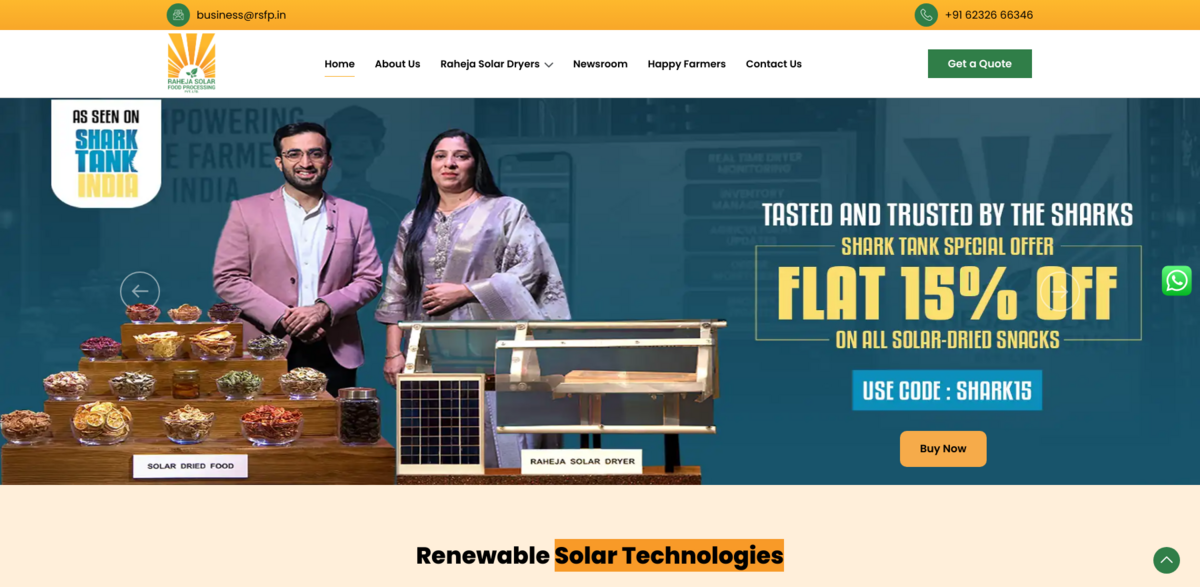
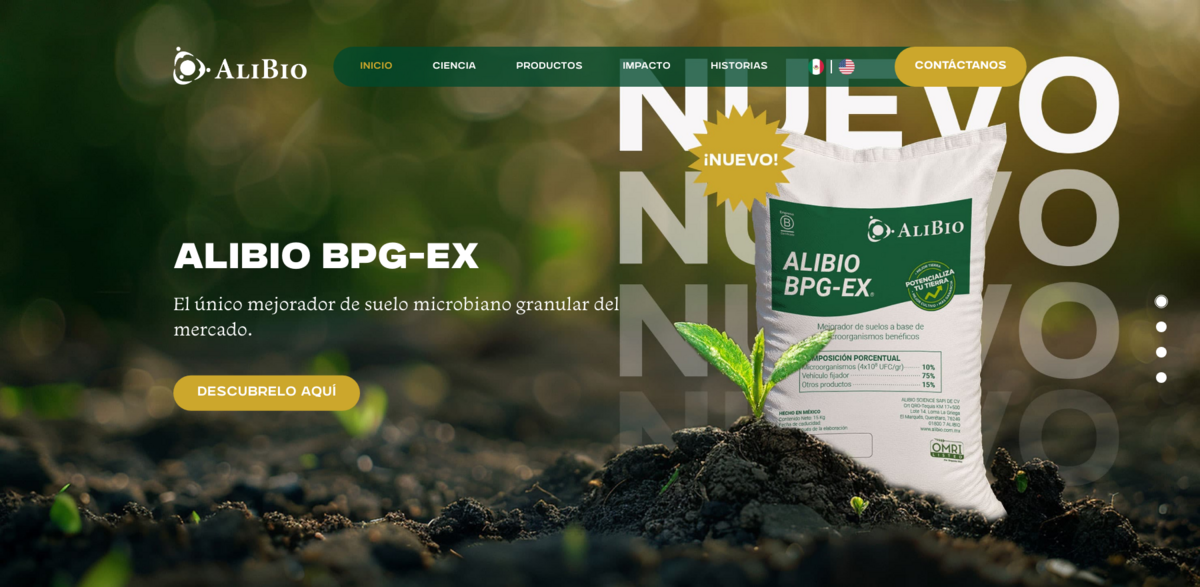
1 Fix the farming input, not just the crop
A recurring pattern: instead of a new crop or seed, fix an input that’s holding a farm back — drying energy, soil microbiology, water access — so yields and quality improve without new debt or land.

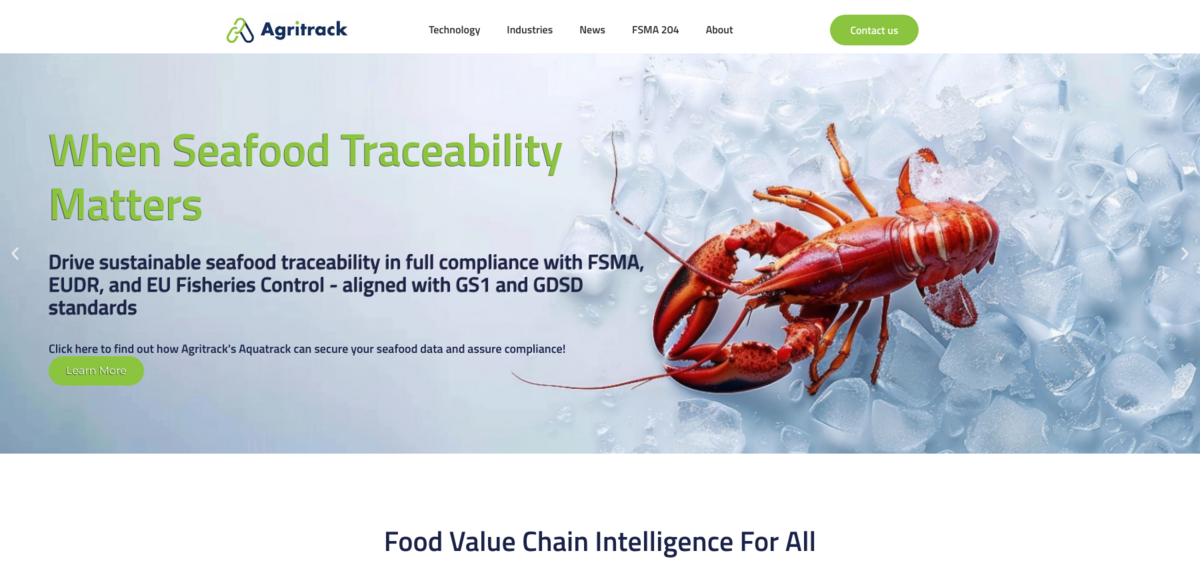
2 Make the supply chain traceable
A second group tackles the gap between farm and plate — traceability platforms and monitoring tools that make food supply chains verifiable end to end, reducing waste from spoilage and mislabeling.


3 Build the sustainable product itself
The third pattern is the food or drink product itself, made with sustainability built into sourcing and process from day one — not a certification bolted on afterward.


Frequently asked questions about Sustainable Agriculture Projects
What makes an agriculture project “sustainable” on Keys for Tomorrow?
It reduces farming’s environmental footprint, improves food traceability, or cuts waste somewhere in the food supply chain, verified against the project’s own published sourcing.
How many agriculture and food projects are listed?
1,139 as of this writing, the platform’s third-largest category.
Where can I compare agriculture projects by country?
Use the Countries hub to filter projects geographically, or the Agriculture & Food archive to browse the full category.
Related categories & goals
Every organization above is one of 1,139 real, catalogued Agriculture & Food projects on this platform.
Explore the full list →Sourced from Keys for Tomorrow’s project catalog, verified live 2026-08-09.