Three ways organizations are closing the clean water gap
SDG 6 aims to ensure availability and sustainable management of water and sanitation for all, by 2030. Looking across 525 real projects tracked on this platform, three distinct approaches keep recurring.
Water scarcity isn’t only about supply. It’s also about what leaks out of the system before it reaches anyone, and how efficiently what’s left gets used. Looking at real organizations instead of policy language, three approaches keep showing up.
1 Generate clean water where there isn't any
In some places, the problem isn’t distribution — there’s genuinely no accessible clean water source nearby. Technology that creates potable water from air or treats wastewater back into a usable state directly serves target 6.1’s universal access mandate. It adds supply rather than redistributing an already-scarce resource.

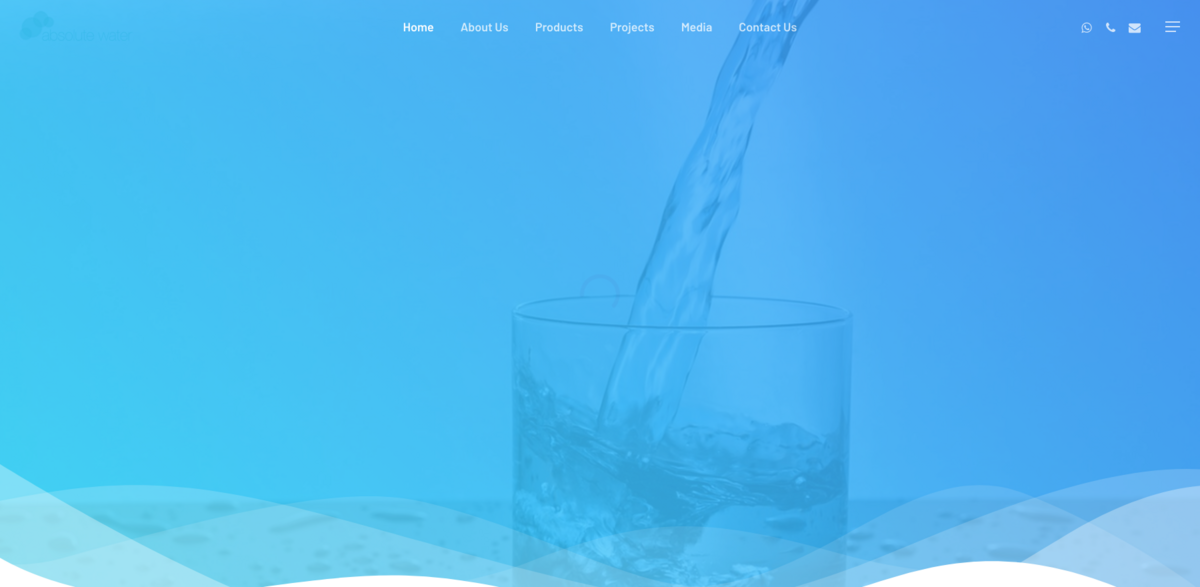

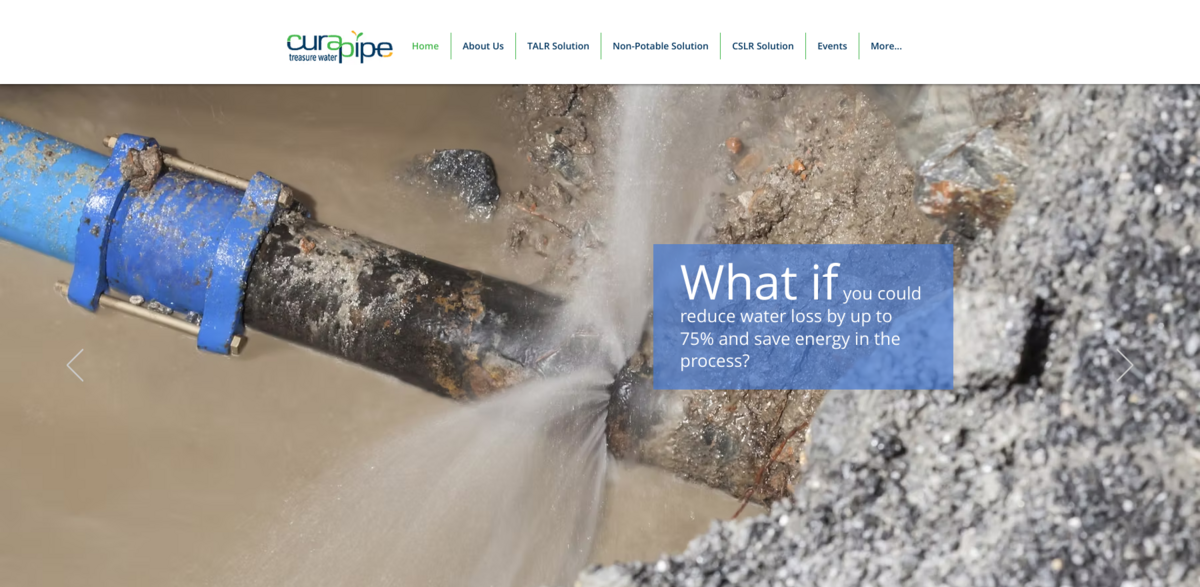
2 Stop the water that's already treated from leaking away
A significant share of treated municipal water never reaches a tap — it’s lost to aging pipes and undetected leaks before anyone can use it. Finding and repairing that loss is a quieter fix than new supply. It directly reduces the pressure on target 6.4’s efficiency mandate without needing a single new water source.

3 Make every liter already in the system go further
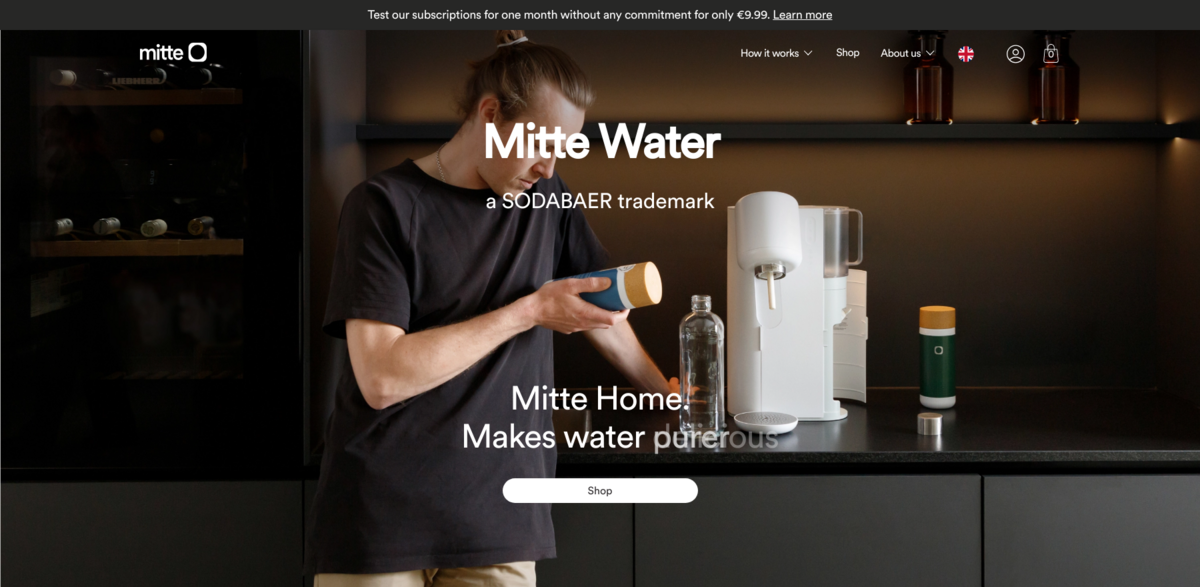
Even with enough water and no leaks, a lot of it is used inefficiently — irrigation that overwaters, filtration that wastes what it processes. Precision technology that stretches existing water further is what target 6.4’s push for water-use efficiency looks like. It plays out at the level of an individual farm or household.
What the UN’s own targets actually require
- 6.1 — Ensure universal and equitable access to safe drinking water
- 6.2 — Provide adequate sanitation and hygiene for all
- 6.3 — Improve water quality by reducing pollution and wastewater
- 6.4 — Increase water-use efficiency and sustainable withdrawals
- 6.6 — Protect and restore water-related ecosystems
Frequently asked questions about SDG 6
What is SDG 6?
SDG 6: Clean Water and Sanitation is the sixth of the United Nations’ Sustainable Development Goals under Agenda 2030. It aims to ensure universal access to clean drinking water, proper sanitation, and sustainable water management.
Why is SDG 6 important?
Water is essential for human survival, agriculture, industry, and ecosystems. Without proper water and sanitation, communities face disease outbreaks, food insecurity, and economic instability.
What are the key targets of SDG 6?
Universal and equitable access to safe drinking water; adequate sanitation and hygiene for all; and improved water quality by reducing pollution. Also: increased water-use efficiency; integrated water resources management; and protecting water-related ecosystems.
How does SDG 6 relate to Agenda 2030?
SDG 6 is closely linked to good health (SDG 3), food security (SDG 2), and climate action (SDG 13). Sustainable water management supports economic growth, ecosystem protection, and disaster resilience.
What are the biggest challenges to achieving SDG 6?
Water scarcity due to climate change and overuse, and pollution from industrial waste and agriculture. Also: lack of sanitation infrastructure in rural areas, and unequal access to water resources between regions.
How can governments help achieve SDG 6?
Governments can invest in water infrastructure and sanitation services, and enforce pollution regulations. They can also promote rainwater harvesting and efficient use, and ensure fair water distribution.
What role do businesses play in SDG 6?
Businesses can develop water-efficient technologies, reduce water waste in manufacturing, support clean water initiatives locally, and advocate for corporate responsibility in water management. The three approaches above are what that looks like in practice.
How can individuals contribute to SDG 6?
Reduce daily water consumption at home, and avoid products that contribute to water pollution. Support organizations providing clean water access, and raise awareness about water conservation.
How is progress on SDG 6 measured?
The UN tracks the percentage of the population with safe drinking water access, and availability of sanitation services. It also tracks water quality and pollution levels, and efficiency of water use in agriculture and industry.
Will the world achieve SDG 6 by 2030?
Progress is being made, but water scarcity, pollution, and infrastructure gaps remain major hurdles. Achieving SDG 6 requires strong policy commitments, technological innovation, and global cooperation.
Related goals
Every organization above is one of 525 real, catalogued SDG 6 projects on this platform.
Explore the full list →Sourced from Keys for Tomorrow’s project catalog and the UN Sustainable Development Goals framework (sdgs.un.org).