15 Ethical Fashion Brands Rethinking How Clothes Get Made
·
Ethical Fashion
·
September 2026
Ethical fashion is one of the most-searched sustainability categories on Keys for Tomorrow, and for good reason: clothing production is one of the few purchase decisions almost everyone makes repeatedly, which means the supply chain choices behind it compound fast. The 15 brands below span permanent-collection basics, circular resale, footwear, and vertically integrated textile manufacturing, each grounded in a specific, verifiable practice rather than a marketing slogan.
Permanent collections and slow fashion
ASKET, founded in Sweden in 2015, built its entire model around rejecting seasonal drops. It sells a single permanent collection of essentials made from organic and recycled materials, with transparency published down to the manufacturing level for each garment. The idea is simple: fewer, better pieces that don’t need replacing every season.
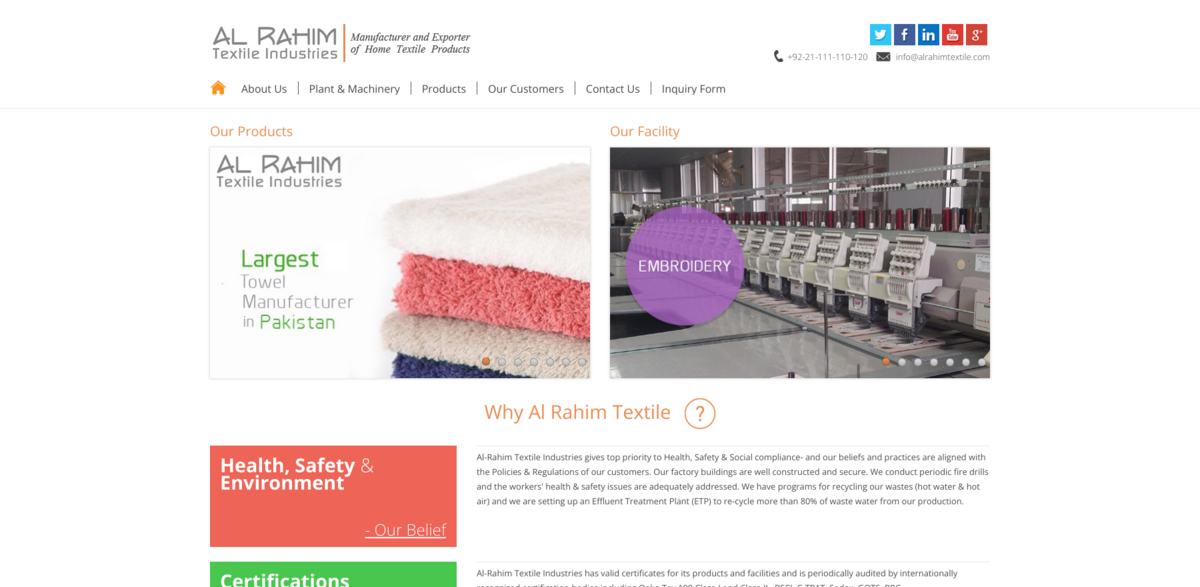
Al-Rahim Textile Industries, operating from a 38-acre, vertically integrated site near Karachi, Pakistan since 1991, sits upstream of most consumer fashion brands. It manufactures towels, bedding, and kitchen linens for a global customer base under one roof, with its own stated health, safety, and environmental compliance standards.

Circular and secondhand fashion
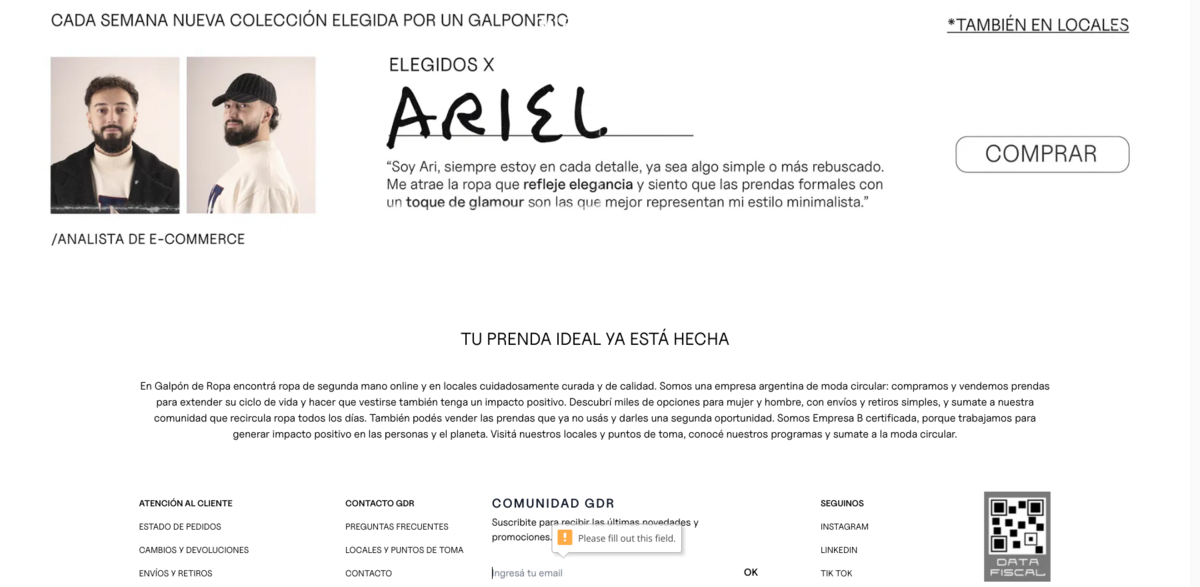
Galpón de Ropa, an Argentine circular fashion company, buys and resells garments to extend their working life rather than sourcing everything new. Customers can also sell clothes back into the system, keeping the loop running both directions across its physical stores and online shop.
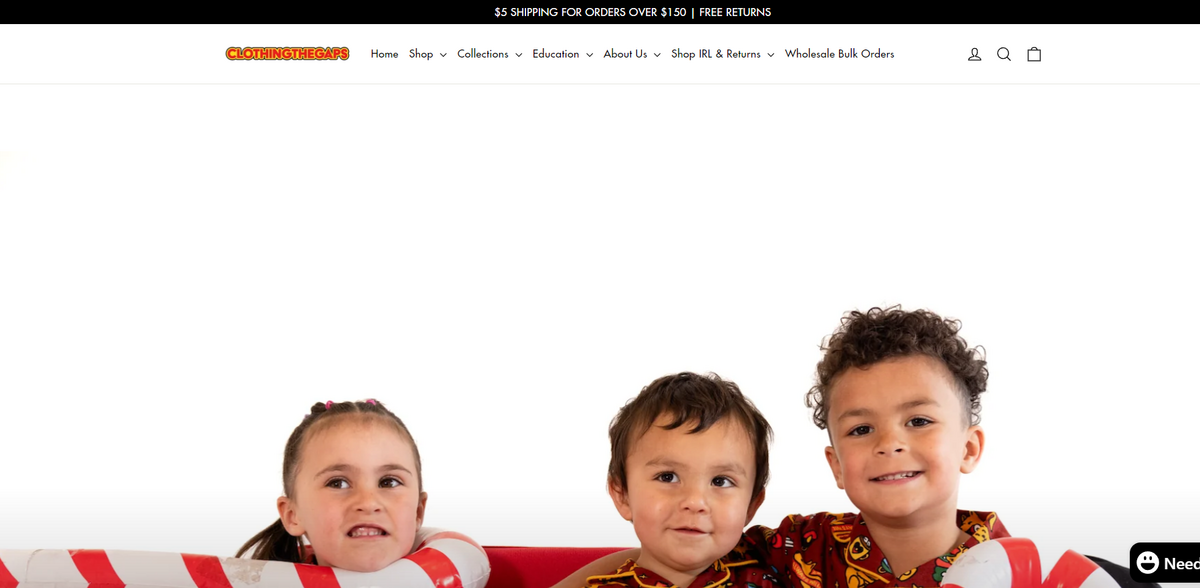
Clothing The Gaps, an Australian apparel brand, built its returns and exchanges policy explicitly around waste reduction, aiming to keep unwanted garments in circulation rather than heading to landfill after a single failed fit.
Footwear and accessories
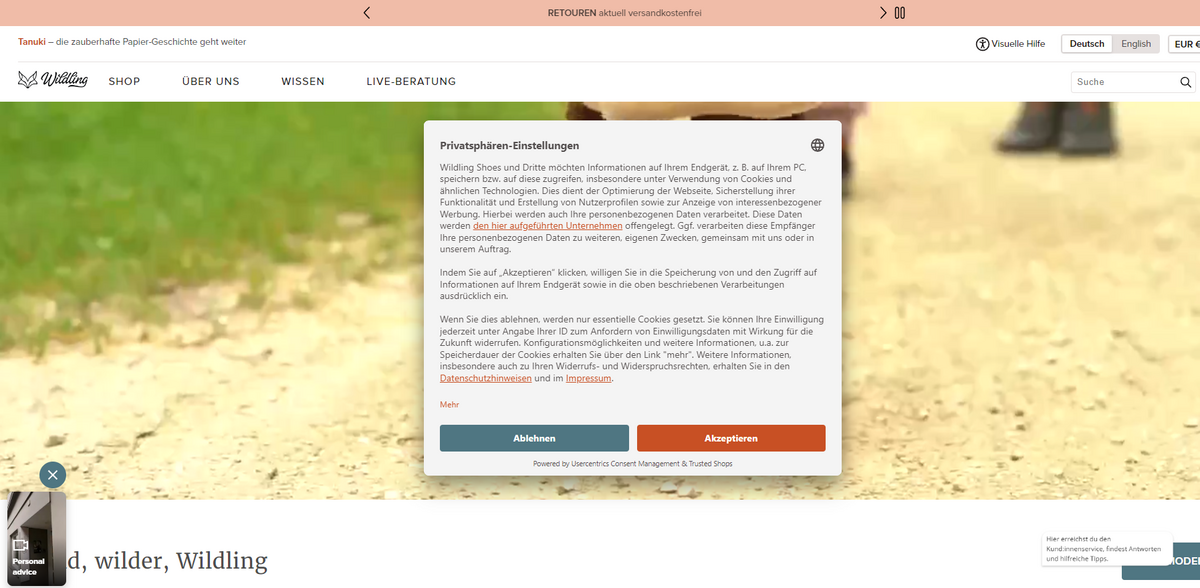
Wildling Shoes, a German barefoot and minimal footwear brand, holds a B Corp score of 85.7, five points above the 80-point certification threshold. Its shoes are designed around natural foot movement rather than conventional cushioned construction.
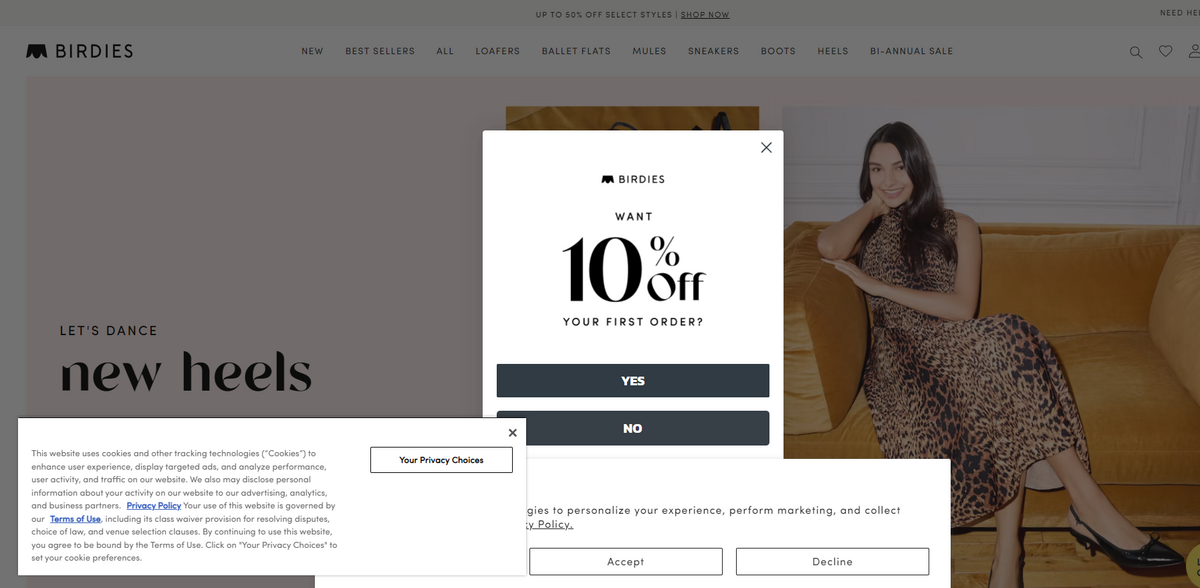
Birdies, a San Francisco footwear brand with a B Corp score of 80.1, built its collection of flats around women’s comfort and everyday wear, with a specific focus on women’s empowerment woven into its product and community messaging.
Will & Bear, an Australian hat company founded by Lauren Williams and Alex Knorr in 2016, makes hats from natural fibers like wool, hemp, and organic cotton, and plants a tree for every hat sold.
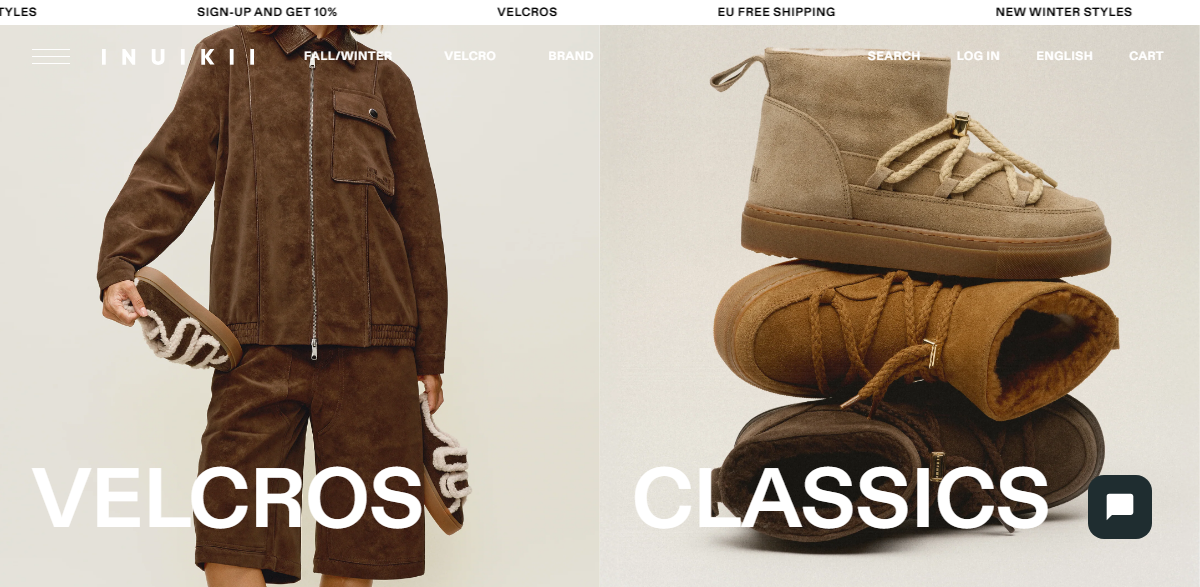
INUIKII, a Swiss winter footwear brand, offers shearling, Chelsea boot, and sneaker styles across women’s, men’s, and kids’ ranges, including a dedicated vegan line alongside its shearling styles.

Inclusive and purpose-led brands
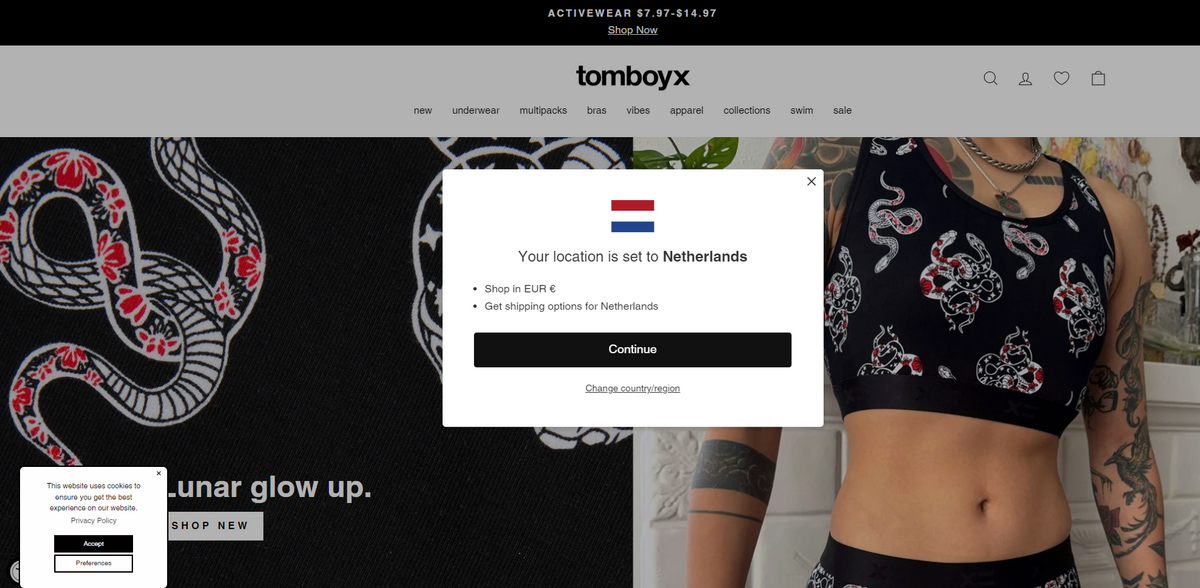
TomboyX, with a B Corp score of 95.7, one of the highest in this group, builds genderfree and inclusive apparel collections aimed specifically at the LGBTQI community, spanning underwear, swimwear, and layering pieces.
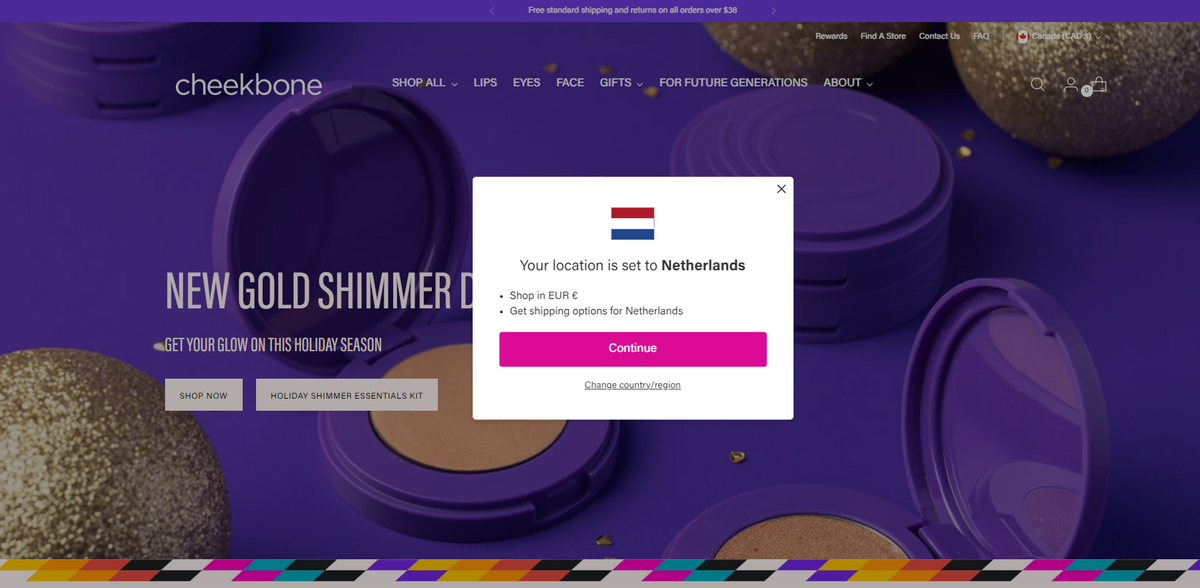
Cheekbone Beauty, an Indigenous-founded conscious beauty brand with a B Corp score of 86.6, brings the same accountability standard used across ethical fashion into personal care and cosmetics.
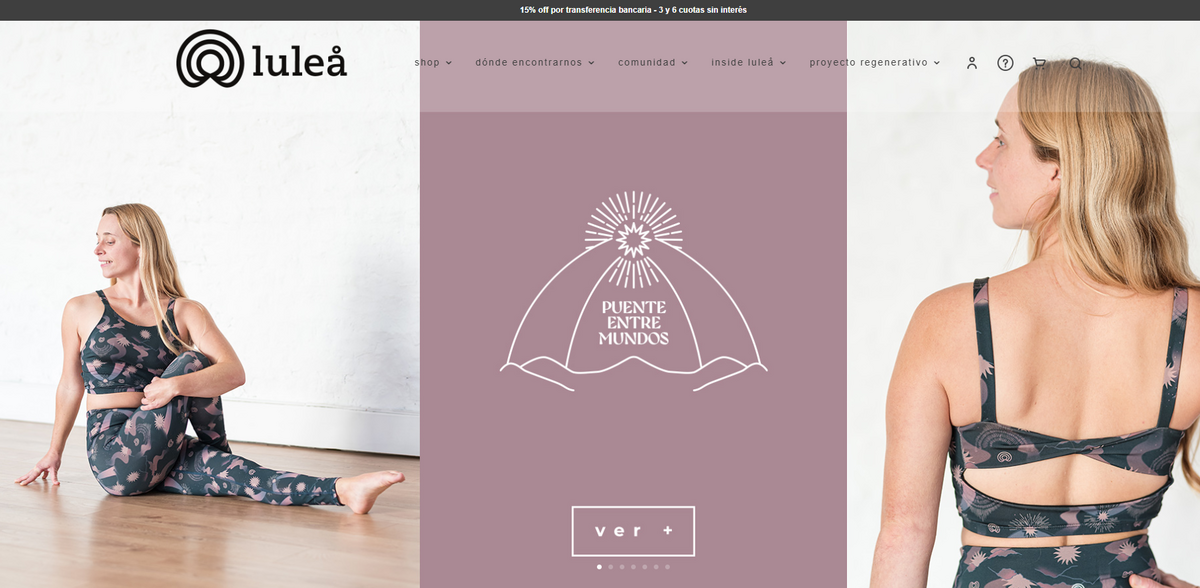
Luleå Mindful Athletes, an Argentine apparel brand with a B Corp score of 109.2, one of the strongest in this roundup, focuses on the yoga and athletic clothing sector, built around deliberately lower-impact production decisions.
Manufacturing and materials
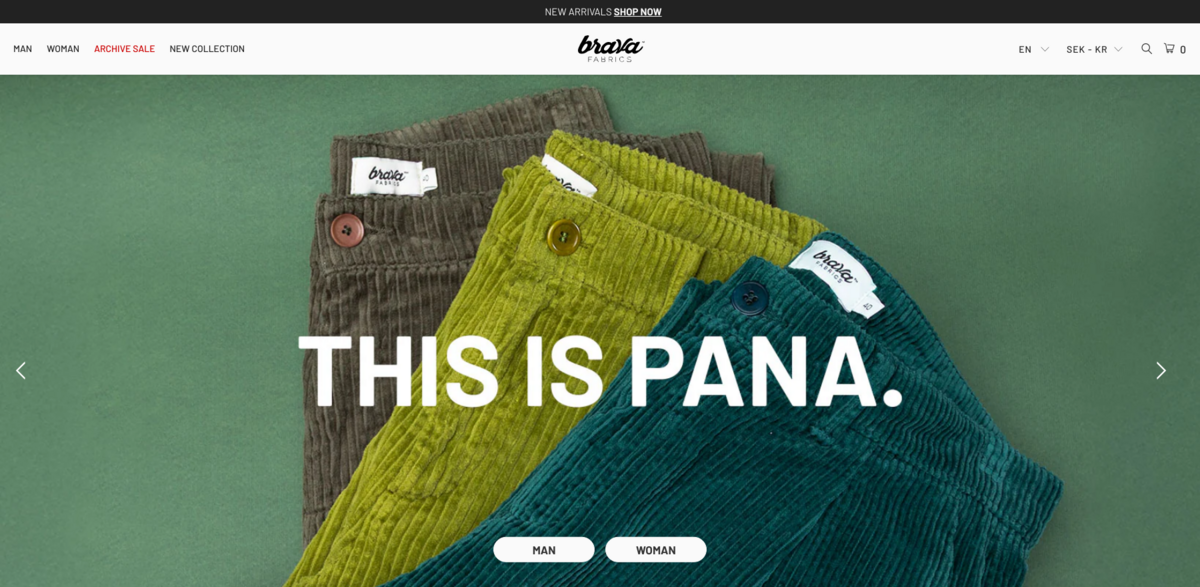
Brava Fabrics, a Spanish apparel brand with a B Corp score of 81.4, builds its collections around organic cotton basics and designer pieces, aiming to make organic materials feel like a design choice rather than a compromise.
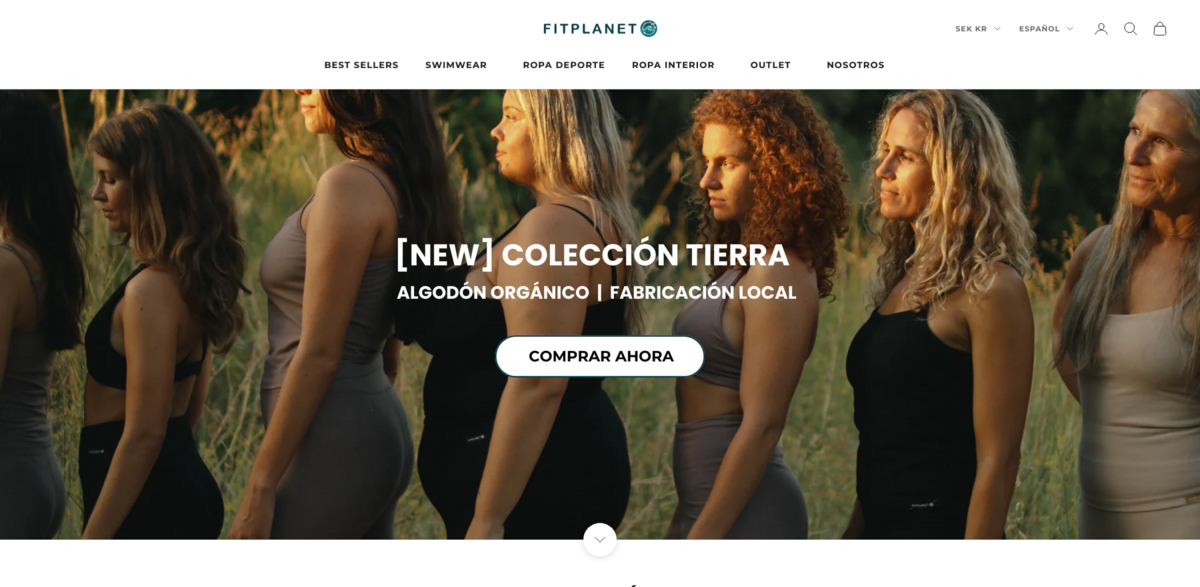
FITPLANET, a Spanish activewear brand, sources recycled materials collected from the Mediterranean and directs 10% of profits from every purchase to marine conservation programs, tying its supply chain directly to ocean cleanup.
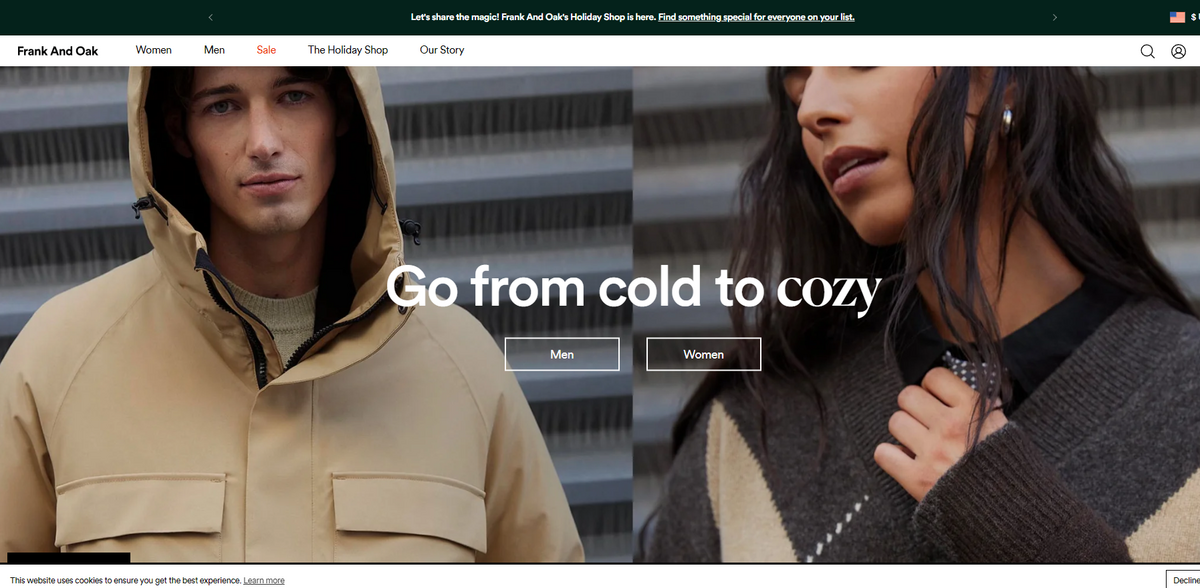
Frank And Oak, a Canadian apparel retailer with a B Corp score of 80.7, applies the certification standard across a broader retail catalogue spanning both women’s and men’s collections.
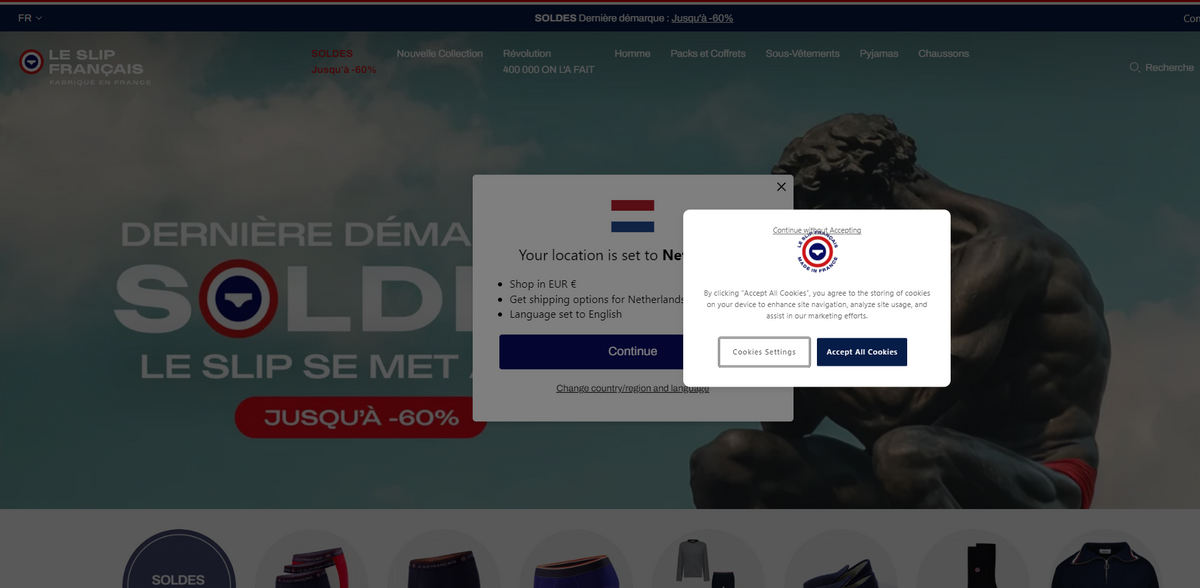
Le Slip Français, a French apparel brand, manufactures underwear, loungewear, and swimwear collections with production kept close to its French base rather than outsourced to distant, harder-to-audit supply chains.
All 15 brands
Frequently asked questions
What makes a fashion brand “ethical” rather than just “sustainable”?
Sustainable fashion typically refers to environmental impact, like materials and emissions. Ethical fashion is broader, covering labor conditions, fair pay, inclusivity, and business practices alongside environmental performance. Most brands in this roundup address both, but the distinction matters when comparing certifications.
Why do so many ethical fashion brands carry a B Corp score?
B Corp certification, awarded by the nonprofit B Lab, scores companies across governance, workers, community, environment, and customers, requiring at least 80 out of 200 points. It’s one of the few certifications that verifies labor and environmental claims together, which is why it shows up frequently across fashion brands trying to prove both at once.
What is circular fashion?
Circular fashion keeps garments in use for as long as possible through resale, repair, or take-back programs, rather than treating clothing as disposable after one owner. Galpón de Ropa’s buy-and-resell model in this roundup is a direct example.
Is vertically integrated manufacturing more sustainable?
It can be, because a single-site operation makes it easier to enforce consistent labor and environmental standards across every production stage, rather than relying on the practices of multiple outsourced suppliers. Al-Rahim Textile Industries’ single-site model in this roundup is a practical example of that structure.
Do permanent collections actually reduce fashion’s environmental footprint?
A permanent collection model, like ASKET’s, reduces the overproduction and inventory waste driven by seasonal drops, since the brand designs for longevity rather than churn. It shifts the sustainability lever from “better materials per item” toward “fewer items produced overall.”
How many ethical fashion brands are listed on Keys for Tomorrow?
Keys for Tomorrow’s Ethical fashion category includes hundreds of listed projects, spanning apparel, footwear, textiles, and accessories. The full, continuously updated list is browsable on the Ethical fashion category page.

Arnaud Michel is the founder and curator of Keys for Tomorrow. In 2014, his master’s thesis on community currencies and sustainable development won the Prix Recherche at Belgium’s Prix de l’Économie Sociale; the research was later published in Ecological Economics (Elsevier, 2015). He curates this directory to the same standard, cross-checking every project against B Corp, 1% for the Planet, and Solar Impulse Foundation records. Connect on LinkedIn.