
Three ways organizations are closing the hunger gap
SDG 2 aims to end hunger and malnutrition while making food production sustainable, by 2030. Looking across 828 real projects tracked on this platform, three distinct approaches keep recurring.
Hunger isn’t just a shortage of calories. It’s a chain of failures, from what’s grown, to how it’s processed, to what actually reaches a plate affordably. Looking at real organizations instead of policy language, three approaches keep showing up.
1 Cut the cost of growing and processing food
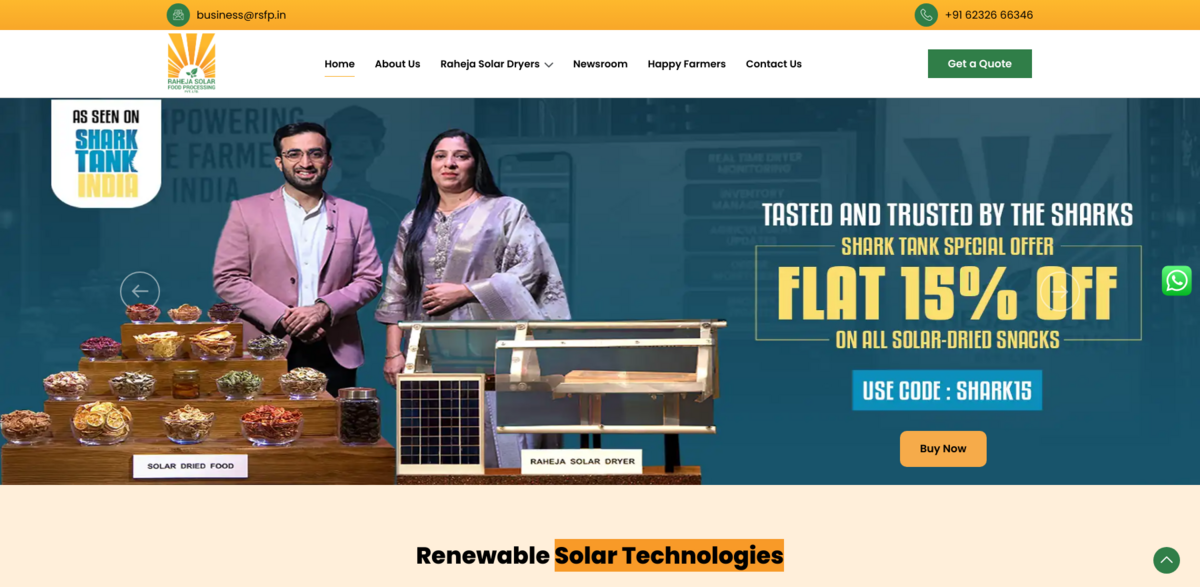
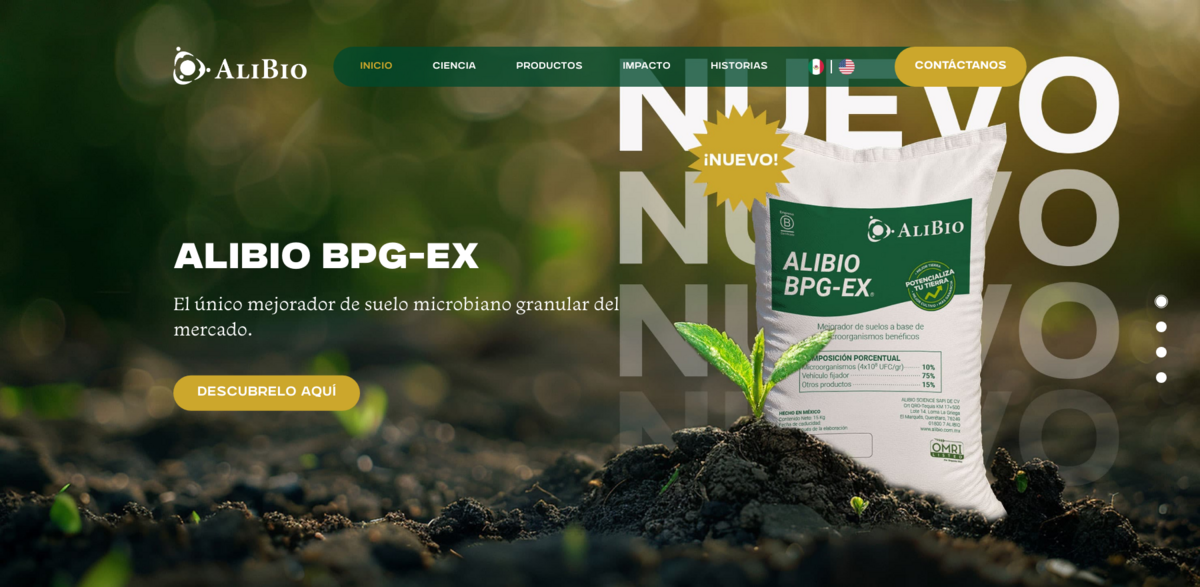
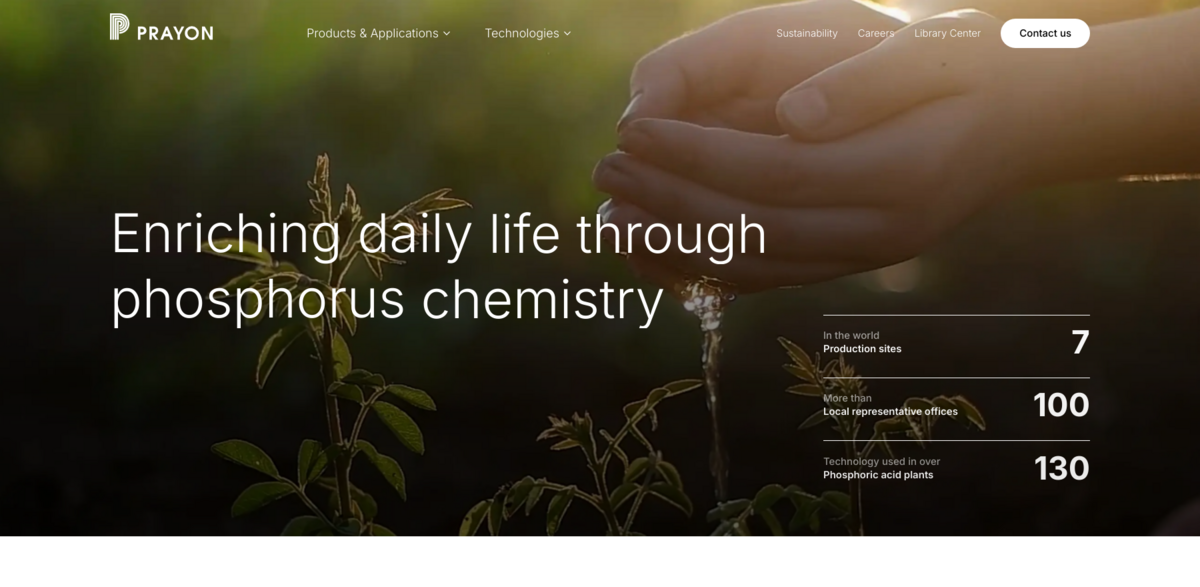
The most direct lever on hunger is making food production itself cheaper and less wasteful — fewer inputs lost to spoilage, soil that stays productive without expensive chemical fertilizer, energy that doesn’t have to be trucked in. This maps to targets 2.3 and 2.4. It means raising small-scale farmers’ productivity while keeping the production system climate-resilient, not just higher-yield for one season.

2 Make nutritious food commercially viable, not charitable
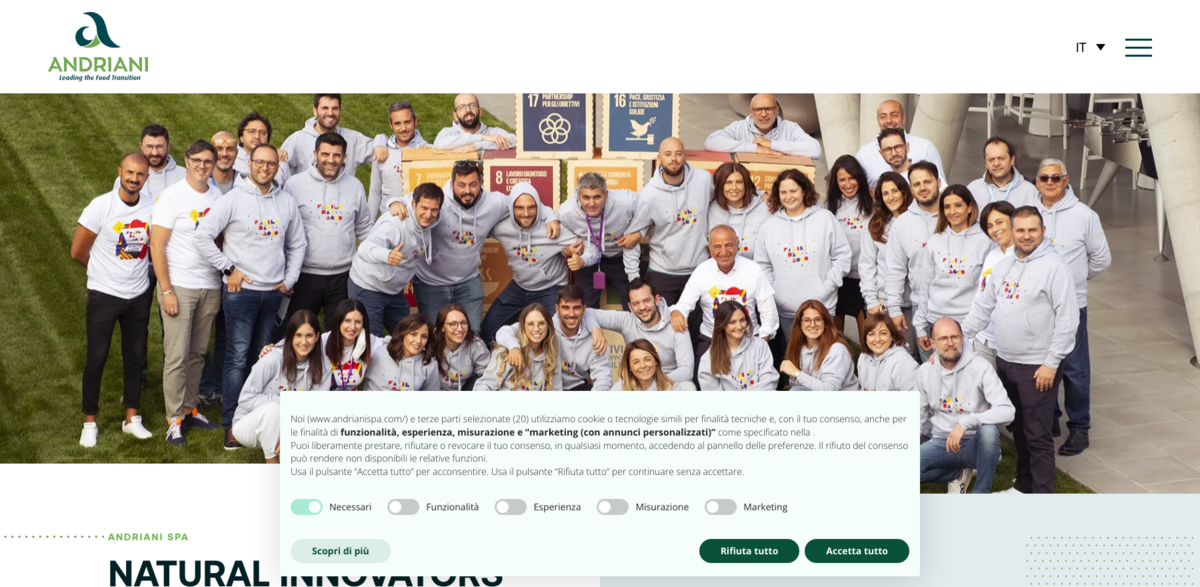
A parallel pattern to production fixes: businesses that build genuinely better nutrition into a product people already choose to buy, rather than asking people to accept worse taste or higher cost for the sake of health. This is where target 2.2 — ending malnutrition — meets ordinary consumer demand instead of competing against it. A healthier product has to win on the shelf first.


3 Fix the supply chain between farm and shelf
Even when food is grown and affordable, it can still fail to reach the people who need it — lost to inefficient distribution, opaque sourcing, or a supply chain with too many disconnected middlemen. Fixing that connective layer is less visible than a new crop technology. But it’s what target 2.1’s “access to safe, nutritious, and sufficient food” actually depends on operationally.
What the UN’s own targets actually require
- 2.1 — End hunger and ensure access to safe, nutritious, and sufficient food for all
- 2.2 — End all forms of malnutrition, especially in children and pregnant women
- 2.3 — Double agricultural productivity and incomes of small-scale farmers
- 2.4 — Ensure sustainable food production systems and climate-resilient agriculture
- 2.5 — Maintain the genetic diversity of crops and livestock
Frequently asked questions about SDG 2
What is SDG 2?
SDG 2: Zero Hunger is the second of the United Nations’ Sustainable Development Goals under Agenda 2030. It aims to end hunger, achieve food security, improve nutrition, and promote sustainable agriculture worldwide by 2030.
Why is SDG 2 important?
Hunger affects over 735 million people and leads to malnutrition, poor health, and economic instability. Food insecurity impacts children’s development, reduces productivity, and increases healthcare costs. Achieving food security is essential for a healthier, more stable world.
What are the key targets of SDG 2?
End hunger and ensure access to safe, nutritious food for all; end all forms of malnutrition; and double agricultural productivity and incomes of small-scale farmers. Also: ensure sustainable, climate-resilient food production, and maintain the genetic diversity of crops and livestock.
How does SDG 2 relate to Agenda 2030?
SDG 2 is deeply interconnected with poverty (SDG 1), climate change (SDG 13), and health (SDG 3). Sustainable food systems support economic growth, improve public health, and reduce environmental impact across the whole framework.
What are the biggest challenges to achieving SDG 2?
Climate change affecting food production, food waste and inefficient distribution, and conflict and economic instability. Also: underinvestment in small-scale farming, and depleting natural resources and biodiversity loss.
How can governments help achieve SDG 2?
Governments can support sustainable agriculture and fair trade, and invest in food security programs and nutrition education. They can also reduce food waste through better distribution systems, and provide financial support to small-scale farmers.
What role do businesses play in SDG 2?
Businesses contribute by developing sustainable food production and supply chains, investing in alternative proteins and plant-based nutrition, reducing food waste in operations, and supporting ethical sourcing. The three approaches above are what that looks like in practice.
How can individuals contribute to SDG 2?
Reduce food waste by planning meals and composting, and support sustainable brands and local farmers. Donate to food banks and hunger relief programs, and advocate for better food policies in their communities.
How is progress on SDG 2 measured?
The UN tracks prevalence of hunger and malnutrition rates, food price fluctuations and affordability, and the sustainability of agricultural practices.
Will the world achieve SDG 2 by 2030?
Hunger is currently rising due to conflicts, climate change, and economic crises. The UN says urgent action is needed to increase sustainable food production and improve distribution. Addressing inequalities is also needed to get back on track.
Related goals
Every organization above is one of 828 real, catalogued SDG 2 projects on this platform.
Explore the full list →Sourced from Keys for Tomorrow’s project catalog and the UN Sustainable Development Goals framework (sdgs.un.org).