
SDG 1: No Poverty
Sustainable Development Goal 1 (SDG 1), part of the United Nations’ Agenda 2030, aims to end poverty in all its forms everywhere by 2030. Today, over 700 million people still live in extreme poverty, surviving on less than $2.15 per day.
Why is SDG 1 important? Poverty is more than just a lack of income—it means limited access to food, clean water, healthcare, education, and decent work. It affects economic growth, social stability, and environmental sustainability. Achieving SDG 1 requires:
✅ Strong social protection systems
✅ Sustainable economic growth and job creation
✅ Equal access to resources and opportunities
✅ Resilience to climate change and global crises
Governments, businesses, and individuals all play a role. Investing in education, fair wages, healthcare, and social programs can help break the cycle of poverty. Global cooperation and sustainable solutions are key to ensuring no one is left behind in the fight against poverty.
Find SDG 1 Projects in your country! Where are you located?
Explore SDG 1 projects :
-
-
-
-
-
-
-
-
-
-
-
-
-
-
-
Antenna Foundation: Empowering Disadvantaged Communities Through Sustainable Technologies

-
-
-
-
-
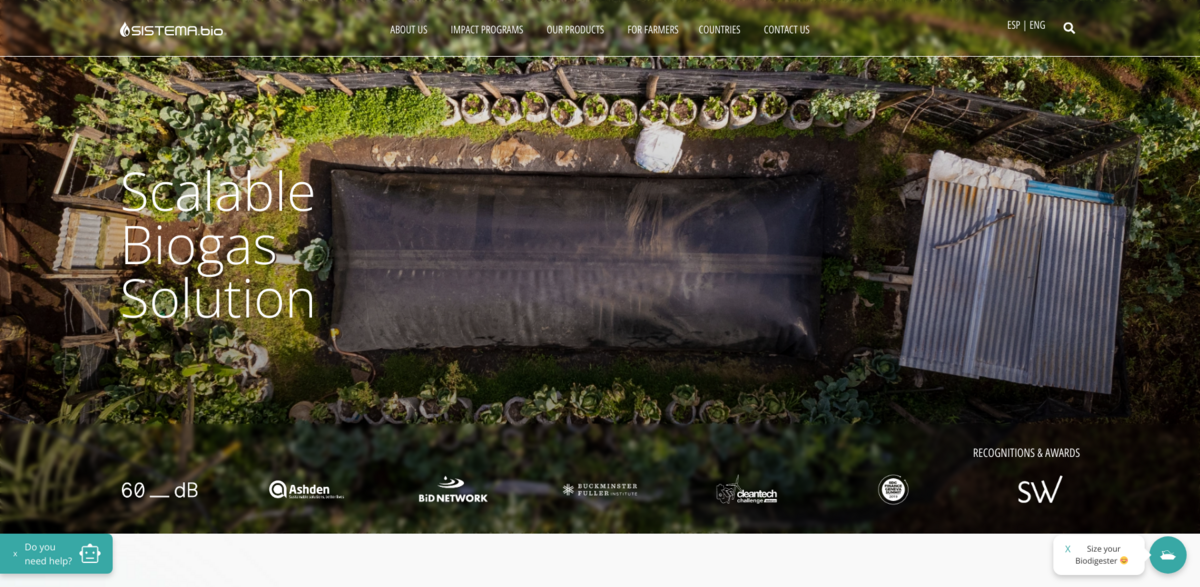
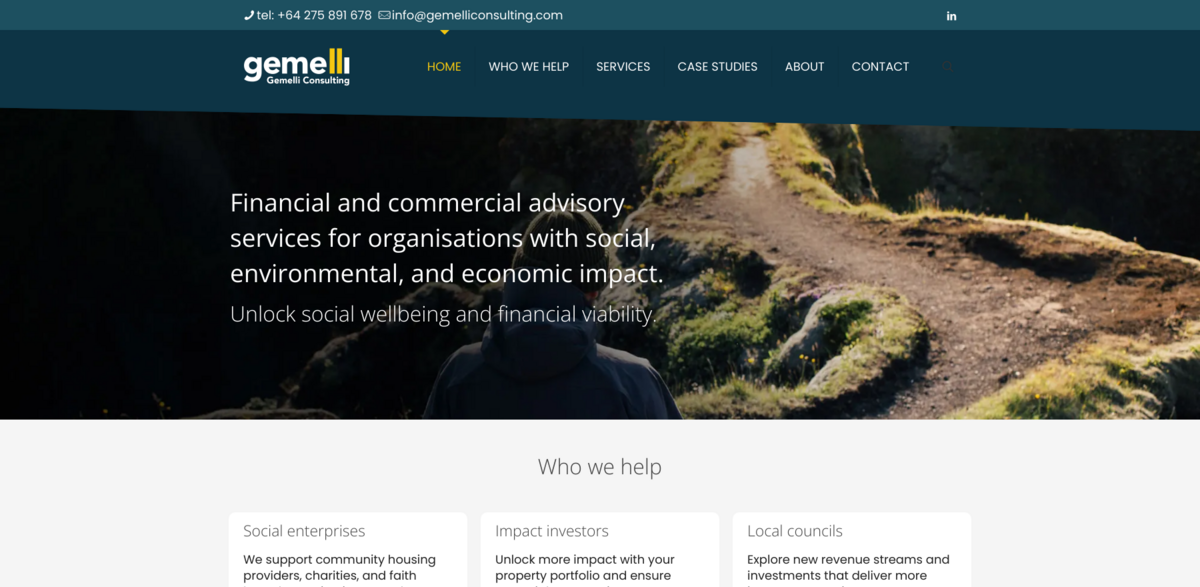
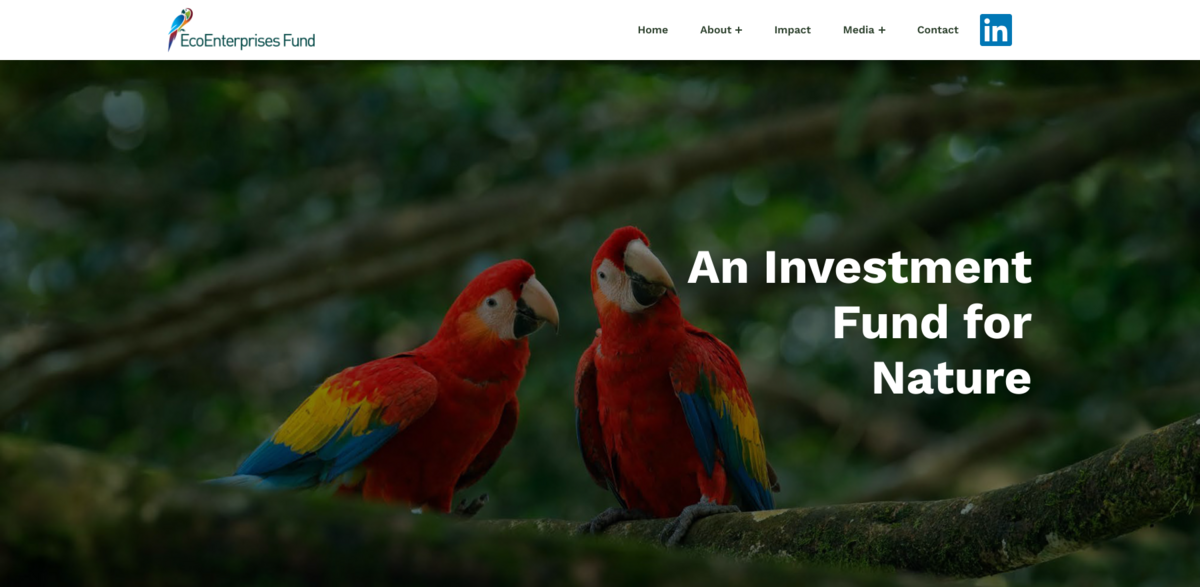
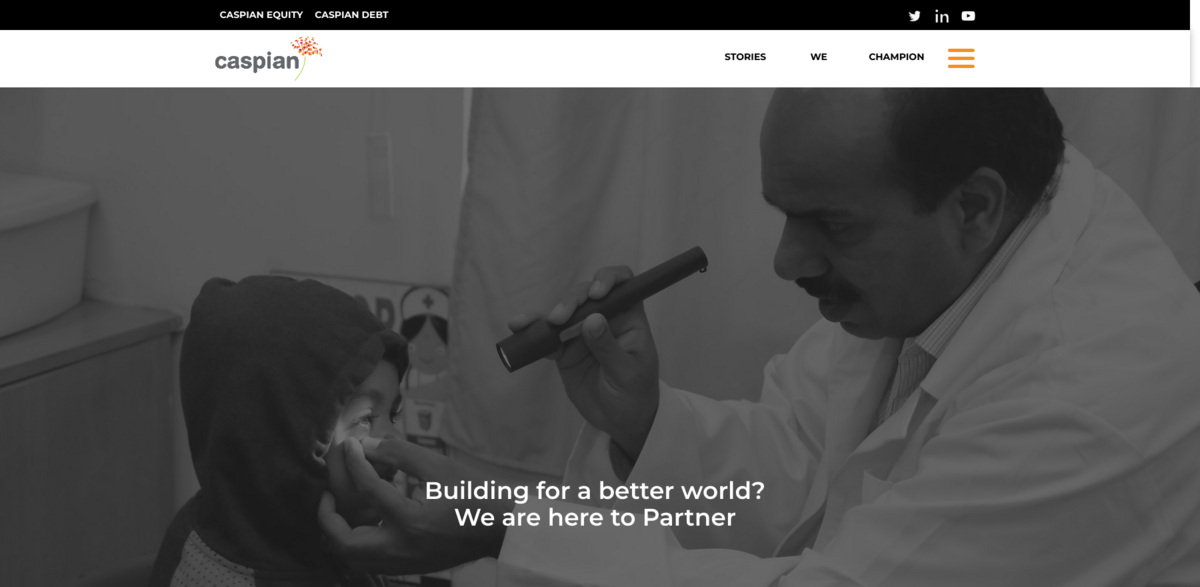
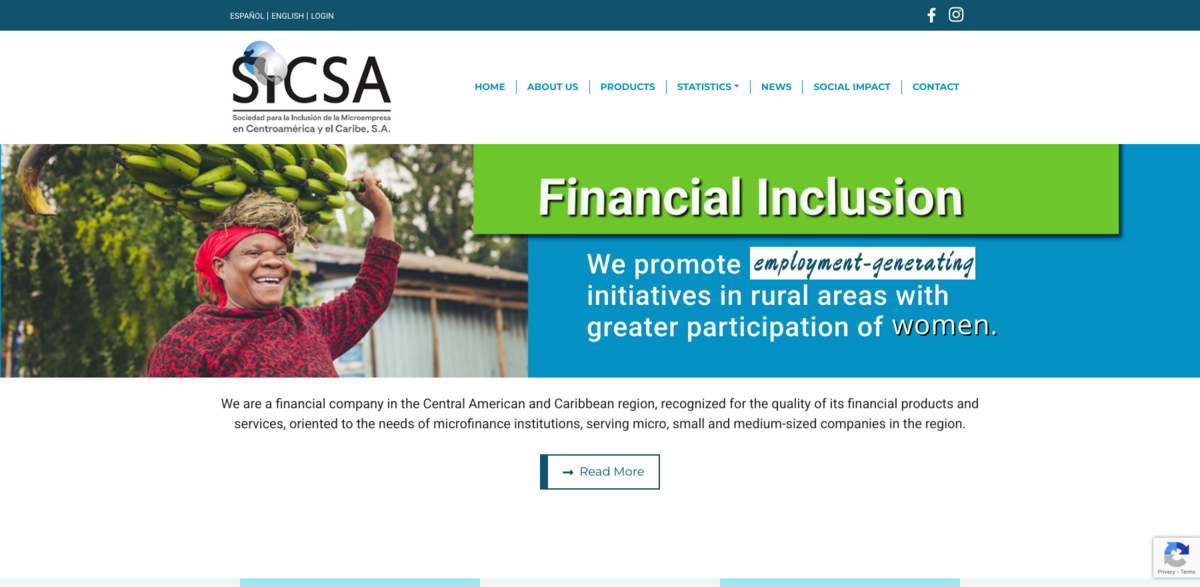




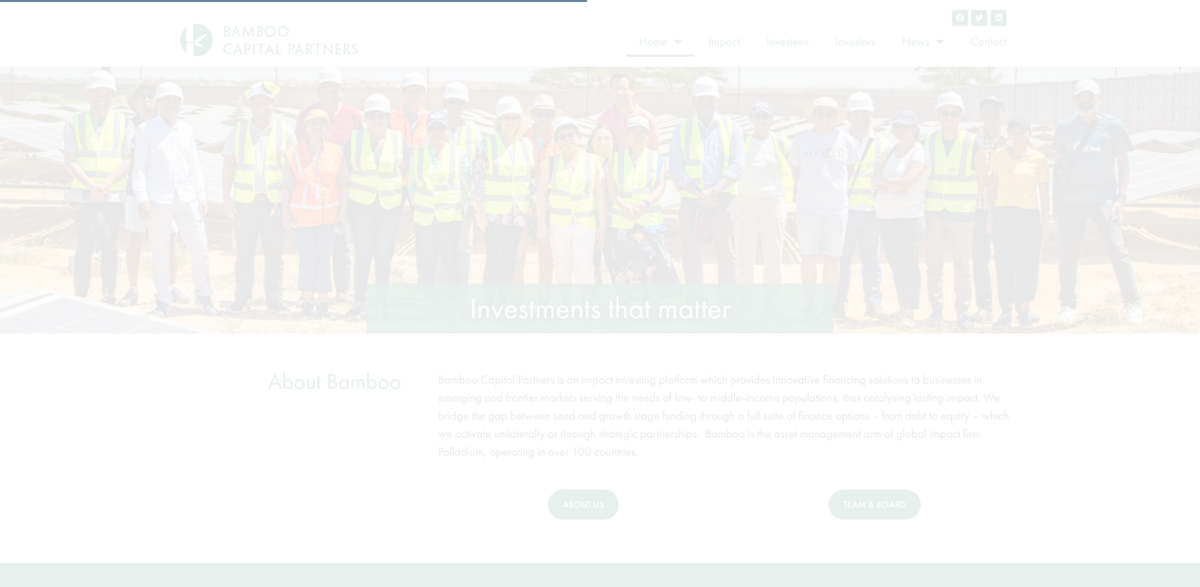
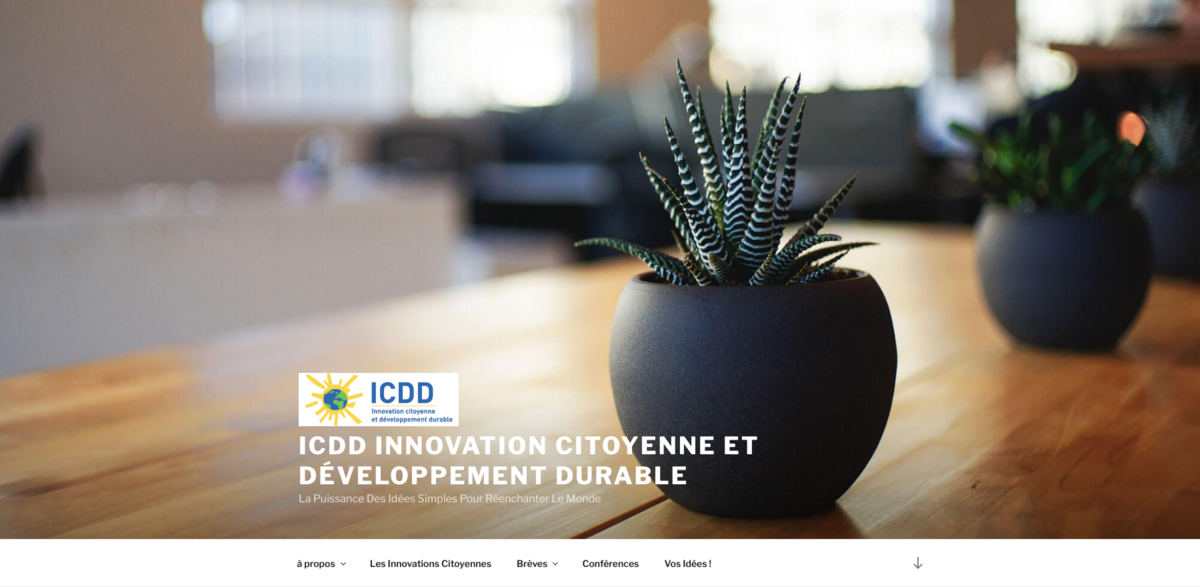
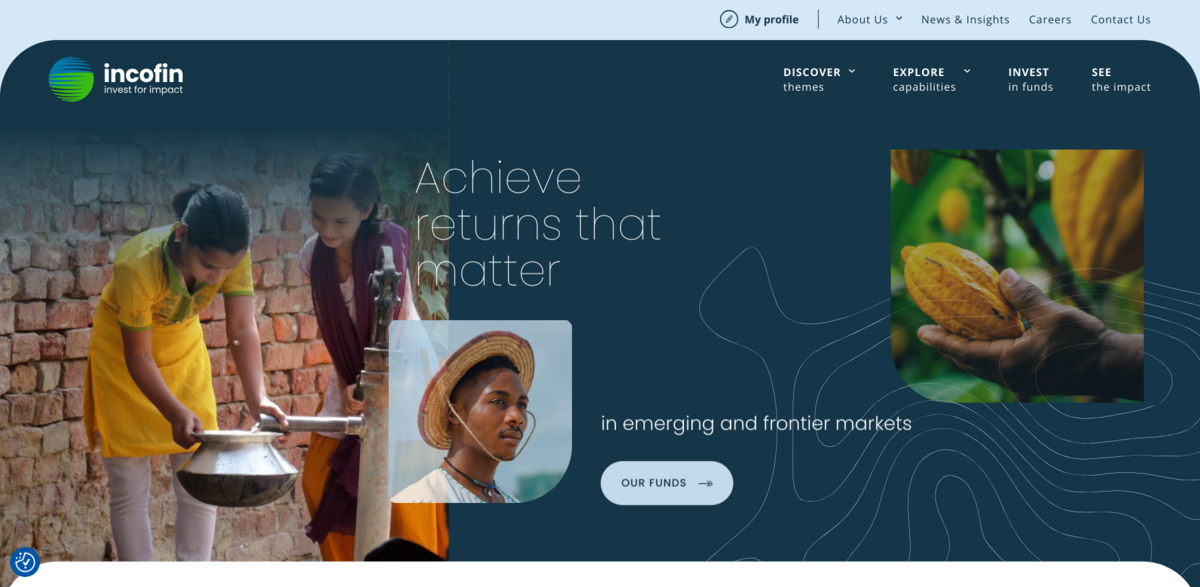
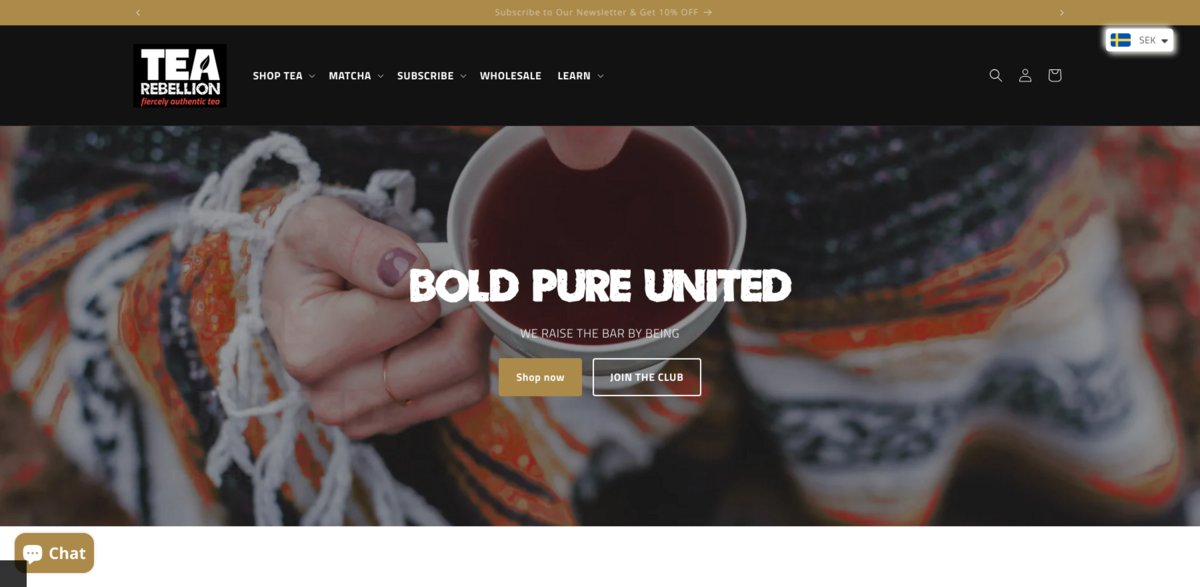
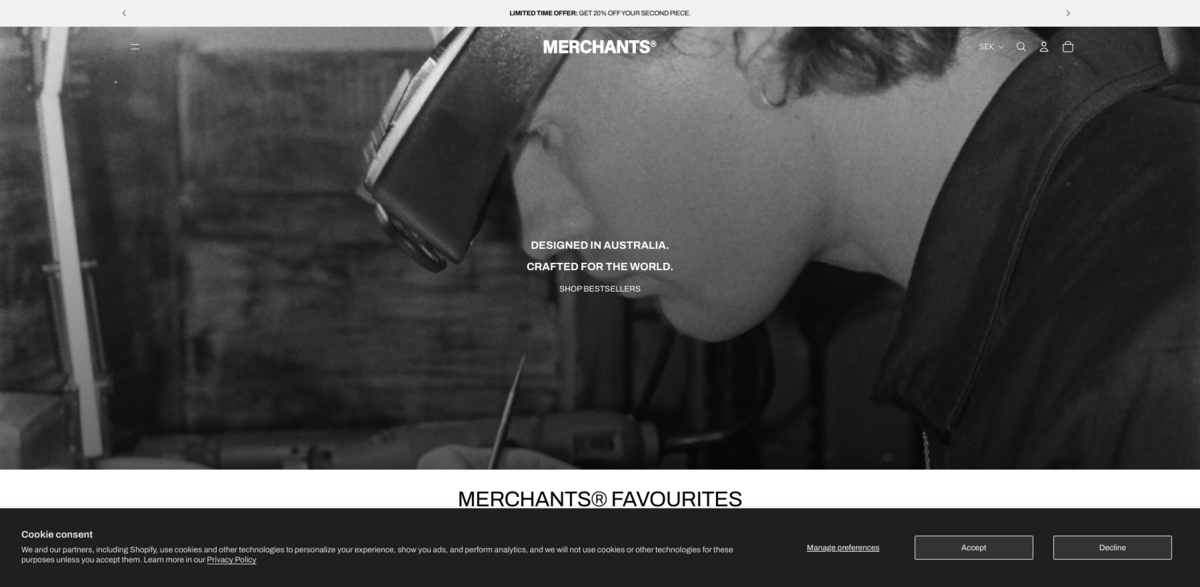
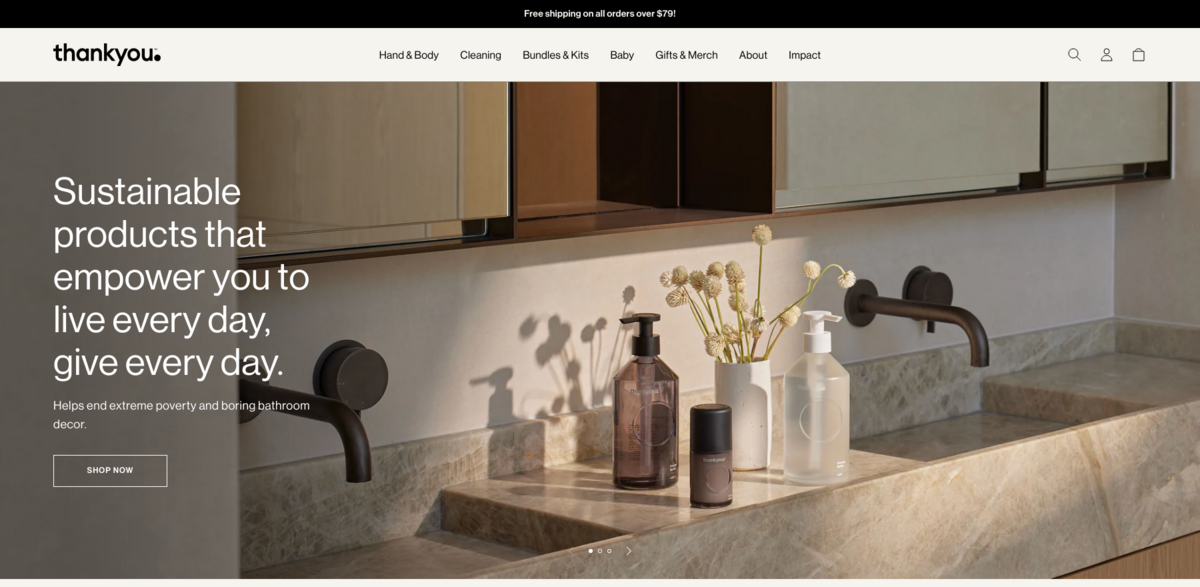
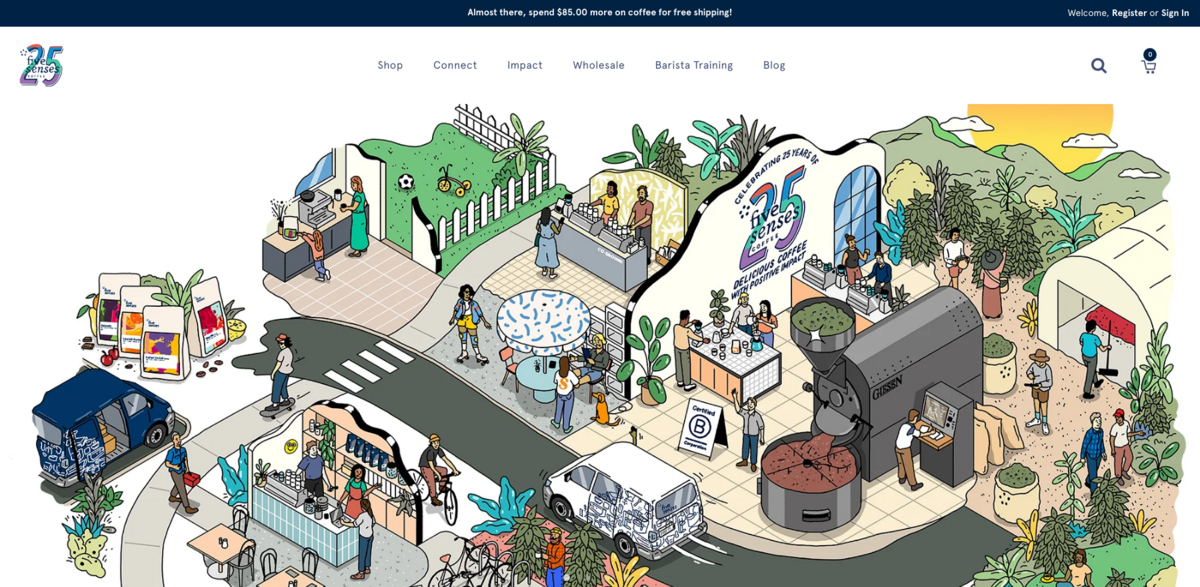
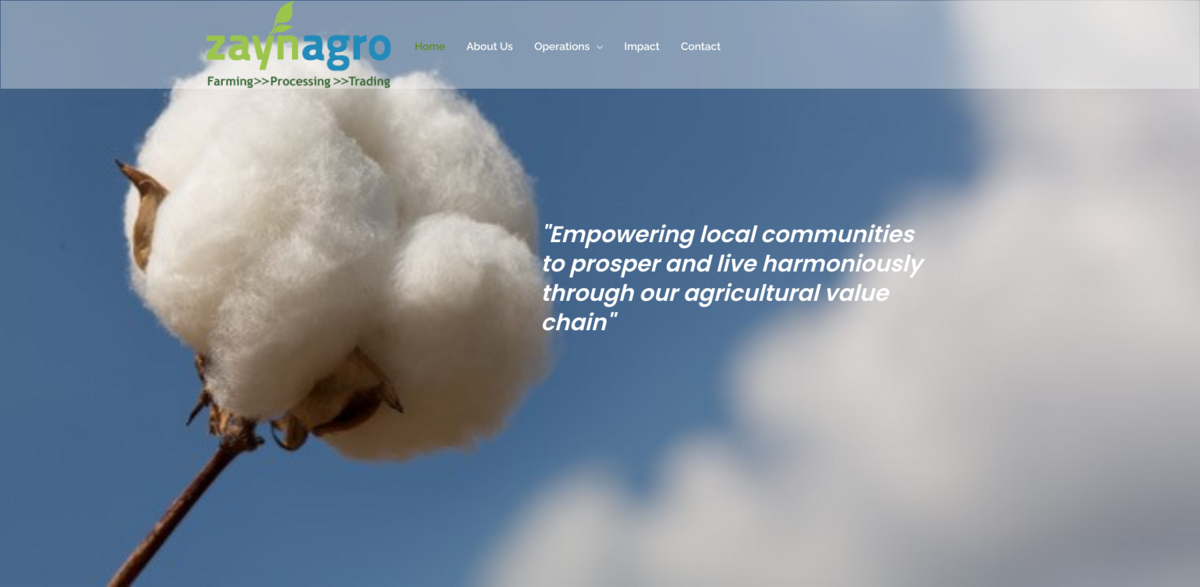
Innovative Solutions for SDG 1: Companies & Initiatives Fighting Poverty
Achieving Sustainable Development Goal 1 (SDG 1): No Poverty requires more than just policies—it demands innovative solutions, strong partnerships, and sustainable business models that empower communities and create long-term economic opportunities. Across the globe, organizations, social enterprises, and companies are leading the charge by developing inclusive financial systems, ethical employment opportunities, and scalable poverty reduction programs.
From microfinance initiatives helping small entrepreneurs to tech-driven solutions improving access to essential services, these projects align with Agenda 2030 and demonstrate that economic growth and social impact can go hand in hand. Below, we highlight some of the most impactful companies and initiatives working towards SDG 1 and transforming lives.
👉 Explore the list below and discover how businesses are making a difference! 🚀
Frequently Asked Questions about SDG 1 :
1. What is SDG 1?
SDG 1 is the first of the United Nations’ Sustainable Development Goals (SDGs), which aims to end poverty in all its forms everywhere by 2030. It is part of the broader Agenda 2030 for sustainable development.
2. Why is SDG 1 important?
Poverty is a fundamental challenge affecting billions worldwide, limiting access to food, education, healthcare, and economic opportunities. Ending poverty will improve living conditions, reduce inequalities, and contribute to global stability.
3. What are the key targets of SDG 1?
SDG 1 has several key targets, including:
- 1.1: Eradicate extreme poverty (people living on less than $2.15 per day).
- 1.2: Reduce poverty in all its dimensions by at least 50%.
- 1.3: Implement social protection systems for all.
- 1.4: Ensure access to economic resources, basic services, and property rights.
- 1.5: Build resilience to climate-related and economic shocks.
4. How does SDG 1 relate to Agenda 2030?
SDG 1 is a core component of Agenda 2030, which envisions a world where no one is left behind. It is interconnected with other SDGs, including zero hunger (SDG 2), quality education (SDG 4), and decent work (SDG 8).
5. What are the biggest challenges to achieving SDG 1?
The main obstacles include:
- Economic instability and inequalities
- Climate change and natural disasters
- Conflicts and political instability
- Lack of access to education and healthcare
- Weak social protection systems
6. How can governments help achieve SDG 1?
Governments can implement social safety nets, invest in education and job creation, ensure fair wages, support rural development, and strengthen climate resilience to protect vulnerable populations.
7. What role do businesses play in achieving SDG 1?
Businesses can contribute by:
- Providing fair wages and decent work.
- Investing in sustainable economic development.
- Supporting social entrepreneurship.
- Ensuring ethical supply chains.
8. How can individuals contribute to SDG 1?
Individuals can:
- Support fair trade and ethical businesses.
- Donate to and volunteer for poverty-alleviation programs.
- Advocate for policies that reduce inequality.
- Reduce waste and overconsumption, helping to balance global resources.
9. How is progress on SDG 1 measured?
The UN tracks progress through indicators such as poverty rates, access to social protection, and resilience to economic shocks. Reports like the SDG Progress Report provide updates on global and regional achievements.
10. Will the world achieve SDG 1 by 2030?
While progress has been made, challenges such as economic crises, pandemics, and conflicts have slowed efforts. Urgent action is needed at all levels to accelerate poverty reduction and meet the Agenda 2030 targets.
2. Why is SDG 1 important?
Poverty is a fundamental challenge affecting billions worldwide, limiting access to food, education, healthcare, and economic opportunities. Ending poverty will improve living conditions, reduce inequalities, and contribute to global stability.
3. What are the key targets of SDG 1?
SDG 1 has several key targets, including:
- 1.1: Eradicate extreme poverty (people living on less than $2.15 per day).
- 1.2: Reduce poverty in all its dimensions by at least 50%.
- 1.3: Implement social protection systems for all.
- 1.4: Ensure access to economic resources, basic services, and property rights.
- 1.5: Build resilience to climate-related and economic shocks.
4. How does SDG 1 relate to Agenda 2030?
SDG 1 is a core component of Agenda 2030, which envisions a world where no one is left behind. It is interconnected with other SDGs, including zero hunger (SDG 2), quality education (SDG 4), and decent work (SDG 8).
5. What are the biggest challenges to achieving SDG 1?
The main obstacles include:
- Economic instability and inequalities
- Climate change and natural disasters
- Conflicts and political instability
- Lack of access to education and healthcare
- Weak social protection systems
6. How can governments help achieve SDG 1?
Governments can implement social safety nets, invest in education and job creation, ensure fair wages, support rural development, and strengthen climate resilience to protect vulnerable populations.
7. What role do businesses play in achieving SDG 1?
Businesses can contribute by:
- Providing fair wages and decent work.
- Investing in sustainable economic development.
- Supporting social entrepreneurship.
- Ensuring ethical supply chains.
8. How can individuals contribute to SDG 1?
Individuals can:
- Support fair trade and ethical businesses.
- Donate to and volunteer for poverty-alleviation programs.
- Advocate for policies that reduce inequality.
- Reduce waste and overconsumption, helping to balance global resources.
9. How is progress on SDG 1 measured?
The UN tracks progress through indicators such as poverty rates, access to social protection, and resilience to economic shocks. Reports like the SDG Progress Report provide updates on global and regional achievements.
10. Will the world achieve SDG 1 by 2030?
While progress has been made, challenges such as economic crises, pandemics, and conflicts have slowed efforts. Urgent action is needed at all levels to accelerate poverty reduction and meet the Agenda 2030 targets.
Discover other Sustainable Development Goals (SDG) Initiatives :
- SDG 1: No Poverty – End poverty in all its forms everywhere.
- SDG 2: Zero Hunger – End hunger, achieve food security, improve nutrition, and promote sustainable agriculture.
- SDG 3: Good Health and Well-being – Ensure healthy lives and promote well-being for all at all ages.
- SDG 4: Quality Education – Ensure inclusive and equitable quality education and promote lifelong learning opportunities for all.
- SDG 5: Gender Equality – Achieve gender equality and empower all women and girls.
- SDG 6: Clean Water and Sanitation – Ensure availability and sustainable management of water and sanitation for all.
- SDG 7: Affordable and Clean Energy – Ensure access to affordable, reliable, sustainable, and modern energy for all.
- SDG 8: Decent Work and Economic Growth – Promote sustained, inclusive, and sustainable economic growth, full and productive employment, and decent work for all.
- SDG 9: Industry, Innovation, and Infrastructure – Build resilient infrastructure, promote inclusive and sustainable industrialization, and foster innovation.
- SDG 10: Reduced Inequalities – Reduce inequality within and among countries.
- SDG 11: Sustainable Cities and Communities – Make cities and human settlements inclusive, safe, resilient, and sustainable.
- SDG 12: Responsible Consumption and Production – Ensure sustainable consumption and production patterns.
- SDG 13: Climate Action – Take urgent action to combat climate change and its impacts.
- SDG 14: Life Below Water – Conserve and sustainably use the oceans, seas, and marine resources.
- SDG 15: Life on Land – Protect, restore, and promote sustainable use of terrestrial ecosystems, forests, and biodiversity.
- SDG 16: Peace, Justice, and Strong Institutions – Promote peaceful and inclusive societies, provide access to justice, and build effective institutions.
- SDG 17: Partnerships for the Goals – Strengthen the means of implementation and revitalize the global partnership for sustainable development.