
SDG 17: Partnerships for the Goals
Sustainable Development Goal 17 (SDG 17), a crucial part of the United Nations’ Agenda 2030, focuses on strengthening the global partnership for sustainable development. It calls for collaborative action from governments, businesses, civil society, and individuals to address the complex challenges of global sustainability. SDG 17 emphasizes the importance of building partnerships to achieve all the Sustainable Development Goals (SDGs), ensuring that no one is left behind.
Achieving the Agenda 2030 targets cannot be done by individual countries or sectors alone. It requires global cooperation and the pooling of resources and expertise. SDG 17 is vital because:
✅ It fosters collaboration between governments, the private sector, and civil society.
✅ It ensures resource mobilization through financing and technology transfer.
✅ It builds capacity, empowering communities to address their own challenges.
✅ It strengthens global partnerships to work towards common goals.
How Can We Achieve SDG 17?
Achieving SDG 17 involves:
🌍 Strengthening partnerships between various sectors and stakeholders.
🌍 Enhancing financial resources through international support and investment.
🌍 Promoting technology transfer to developing countries for sustainable solutions.
🌍 Fostering knowledge sharing, innovation, and capacity building.
🌍 Building trust and transparency in international collaborations.

Innovative Solutions for SDG 17: Companies & Initiatives Supporting Global Partnerships
SDG 17 requires active global partnerships, effective resource mobilization, and cooperative action to achieve sustainable development. Many organizations, international institutions, and NGOs are working together to share knowledge, mobilize funding, and implement joint solutions to advance the SDGs.
From cross-border financial collaborations, sustainable development funding initiatives, and knowledge-sharing platforms, these partnerships are driving global progress towards a shared future.
👉 Explore these impactful partnerships and see how you can contribute to the success of SDG 17. Together, we can make a difference! 🌍🤝
10 projects in Australia contributing to SDG 17
-
Stuff That Matters: Everyday Essentials for Modern Men
Stuff That Matters is a movement providing men with everyday essentials that are ethical, vegan, and cruelty-free. The brand supports mental health awareness and redefines masculinity in a modern context. With products available at major retailers, it offers free shipping and bundle savings, making it easy for men to look good and feel good while…

-
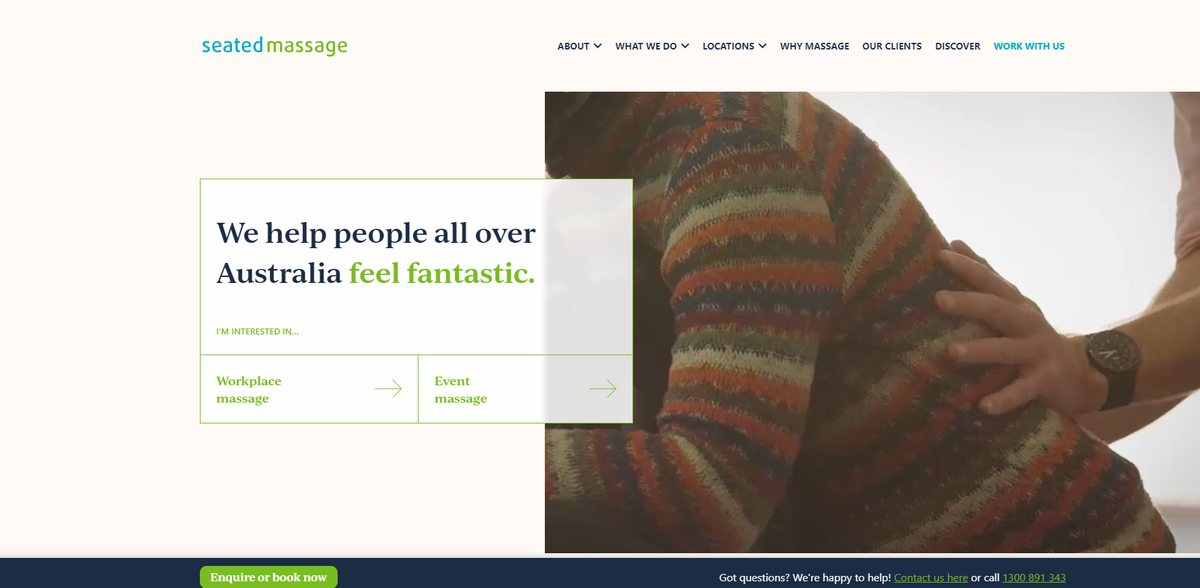
Seated Massage: Enhancing Wellbeing at Work and Events
Seated Massage offers onsite massage services designed to enhance wellbeing in workplaces and events. With a focus on relaxation and employee satisfaction, this service has been transforming environments since 1993. Tailored options for small teams or large gatherings ensure that everyone experiences the benefits of professional massage therapy. Each session is delivered by trained practitioners,…
-
Whole Kids: Organic and Allergen-Friendly Foods for Children
Whole Kids is an Australian-owned food company dedicated to providing organic, additive-free, and allergen-friendly foods for babies, toddlers, and kids. Founded in 2005, the brand emphasizes quality, transparency, and a commitment to healthy eating. With a wide range of products, Whole Kids aims to make nutritious eating enjoyable for children while promoting sustainability and responsible…

-
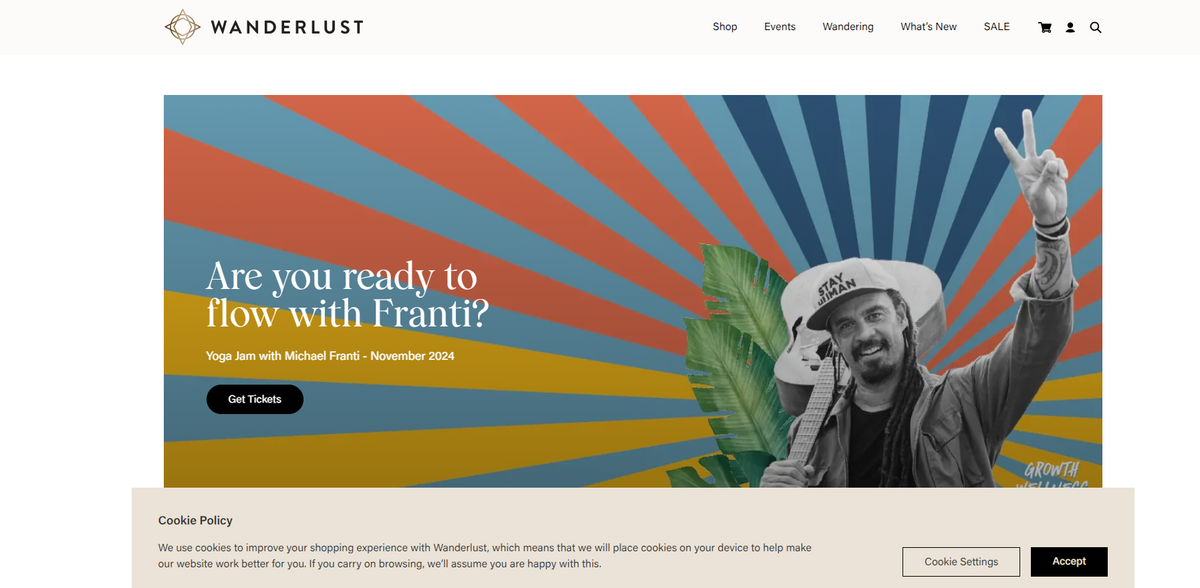
Wanderlust: Plant-Powered Supplements and Wellness Events for a Vibrant Community
Wanderlust is a Brunswick Heads brand dedicated to enhancing wellness through plant-powered supplements and community events. With a focus on intentional self-care, they provide high-quality products and experiences that nurture both body and mind. Their commitment to sustainability and traditional wisdom makes them a leader in holistic health.
-
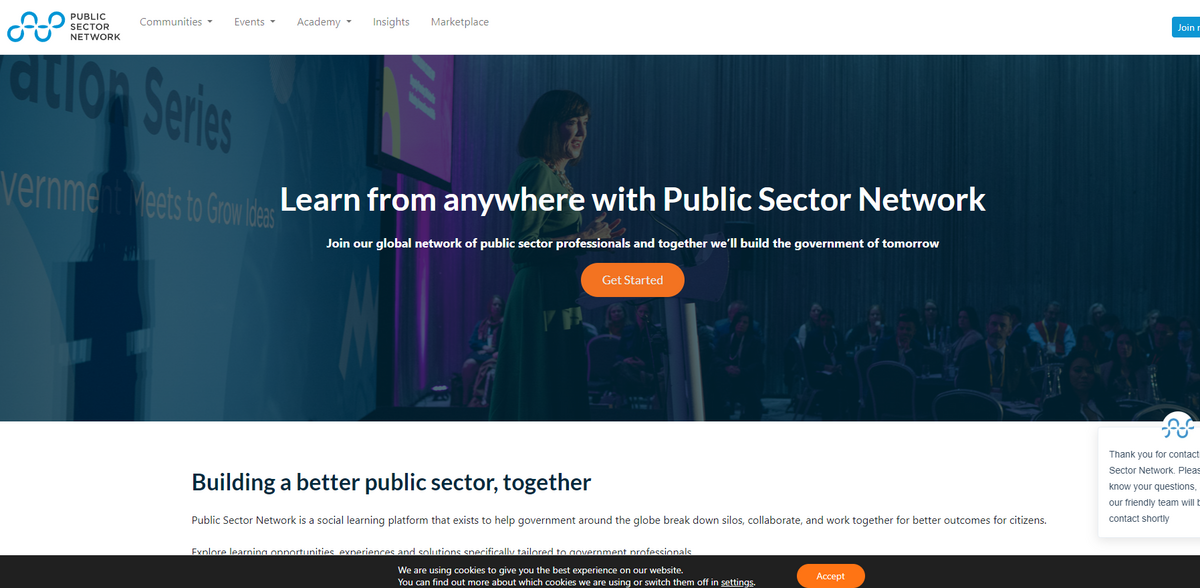
Public Sector Network: A Platform for Government Professionals to Collaborate and Innovate
Public Sector Network is a dynamic platform designed for public sector professionals and government leaders. It fosters collaboration, learning, and innovation through vibrant communities, transformative events, and valuable resources. By connecting professionals across various sectors, it aims to enhance public service delivery and drive impactful change in government practices.
-
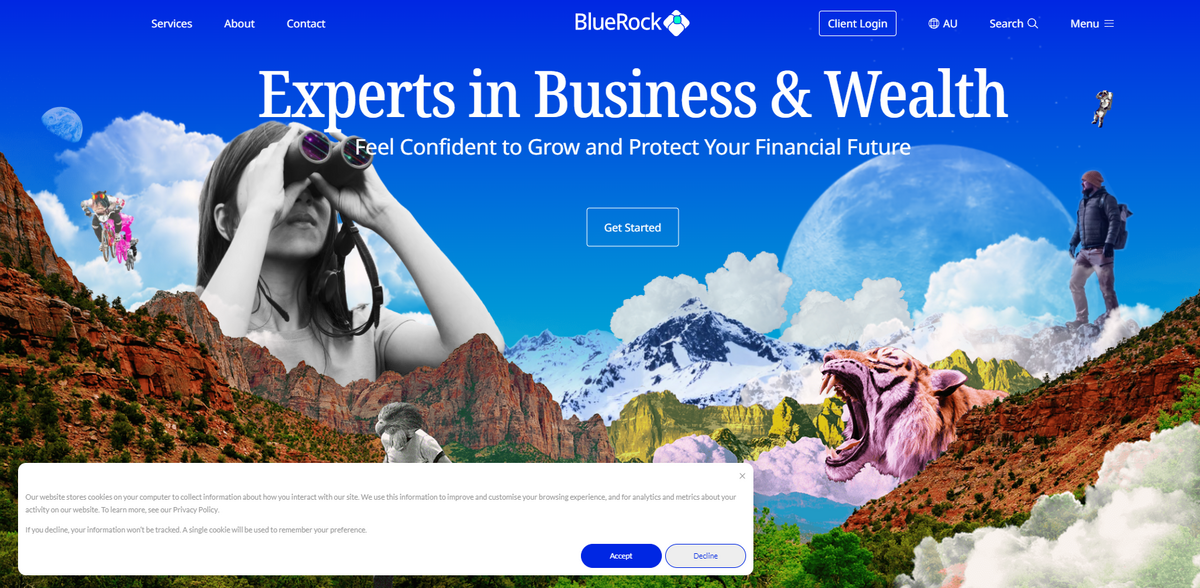
BlueRock: A Comprehensive Wealth and Advisory Firm for Australian Business Owners
BlueRock is a full-service wealth and advisory firm that empowers Australian business owners to thrive. With a focus on integrated advice, innovation, and community responsibility, BlueRock blends expertise with a genuine passion for making a difference. Their commitment to culture and technology ensures strong outcomes for clients, while their dedication to social responsibility reinforces their…
-
Lumify Group: Empowering Digital Skills and Professional Development
Lumify Group is Australasia’s largest ICT training provider, dedicated to empowering individuals and organizations through a wide range of online courses and certifications. With a focus on digital skilling and professional development, Lumify offers tailored training solutions for various sectors, ensuring everyone has access to the skills needed for a technology-driven future.

-
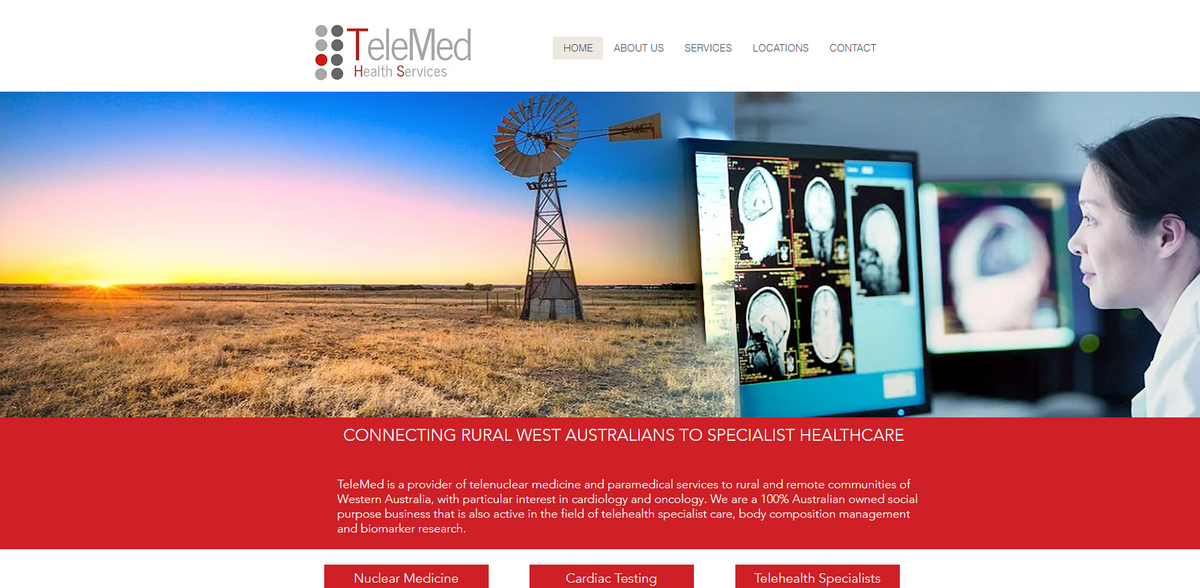
TeleMed: Enhancing Healthcare Access in Rural Western Australia
TeleMed is dedicated to improving healthcare access in rural Western Australia through telehealth and nuclear medicine services. With over 25 years of experience, they provide essential medical support to underserved communities, focusing on cardiology and oncology. Their innovative use of technology ensures that patients receive timely and reliable care, bridging the gap in healthcare accessibility.
-
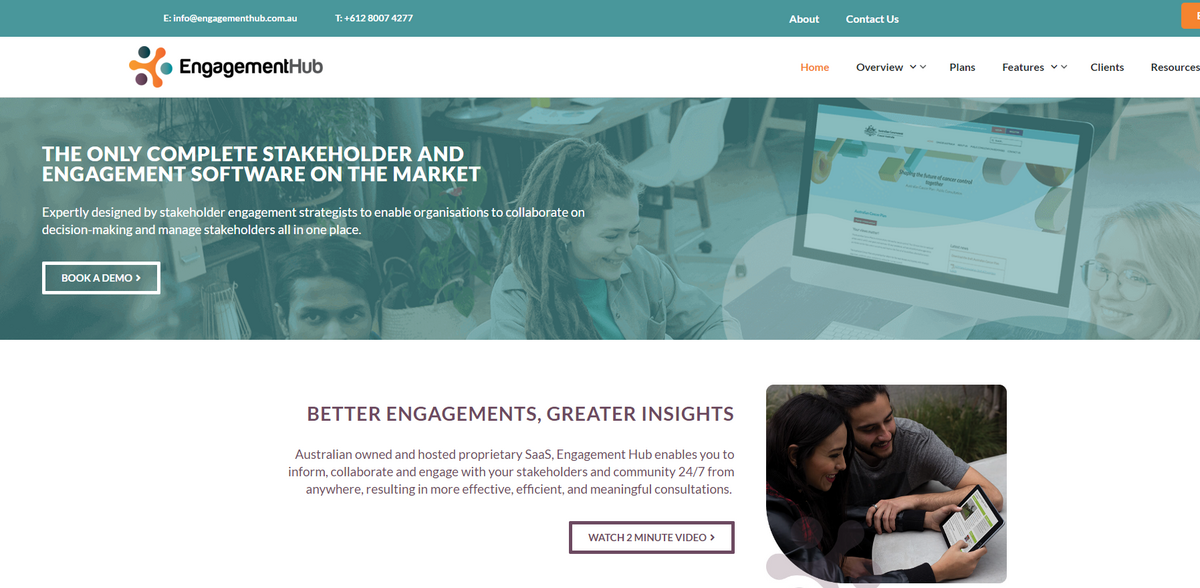
Engagement Hub: A Comprehensive Community Engagement Platform
Engagement Hub is a multi award-winning platform designed for effective community engagement. It integrates offline and online interactions, providing customizable tools for stakeholders. With a focus on security and user-friendliness, it empowers organizations to manage their engagement initiatives efficiently. The platform’s robust reporting capabilities and commitment to sustainability make it a trusted choice for governments…
-
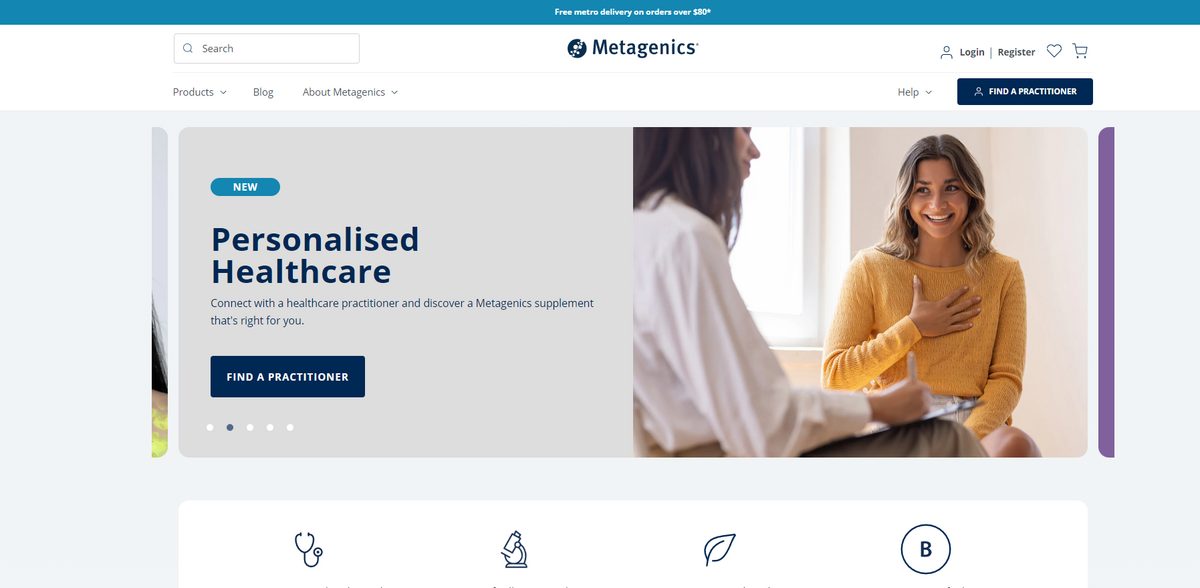
Metagenics: Enhancing Health Through Practitioner-Formulated Supplements
Metagenics is dedicated to improving health through scientifically formulated supplements. With over 40 years of experience, they focus on whole-body health and sustainability. Their partnerships with healthcare professionals ensure effective solutions tailored to individual needs. Metagenics emphasizes quality, sourcing natural ingredients, and maintaining ethical practices, making them a trusted choice for health-conscious consumers.
Find SDG 17 Projects in your country! Where are you located?
agency Agriculture & Food Argentina Arts & Culture Australia Austria Belgium Brazil Canada Conservation & Biodiversity Construction & Infrastructure Education Energy Fashion Finance food France Health & Well-being housing Mobility & Transport Netherlands Packaging SDG 1 SDG 2 SDG 3 SDG 4 SDG 5 SDG 7 SDG 8 SDG 9 SDG 10 SDG 11 Services & Consultancy Solar energy Spain Switzerland Technology Tourism UK United Kingdom United States Waste & Recycling water Water management zero waste
FAQ on SDG 17: Partnerships for the Goals (Agenda 2030)
1. What is SDG 17?
SDG 17: Partnerships for the Goals is the seventeenth goal of the United Nations’ Sustainable Development Goals (SDGs) under Agenda 2030. It focuses on strengthening partnerships between governments, the private sector, and civil society to mobilize resources, share knowledge, and collaborate for achieving the SDGs.
2. Why is SDG 17 important?
SDG 17 emphasizes global collaboration for sustainable development. It is critical because no single entity or nation can achieve the SDGs alone. By creating global partnerships, we can pool resources, share expertise, and work together towards common objectives.
3. What are the key targets of SDG 17?
Key targets include:
- 17.1: Strengthen domestic resource mobilization to improve public finance.
- 17.2: Ensure developed countries meet the target of 0.7% of GNI in official development assistance.
- 17.3: Mobilize additional financial resources for developing countries.
- 17.6: Enhance the global partnership for technology transfer.
- 17.8: Increase the accessibility of information and communications technology for all.
4. How does SDG 17 relate to Agenda 2030?
SDG 17 is the foundation that supports all the other SDGs. It calls for collaborative action to ensure global solidarity, financial resources, and knowledge exchange for the successful implementation of the entire Agenda 2030.
5. What are the biggest challenges to achieving SDG 17?
Some key challenges include:
- Limited financial resources in developing countries.
- Political instability that hinders international cooperation.
- Inequitable access to technology between developed and developing nations.
- Lack of capacity-building efforts for local communities to engage in the process.
6. How can governments help achieve SDG 17?
Governments can:
- Increase financial contributions to development assistance.
- Foster international cooperation through policy and diplomatic efforts.
- Support technology transfer and capacity-building programs.
- Engage with the private sector to encourage investment in sustainable development.
7. What role do businesses play in SDG 17?
Businesses can:
- Invest in sustainable development initiatives.
- Collaborate with governments and NGOs on global development projects.
- Share technology, innovation, and resources with developing nations.
- Promote corporate social responsibility by supporting partnerships for the SDGs.
8. How can individuals contribute to SDG 17?
Individuals can:
- Support initiatives that promote global collaboration for the SDGs.
- Advocate for partnerships between governments, businesses, and civil society.
- Donate to development organizations and contribute to knowledge-sharing.
- Participate in global movements for sustainability and equity.
9. How is progress on SDG 17 measured?
The UN tracks SDG 17 through indicators such as:
- Official development assistance from developed countries.
- Foreign direct investment (FDI) to developing countries.
- Technology transfer and capacity-building initiatives.
- Global trade flows that contribute to sustainable development.
10. Can SDG 17 be achieved by 2030?
Yes, with strong global cooperation, financial investment, and commitment from all sectors (governments, businesses, and civil society), SDG 17 can help ensure a more sustainable, equitable world by 2030. However, challenges like geopolitical tensions, financial inequality, and global health crises need to be addressed for success.
Discover other Sustainable Development Goals (SDG) Initiatives :
- SDG 1: No Poverty – End poverty in all its forms everywhere.
- SDG 2: Zero Hunger – End hunger, achieve food security, improve nutrition, and promote sustainable agriculture.
- SDG 3: Good Health and Well-being – Ensure healthy lives and promote well-being for all at all ages.
- SDG 4: Quality Education – Ensure inclusive and equitable quality education and promote lifelong learning opportunities for all.
- SDG 5: Gender Equality – Achieve gender equality and empower all women and girls.
- SDG 6: Clean Water and Sanitation – Ensure availability and sustainable management of water and sanitation for all.
- SDG 7: Affordable and Clean Energy – Ensure access to affordable, reliable, sustainable, and modern energy for all.
- SDG 8: Decent Work and Economic Growth – Promote sustained, inclusive, and sustainable economic growth, full and productive employment, and decent work for all.
- SDG 9: Industry, Innovation, and Infrastructure – Build resilient infrastructure, promote inclusive and sustainable industrialization, and foster innovation.
- SDG 10: Reduced Inequalities – Reduce inequality within and among countries.
- SDG 11: Sustainable Cities and Communities – Make cities and human settlements inclusive, safe, resilient, and sustainable.
- SDG 12: Responsible Consumption and Production – Ensure sustainable consumption and production patterns.
- SDG 13: Climate Action – Take urgent action to combat climate change and its impacts.
- SDG 14: Life Below Water – Conserve and sustainably use the oceans, seas, and marine resources.
- SDG 15: Life on Land – Protect, restore, and promote sustainable use of terrestrial ecosystems, forests, and biodiversity.
- SDG 16: Peace, Justice, and Strong Institutions – Promote peaceful and inclusive societies, provide access to justice, and build effective institutions.
- SDG 17: Partnerships for the Goals – Strengthen the means of implementation and revitalize the global partnership for sustainable development.