
SDG 12: Responsible Consumption and Production
Sustainable Development Goal 12 (SDG 12), part of the United Nations’ Agenda 2030, focuses on ensuring sustainable consumption and production patterns. It encourages individuals, businesses, and governments to reduce waste, use resources efficiently, and promote responsible consumption to protect the planet’s ecosystems and resources for future generations.
The world’s growing population and consumption patterns put significant pressure on the planet’s resources. Achieving SDG 12 ensures:
✅ Efficient use of natural resources
✅ Reduction in waste and pollution
✅ Sustainable production processes
✅ Circular economy practices that minimize waste
How Can We Achieve SDG 12?
Governments, businesses, and individuals must work together to:
♻️ Promote recycling and circular economy practices
♻️ Support sustainable production methods
♻️ Encourage responsible consumer choices
♻️ Implement policies that reduce waste and environmental impact

Innovative Solutions for SDG 12: Companies & Initiatives Driving Responsible Consumption
Achieving SDG 12: Responsible Consumption and Production requires global collaboration, innovation in production, and a strong push for circular economy solutions. From sustainable product design to waste reduction strategies and responsible supply chains, these efforts are working to minimize environmental harm and maximize resource efficiency.
Below, we highlight some of the most innovative companies and initiatives leading the charge for responsible consumption and production in the quest to build a more sustainable world.
👉 Explore the list and contribute to a cleaner, greener planet! 🌍♻️
10 projects in Argentina contributing to SDG 12
-
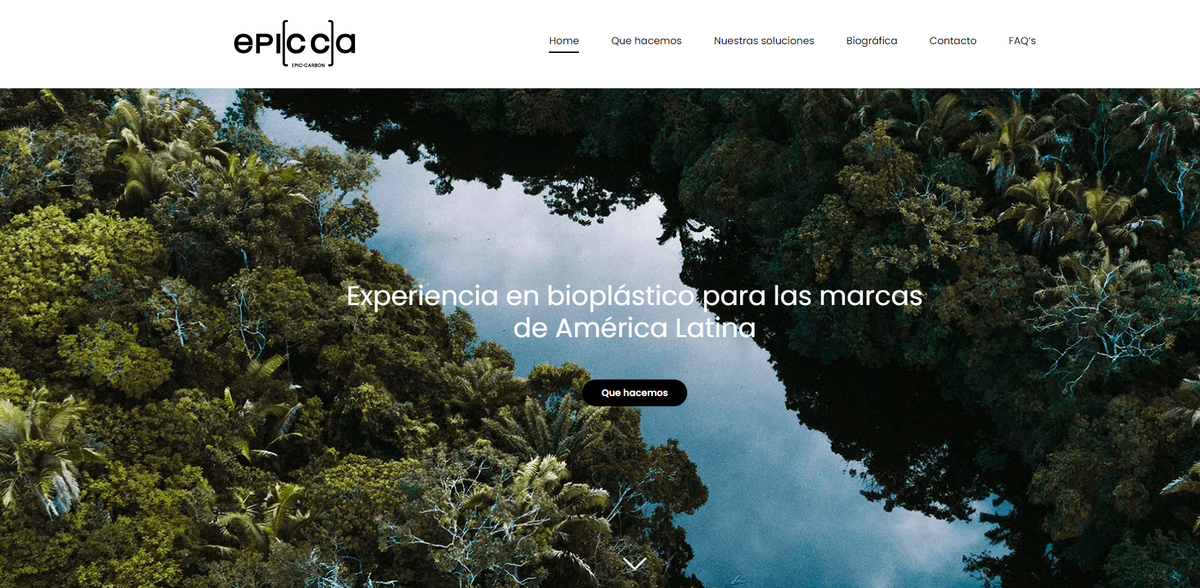
Biografica: Eco-Friendly Bioplastics for Sustainable Printing Solutions
Biografica is leading the way in sustainable printing solutions with its compostable graphics project. By utilizing bioplastics made from renewable resources, the company provides an eco-friendly alternative to conventional plastics, ensuring performance without compromising the environment. This initiative not only supports health and safety but also aligns with global sustainability goals, making it a vital…
-
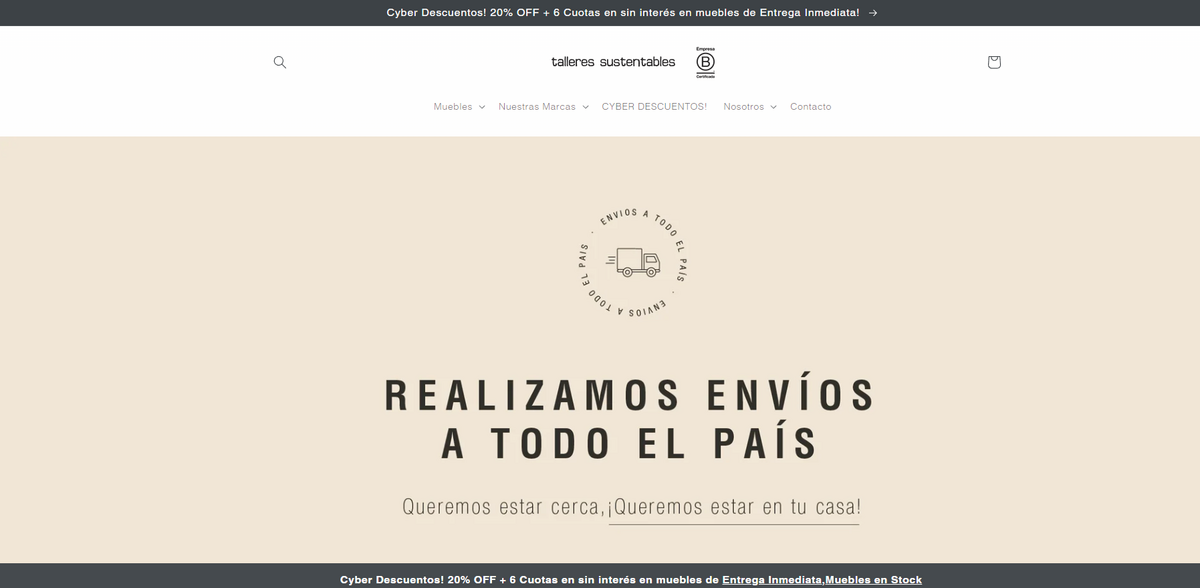
Minima Huella: Sustainable Furniture Crafted in Argentina
Minima Huella offers a unique selection of sustainable furniture designed and crafted in Argentina. With a focus on quality and immediate delivery, their pieces reflect a commitment to environmental care and local craftsmanship. Enjoy up to 50% OFF on select items while supporting a sustainable future.
-
VCE International: Enhancing Global Education Through Cultural Exchange
VCE International has been a trusted name in international education since 1993, offering enriching cultural experiences and high-quality language courses. With over 30 cultural trips and more than 1,000 students engaged, VCE International tailors programs to meet individual needs, ensuring immersive learning experiences. Certified as a B Corporation, the organization is committed to sustainability and…

-
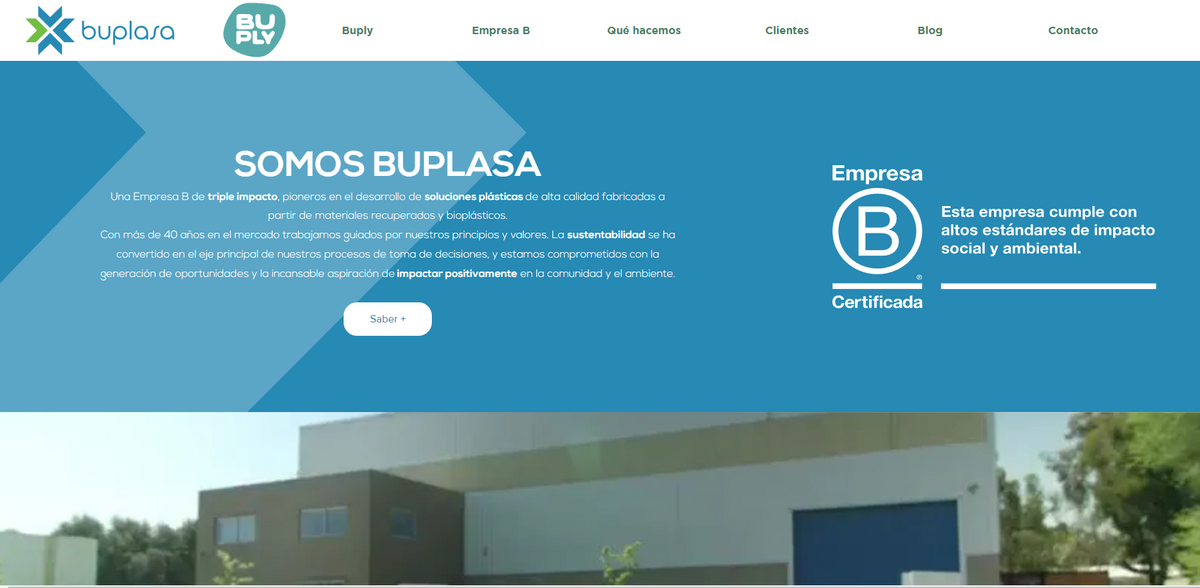
BUPLASA: High-Quality Plastic Solutions from Recovered Materials
BUPLASA specializes in creating high-quality plastic solutions from recovered materials and bioplastics. With a strong commitment to sustainability, the company merges functionality with environmental care, ensuring a positive impact on communities and the planet. Their innovative practices and partnerships reflect a dedication to responsible consumption and production, making them a leader in the industry.
-
Explora: Immersive Luxury Travel Experiences in South America
Explora offers immersive travel experiences across luxury lodges in South America, blending adventure with conservation and authentic local culture. With over 25 years of expertise, each journey promises a unique connection to nature and heritage, redefining luxury in tourism.

-
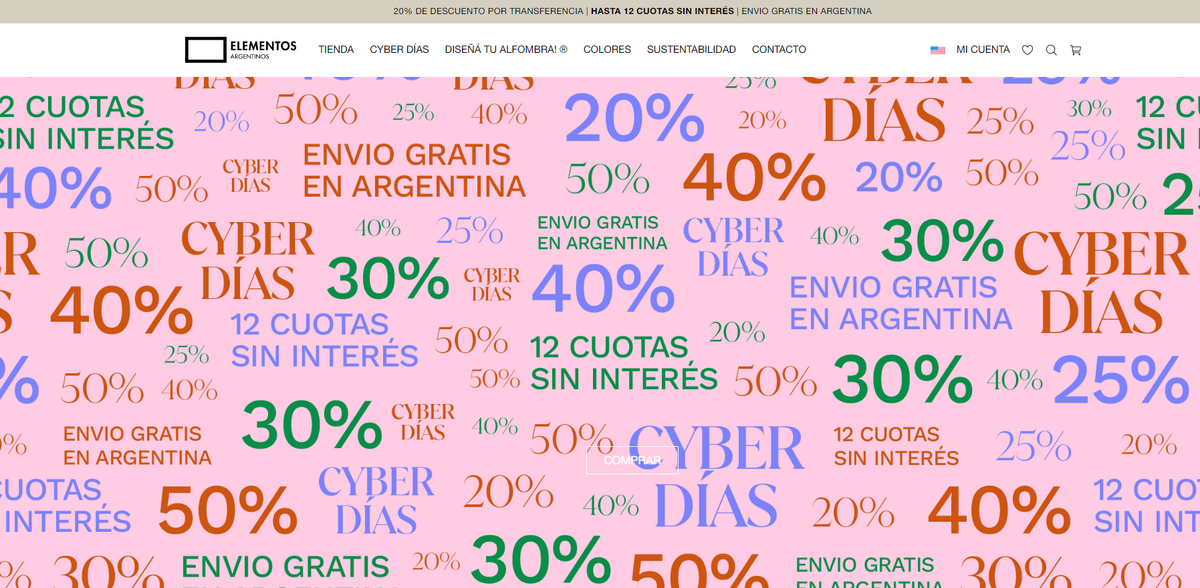
Elementos Argentinos: Authentic Handmade Rugs with Sustainable Craftsmanship
Elementos Argentinos offers a unique online shopping experience for handmade rugs, emphasizing sustainability and traditional craftsmanship. With a focus on quality and customization, each rug reflects the heritage of Argentine artisans. Enjoy exclusive discounts and free shipping across Argentina.
-
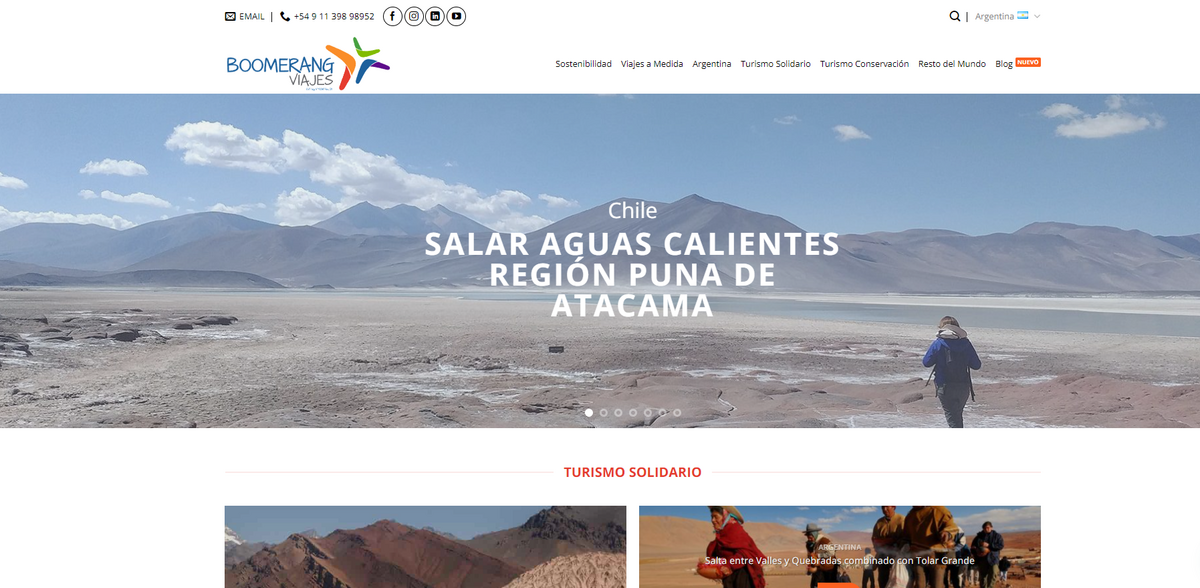
Boomerang Viajes: A Travel Agency Committed to Sustainable Tourism
Boomerang Viajes is a travel agency focused on sustainable tourism, offering unique travel experiences that promote community engagement and environmental stewardship. Since 2001, they have been dedicated to creating meaningful connections between travelers and local cultures, ensuring that tourism benefits everyone involved. Their travel packages are designed to immerse travelers in local lifestyles while preserving…
-
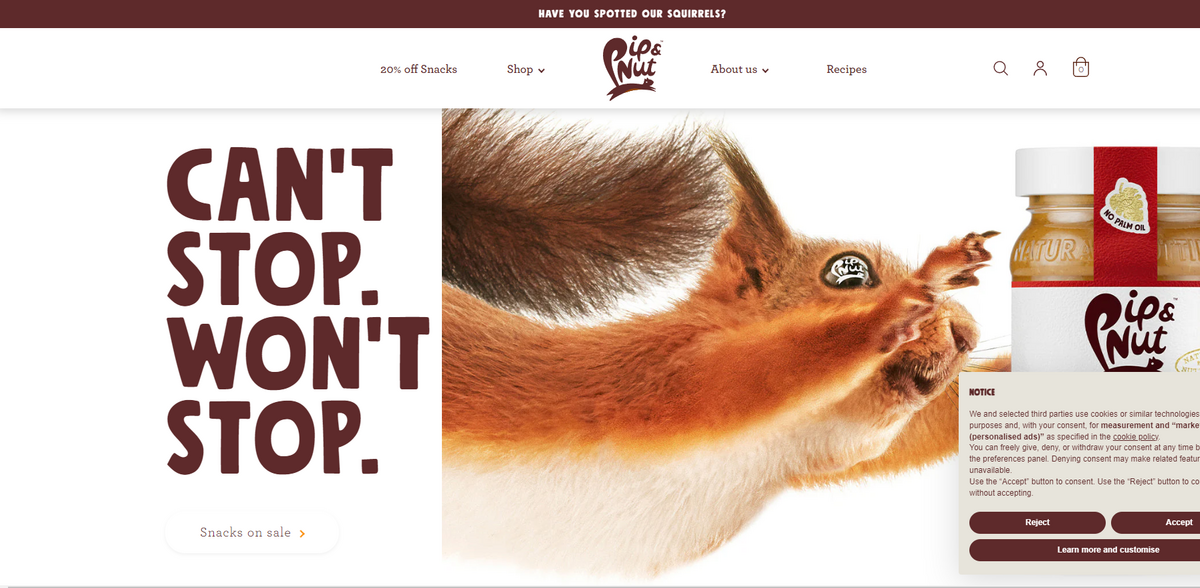
Nutty Delights: Quality Nut Butters and Spreads from Belgium
Nutty Delights offers a diverse range of natural nut butters and spreads, including the exciting Chocolate Hazelnut Spread. With a commitment to quality ingredients and ethical sourcing, the brand is making waves in the food industry. Their products, available in Belgium, celebrate flavor and sustainability, appealing to health-conscious consumers. Each jar tells a story of…
-
Frisbi: Influencer Marketing That Drives Authentic Engagement
Frisbi is an innovative influencer marketing agency that connects brands with influencers to create authentic and impactful campaigns. By leveraging machine learning and focusing on genuine relationships, Frisbi ensures that every campaign resonates with audiences while promoting sustainability. With a strong presence across multiple markets, Frisbi is redefining how brands engage with consumers through real…
-
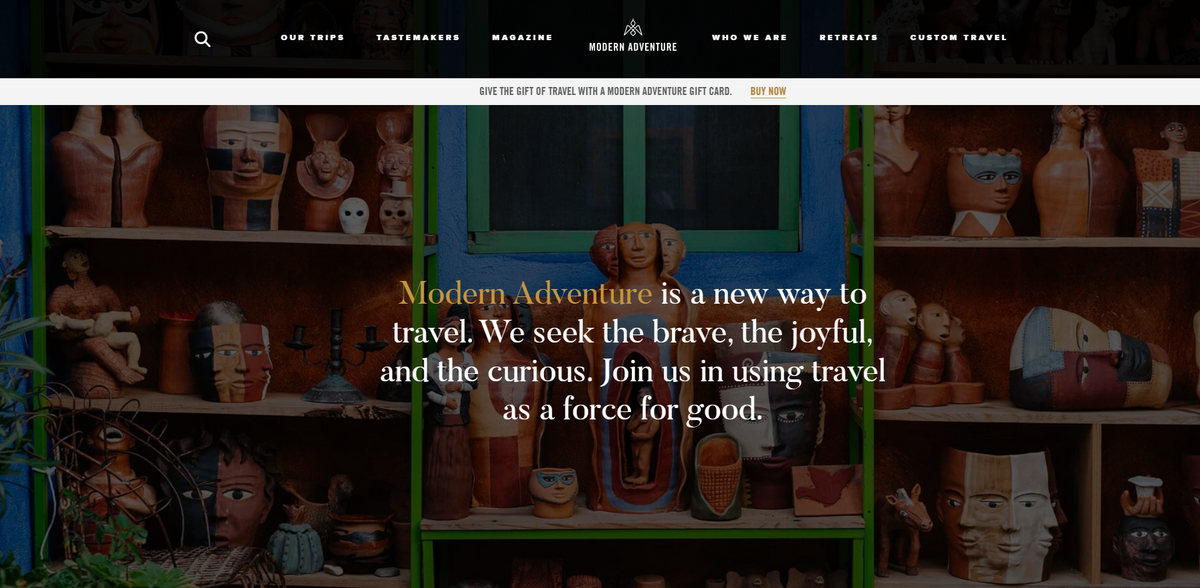
Modern Adventure: Transforming Travel into Meaningful Experiences
Modern Adventure is redefining the travel experience by focusing on meaningful journeys that connect travelers with cultures and communities. With a commitment to sustainability and ethical practices, this project offers curated itineraries that not only explore stunning destinations but also contribute positively to the world. From immersive tours in Argentina to culinary adventures in Japan,…
Find SDG 12 Projects in your country! Where are you located?
agency Agriculture & Food Argentina Arts & Culture Australia Austria Belgium Brazil Canada Conservation & Biodiversity Construction & Infrastructure Education Energy Fashion Finance food France Health & Well-being housing Mobility & Transport Netherlands Packaging SDG 1 SDG 2 SDG 3 SDG 4 SDG 5 SDG 7 SDG 8 SDG 9 SDG 10 SDG 11 Services & Consultancy Solar energy Spain Switzerland Technology Tourism UK United Kingdom United States Waste & Recycling water Water management zero waste
FAQ on SDG 12: Responsible Consumption and Production (Agenda 2030)
1. What is SDG 12?
SDG 12: Responsible Consumption and Production is the twelfth goal of the United Nations’ Sustainable Development Goals (SDGs). It aims to promote sustainable practices in both consumption and production to reduce waste, conserve resources, and protect the environment.
2. Why is SDG 12 important?
Our current consumption and production patterns are leading to environmental degradation, resource depletion, and pollution. SDG 12 aims to establish more sustainable practices to ensure that we do not overburden the planet’s resources, ensuring long-term environmental and economic stability.
3. What are the key targets of SDG 12?
Some major targets include:
- 12.1: Implement the 10-Year Framework of Programmes on sustainable consumption and production.
- 12.3: Halve per capita global food waste at the retail and consumer levels.
- 12.5: Substantially reduce waste generation through prevention, reduction, recycling, and reuse.
- 12.6: Encourage companies to adopt sustainable practices and integrate sustainability information into their reporting.
- 12.8: Ensure people have the relevant information and awareness for sustainable development and lifestyles in harmony with nature.
4. How does SDG 12 relate to Agenda 2030?
SDG 12 plays a crucial role in achieving the broader Agenda 2030 by promoting responsible and sustainable behavior across industries and societies. It is closely linked to SDG 13 (Climate Action), SDG 14 (Life Below Water), and SDG 15 (Life on Land), all of which focus on reducing human impact on the environment.
5. What are the biggest challenges to achieving SDG 12?
Some key challenges include:
- Overconsumption and waste generation across industries.
- Unsustainable agricultural practices that contribute to deforestation and resource depletion.
- Lack of awareness about sustainable practices among consumers and producers.
- Resistance to change from companies prioritizing short-term profits over long-term sustainability.
6. How can governments help achieve SDG 12?
Governments can:
- Implement policies that incentivize sustainable production and consumption.
- Enforce regulations on waste reduction and resource management.
- Provide subsidies and tax breaks for sustainable industries.
- Promote awareness campaigns to educate the public about sustainable consumption.
7. What role do businesses play in SDG 12?
Businesses can:
- Adopt sustainable production methods that minimize waste and use fewer resources.
- Develop circular products that can be reused or recycled, reducing waste.
- Promote transparency in supply chains and communicate sustainability efforts to consumers.
- Encourage responsible consumption through product design and consumer education.
8. How can individuals contribute to SDG 12?
Individuals can:
- Make sustainable consumption choices, such as buying eco-friendly products and reducing food waste.
- Support businesses that prioritize sustainability in their operations.
- Reduce personal waste through recycling and reusing products.
- Advocate for sustainable policies and educate others about the importance of responsible consumption.
9. How is progress on SDG 12 measured?
Progress is tracked using indicators such as:
- Resource efficiency in production.
- Reduction in waste generation and increase in recycling rates.
- Sustainable practices adopted by companies.
- Global reduction in food waste and consumer-level waste.
10. Can SDG 12 be achieved by 2030?
While progress is being made, significant transformation in consumption and production practices is required. Achieving SDG 12 by 2030 depends on collective global action, innovative business models, and changes in consumer behavior.
Discover other Sustainable Development Goals (SDG) Initiatives :
- SDG 1: No Poverty – End poverty in all its forms everywhere.
- SDG 2: Zero Hunger – End hunger, achieve food security, improve nutrition, and promote sustainable agriculture.
- SDG 3: Good Health and Well-being – Ensure healthy lives and promote well-being for all at all ages.
- SDG 4: Quality Education – Ensure inclusive and equitable quality education and promote lifelong learning opportunities for all.
- SDG 5: Gender Equality – Achieve gender equality and empower all women and girls.
- SDG 6: Clean Water and Sanitation – Ensure availability and sustainable management of water and sanitation for all.
- SDG 7: Affordable and Clean Energy – Ensure access to affordable, reliable, sustainable, and modern energy for all.
- SDG 8: Decent Work and Economic Growth – Promote sustained, inclusive, and sustainable economic growth, full and productive employment, and decent work for all.
- SDG 9: Industry, Innovation, and Infrastructure – Build resilient infrastructure, promote inclusive and sustainable industrialization, and foster innovation.
- SDG 10: Reduced Inequalities – Reduce inequality within and among countries.
- SDG 11: Sustainable Cities and Communities – Make cities and human settlements inclusive, safe, resilient, and sustainable.
- SDG 12: Responsible Consumption and Production – Ensure sustainable consumption and production patterns.
- SDG 13: Climate Action – Take urgent action to combat climate change and its impacts.
- SDG 14: Life Below Water – Conserve and sustainably use the oceans, seas, and marine resources.
- SDG 15: Life on Land – Protect, restore, and promote sustainable use of terrestrial ecosystems, forests, and biodiversity.
- SDG 16: Peace, Justice, and Strong Institutions – Promote peaceful and inclusive societies, provide access to justice, and build effective institutions.
- SDG 17: Partnerships for the Goals – Strengthen the means of implementation and revitalize the global partnership for sustainable development.