What is The Ocean Cleanup Project
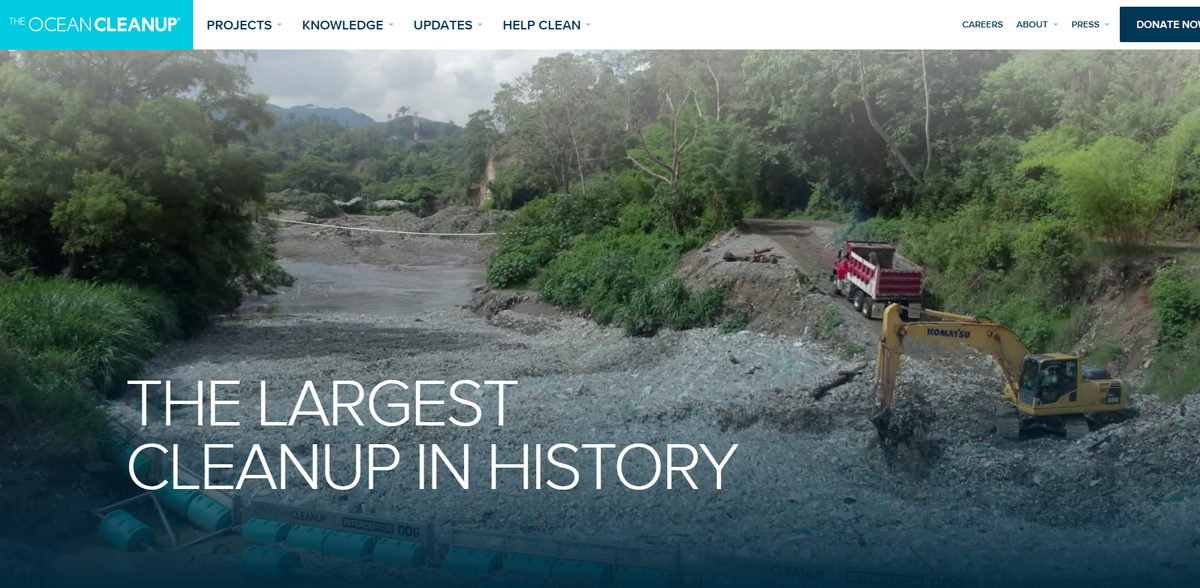
The Ocean Cleanup is cleaning the Great Pacific Garbage Patch, an accumulation zone with over 100,000,000 kilograms of floating plastic. This ambitious project is a bold idea to confront the significant challenge of restoring our ocean ecosystem. With over ten years of research, engineering development, and on-the-ground extractions, the project pursues an opportunity to profoundly impact our environment by removing plastic waste from our oceans. … The technology involved is advanced and designed to capture plastics ranging from tiny millimeter-sized pieces to enormous discarded fishing nets, including ghost nets. This project is not only about cleaning up legacy pollution from garbage patches and coastal ecosystems but also about preventing plastic from entering waterways, in an effort to foster a cleaner, healthier ocean for marine wildlife, the food chain, and overall community health.
Main Benefit
The benefits of The Ocean Cleanup are clear and far-reaching. Key figures and facts that underscore the impact include:
- Over 100,000,000 kilograms of floating plastic in the Great Pacific Garbage Patch.
- The first-ever organization to remove plastic pollution from the GPGP – and it remains the only one to do so till now.
- Hundreds of tons of trash, mostly plastic from fishing gear, have been removed since the inaugural capture in 2019.
- Deployment of advanced cleaning technologies around the world, including the innovative multi-level-trawl which measures 11 water layers simultaneously, reaching depths of up to five meters below sea level.
- A major contribution to advocating for stronger international plastic regulations and a Global Plastics Treaty.
Advanced Cleaning Technologies
The innovative approach of The Ocean Cleanup includes deploying systems that have been proven effective over time. By combining fleets of systems in every ocean gyre with the prevention of inflow sources, the project is designed to capture plastics as small as a few millimeters, and as large as immense fishing nets. The design makes use of cutting-edge innovation where buoyant plastic is observed to float primarily in the first few meters of the water. This system was refined through extensive testing including the three-month Mega Expedition in 2015, where 30 vessels and 652 surface nets were used to conduct parallel crossovers of the garbage patch. The research output was staggering – over 1.2 million plastic samples were collected to measure and analyse floating plastics, ensuring every removal mission contributes to a deeper understanding of the crisis.
Comprehensive Research Efforts
The Ocean Cleanup has dedicated years to rigorous research and monitoring efforts. Continuous extraction and analysis have highlighted that trillions of pieces of plastic currently pollute the oceans. The organization’s research shows that plastics persist for many decades and, as they degrade, form microplastics that can enter the human food chain. Additionally, their detailed studies with innovative tools such as the multi-level-trawl have provided valuable insights into the distribution of plastic—affirming that the majority of buoyant plastic remains in the initial layers of the water. These efforts not only validate the effectiveness of the deployed systems but also pave the way for future improvements in technology aimed at combating ocean plastic pollution.
Global Initiatives and Partnerships
The project collaborates with a diverse range of partners including corporations, scientists, governments, and international organizations. Such strategic partnerships help drive this massive cleanup mission, enabling progress on multiple fronts. Collaborative initiatives are complemented by public affairs efforts, actively supporting global events to promote enhanced international plastic regulations. The integration of research, engineering, and policy advocacy creates a multi-pronged approach that is both dynamic and adaptive. This level of coordinated effort serves as a clear testament to the global community’s commitment to tackling plastic pollution in our oceans.
Project Impact on SDGs
- SDG 14: Life Below Water – Protecting marine ecosystems by drastically reducing floating plastic waste.
- SDG 12: Responsible Consumption and Production – Encouraging sustainable practices in plastic use and disposal.
- SDG 3: Good Health and Well-Being – Enhancing community health by reducing the plastic-contaminated food chain.
- SDG 17: Partnerships for the Goals – Fostering international collaboration to achieve significant environmental impact.
Looking Forward
The Ocean Cleanup strives to remove 90% of floating ocean plastic pollution by 2040. The mission continues to expand globally, with cleaning technologies now deployed in every ocean gyre, while simultaneously working on inflow source prevention. Beyond technological achievements, the project fuels a global conversation about plastic waste—reminding everyone that plastic pollution is a challenge that can be tackled together. Every donation, collaboration, or effort to stay informed contributes to a monumental change in ocean health and wildlife preservation. The dynamic and persistent approach to both cleaning legacy pollution and preventing future contamination highlights a forward-thinking strategy that inspires not just environmental enthusiasts but also policy makers and communities around the world. Moments of enthusiastic collaboration, innovative breakthroughs, and critical regulatory advocacy ensure that progress is continuously made. The Ocean Cleanup’s work is a clear signal that with passion, consistent research, and a globally united approach, the future of our oceans can indeed be transformed.
What The Ocean Cleanup actually does
The Ocean Cleanup, founded in 2013 by Boyan Slat and headquartered in Rotterdam, develops and operates ocean and river plastic-removal systems, with a stated goal of removing 90% of floating ocean plastic by 2040.
Where the technology is deployed
- Ocean systems: from System 001 (2018) through the current System 03, nearly three times larger than its predecessor
- River Interceptors: 20 Interceptors deployed across 9 countries as of May 2025, targeting the rivers responsible for most ocean-bound plastic
- Research output: over 100 scientific publications produced by its team
Proof, not just claims
Global Mission Partners include Kia, Deloitte, Société Générale Corporate Foundation and the Government of the Netherlands.
Trusted by
DeloitteGlobal Mission Partner
Government of the NetherlandsGlobal Mission Partner
JP MorganMission Partner
Why this belongs on a sustainability directory
The Ocean Cleanup’s 50 million kilograms of removed trash and 20 river Interceptors across 9 countries are measured, published operational results, not projections, making this one of the most directly verifiable SDG 14 (Life Below Water) cases in the directory.
Frequently asked questions
Where is The Ocean Cleanup based, and who supports it?
The Ocean Cleanup is headquartered in Rotterdam, Netherlands, founded in 2013 by Boyan Slat, and is backed by Global Mission Partners including Kia, Deloitte and the Government of the Netherlands.
Which SDG does The Ocean Cleanup support, and how?
SDG 14 (Life Below Water), through ocean plastic-removal systems and river Interceptors that have removed 50 million kilograms of trash to date, with a goal of removing 90% of floating ocean plastic by 2040.
How is The Ocean Cleanup verified as a sustainability project?
The Ocean Cleanup publishes its own milestone data (trash removed, Interceptor deployments) and has produced over 100 scientific publications documenting its methods and results.
Looking for similar life below water projects?
See SDG 14 projects on Keys for Tomorrow.