What is the Flow Hive Project?
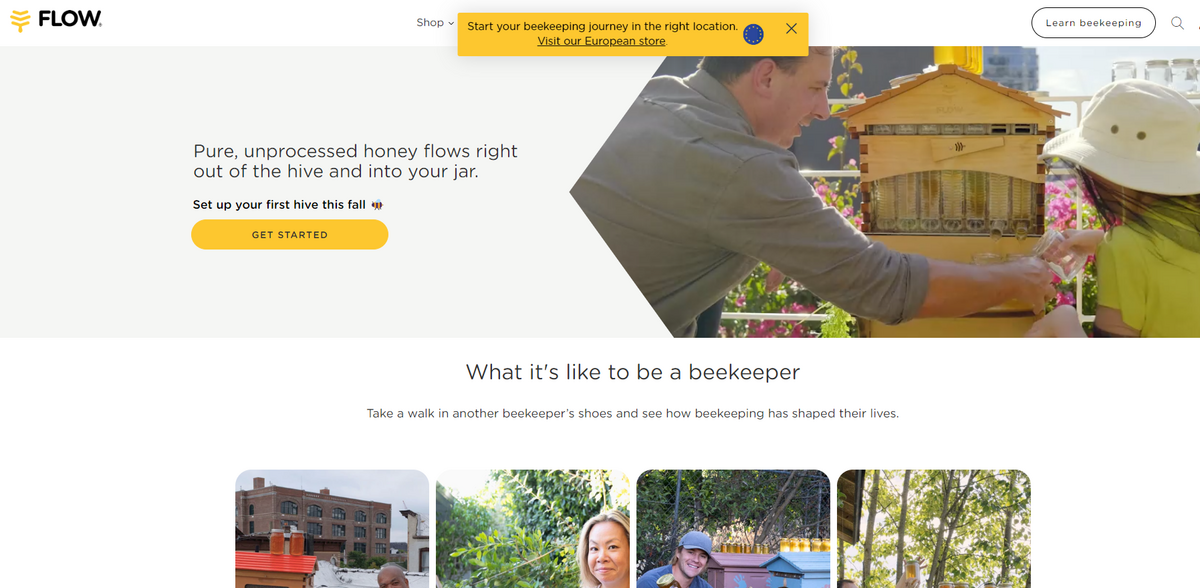
Flow Hive is a revolutionary beehive invention that has changed the way honey is harvested. With 67,000 Flow Hives sold across the USA, this agricultural support and post-harvest innovation has made backyard beekeeping a breeze. Introduced in 2015, the Flow Hive project uses a groundbreaking Flow Frame invention that lets beekeepers tap honey straight into their jar without opening the hive. The system is designed to reduce heavy lifting and eliminate messy, sticky work. Operating across all climates, this method not only revolutionizes beekeeping but also supports sustainable practices with a verified B Corp score of 111.8.
Main Benefits and Key Facts
The key figures behind Flow Hive underscore its appeal and practicality. Notable highlights include:
- 67,000 Flow Hives sold across the USA
- Works in all climates
- Incredible tasting honey
- Ships from Illinois
- Deluxe beekeeping starter kit available from $1,017
This impressive list of benefits has helped Flow Hive earn a reputation for being both innovative and accessible, catering to beekeepers of all experience levels.
Revolutionary Innovation in Beekeeping
The ingenuity of Flow Hive lies in its Flow Frame invention, which allows honey to be harvested directly from the hive. This means beekeepers no longer need expensive processing equipment or endure hours of tedious, hot, sticky work. Instead, pure, fresh honey flows straight from the hive into the jar – no fuss, no mess… and minimal disturbance to the bees. This inventive approach to harvesting highlights the project’s core commitment to making beekeeping less labor-intensive and more enjoyable. The design truly disrupts the traditional methods, inviting both veteran beekeepers and new enthusiasts to experience a practical, cleaner process.
Support for Newbees and Education
For those who are new to beekeeping, also known as “newbees,” the Flow Hive project offers a Deluxe Bundle that includes a complete starter kit. This kit is designed to ensure that first-timers have everything needed to embark on an exciting beekeeping journey. In addition to high-quality equipment, there is an extensive suite of free educational resources as well as TheBeekeeper.org – an online learning platform where 50% of profits are used to protect pollinator habitat worldwide. This commitment to education ensures that future beekeepers can learn at their own pace, growing their confidence and skills while also contributing to the nurturing of local ecosystems.
Community and Environmental Impact
Flow Hive is more than just an innovation in hardware; it makes a significant impact in communities and the environment. The beehive is used in backyards, gardens, rooftops, and balconies across over 130 countries. Its design is not only about harvesting honey but also about supporting local pollinators and promoting pollination that benefits the surrounding flora. This eco-friendly approach is backed by practices such as sourcing ethically derived materials and running the production facility on 100% solar power. The project also benefits from the creative vision of pioneers like Cedar Anderson and Stuart Anderson, alongside the inspiring spirit of beeinventive minds. With such a wide reach, Flow Hive is establishing a legacy of sustainable and community-focused beekeeping.
Project Impact and SDGs
- SDG 7: Affordable and Clean Energy – powering operations with 100% solar energy
- SDG 12: Responsible Consumption and Production – ethical sourcing of materials
- SDG 13: Climate Action – regenerative beekeeping practices reducing environmental impact
- SDG 15: Life on Land – protecting pollinator habitats and supporting biodiversity
- SDG 17: Partnerships for the Goals – empowering communities through global beekeeping networks
Future of Beekeeping and Local Communities
The Flow Hive project continues to pave the way for future innovations in beekeeping, sparking a renewed interest among local communities and individual enthusiasts. It is fascinating to see how a simple yet ingenious design has encouraged many to embrace sustainable practices at home. This dynamic approach not only makes harvesting honey stress-free but also cultivates a sense of responsibility toward local ecosystems. Beekeeping has never been more accessible – with streamlined processes and an engaging support system for newbees, those starting out can feel empowered and connected to their environment. As it is often said around beehives, “If we look after the bees, the bees will look after us, and the honey really is a sweet bonus!” This forward-thinking project, leveraging terms like Flow, Flow Hive, Beeinventive, flow, flow hive, flowhive, bees, beekeeping, pollinators, pollination, and innovation, sets the stage for a future where local communities thrive in harmony with nature.
What Flow Hive actually does
Flow Hive, invented by father-son beekeepers Stuart and Cedar Anderson near Byron Bay, Australia, redesigned the beehive with a vertical-splitting hexagonal cell system that lets beekeepers harvest honey directly from the hive without opening it or disturbing the colony.
“There has to be a better way.”
Cedar Anderson, Co-inventor, Flow Hive
Where the design shows up
- Reduced hive disturbance: honey harvested on tap rather than by fully opening the hive
- Global reach: the product is now used in over 130 countries
- Solar-powered manufacturing: the Flow Hive factory runs on 100% solar power
Proof, not just claims
Flow Hive has directed more than AU$1 million toward pollinator habitat protection.
Why this belongs on a sustainability directory
By reducing hive disturbance during harvest, Flow Hive supports healthier bee colonies and, by extension, pollination, a direct SDG 15 (Life on Land) case, reinforced by over AU$1 million directed to pollinator habitat protection and a solar-powered manufacturing facility.
Frequently asked questions
Who invented Flow Hive, and who uses it?
Flow Hive was invented by father-son beekeepers Stuart and Cedar Anderson near Byron Bay, Australia, and is used by beekeepers in over 130 countries.
Which SDG does Flow Hive support, and how?
SDG 15 (Life on Land), by reducing hive disturbance for healthier bee colonies and directing over AU$1 million to pollinator habitat protection.
How is Flow Hive verified as a sustainability project?
Flow Hive is B Corp certified (since 2018) and its manufacturing facility runs on 100% solar power.
Looking for similar agriculture and food projects?
See Agriculture & Food projects on Keys for Tomorrow.